Francesc Fajula, executive director of the promoting consortium, advocated for the bid during an event at Foment del Treball. He highlighted that energy consumption, considered the "main limitation", will be met with renewable energy "wherever possible". He also assured that water consumption will be "practically zero" due to closed-loop systems.
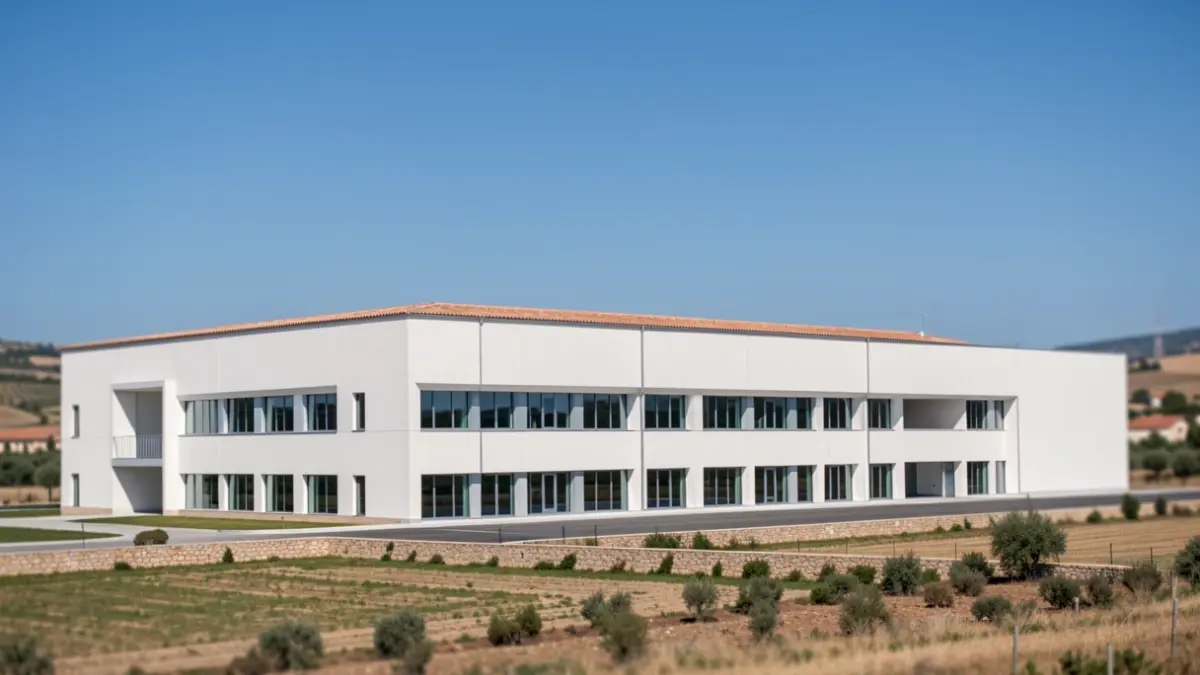
The project includes two major data center campuses: one in Móra la Nova, at the Molló industrial estate, and another in Madrid. The location in the Spanish capital is still being determined, with potential sites such as Sant Fernando de Henares or Tres Cantos, responding to the need for sufficient computing capacity to meet the European call's requirements within the established deadline. The proposal also involves a presence in Portugal and collaboration with the innovation ecosystem.
The initial budget is 1.5 billion euros, with a total investment that could reach 5 billion euros over the next four to five years. A "significant portion" of this investment will be allocated to the Móra la Nova data center, considered the primary site for the Spanish candidacy before the European Commission.
The official candidacy must be submitted before November 12th. The European Commission is expected to announce its decision in early 2027. If the Spanish-led candidacy wins, the AI gigafactory planned for Móra la Nova could become operational by the end of 2028. Fajula stated that the project will proceed even if they do not win the call, albeit with "a different ambition".
One of the project's key strategic objectives is to achieve technological sovereignty, reducing Europe's reliance on non-EU suppliers for both hardware and software. The gigafactory aims to foster a domestic AI industry in Spain and across Europe, anticipating that demand, currently dominated by large hyperscalers, will expand to companies in all sectors, particularly SMEs.