In her address, Terrades underscored the strength of Catalonia's health ecosystem, integrating public research and private innovation. She reviewed the sector's evolution, which accounts for 7.6% of Catalonia's GDP, with nearly a hundred research institutions and over 1,500 companies that generated 48.691 billion euros in revenue in 2025, according to data from the BioRegion Report.
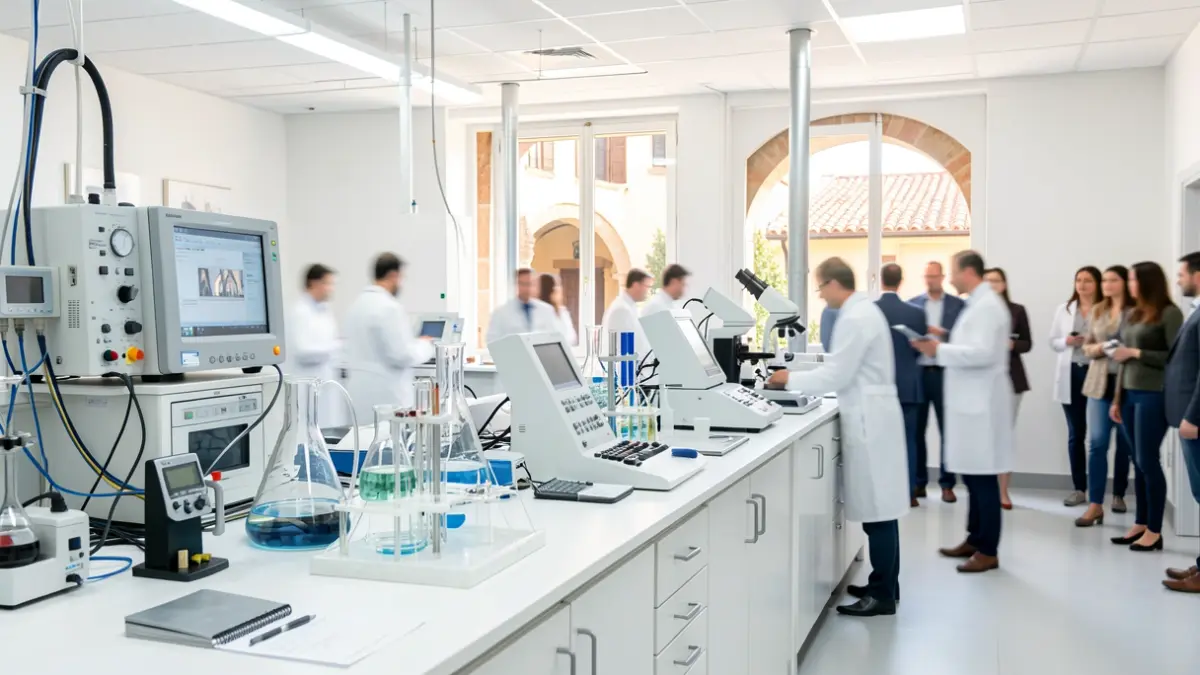
Science and technology parks, like PCB-UB, serve as engines for accelerating innovative ideas. Terrades highlighted PCB-UB's public-private model, fostering coexistence between startups, spin-offs, public groups, and R&D teams from multinational pharmaceutical companies.
As examples of knowledge transfer, she cited success stories such as SpliceBio and Ona Therapeutics, Catalan biotechnology firms with international reach.
Also attending the session was the Vice-Rector for Research, Jordi García Fernández, representing the University of Barcelona (UB). Key UB projects were presented, including the future Clínic-UB Health Campus, which will integrate faculties, research centers, and university hospitals, and the MIES-UB project, aimed at boosting research in strategic areas and housing the headquarters of the Institute for Bioengineering of Catalonia (IBEC) and the Fraunhofer Institute.