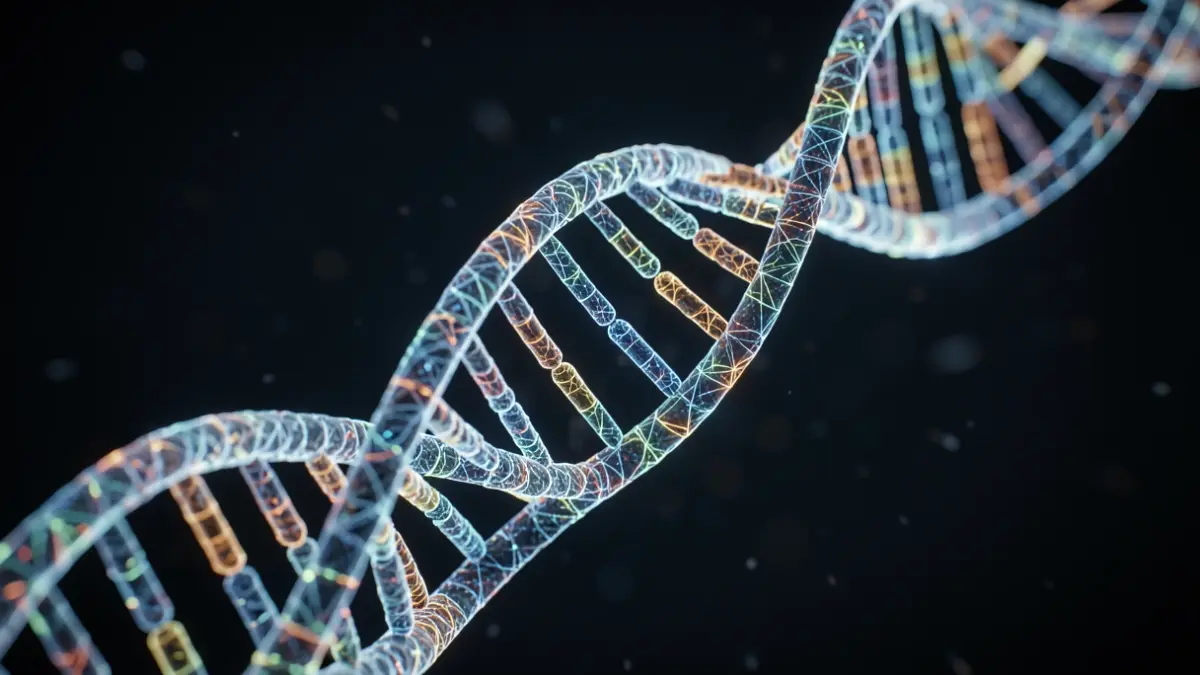
The study, published in the journal Science Advances and involving the National Genomic Analysis Centre ([CNAG](https://www.pcb.ub.edu/empresa/centre-nacional-danalisi-genomica-cnag/)), reveals that tissue regeneration depends not only on the activation or inactivation of genes but also on how DNA is spatially restructured within the cell nucleus. This finding positions the three-dimensional architecture of the genome as a crucial new regulatory layer in regenerative processes.
The research, which used imaginal discs from the fruit fly Drosophila melanogaster as a model, identified three specific DNA loops necessary for efficient regeneration. When these regions were altered, the regenerative capacity of tissues was significantly reduced, while normal organism development remained largely intact.
Montserrat Corominas, a professor at the UB's Faculty of Biology and a member of the Institute of Biomedicine of the University of Barcelona ([IBUB](https://www.pcb.ub.edu/empresa/institut-de-biomedicina-de-la-universitat-de-barcelona-ibub/)), explains that chromatin, the complex structure formed by DNA associated with proteins, allows contacts between distant genomic regions, thereby regulating gene activity.
The results, led by Corominas with Palmira Llorens-Giralt and Carlos Camilleri-Robles as first authors, identify a previously unknown role for genome architecture in tissue repair, opening new avenues for understanding gene expression during regeneration.