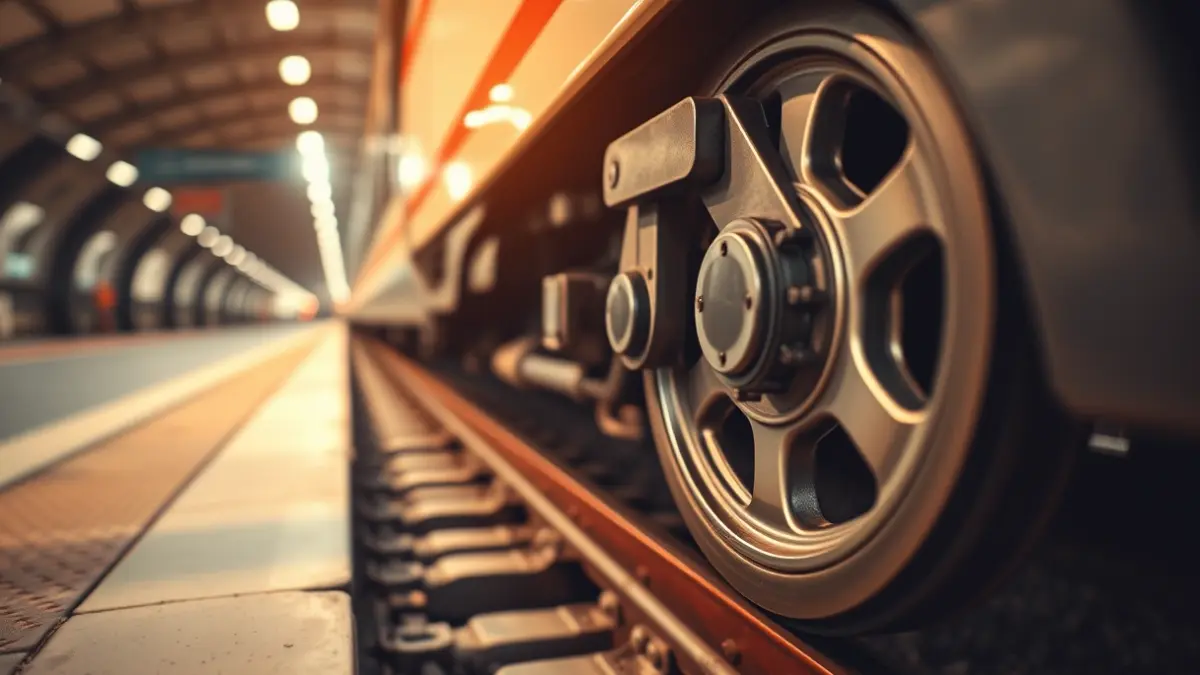
This acquisition includes 18 units designated to improve frequencies and extend service between Plaça Espanya and Gràcia, while the remaining 20 units will replace trains acquired in 1999 that have reached the end of their operational life. This measure is part of the public company's strategy to manage significant growth.
The company anticipates an increase from the current 100 million passengers to 150 million within the next five to six years. This growth aligns with internal reorganization to undertake new projects such as the launch of the R-Aeroport, its first Rodalies service in Lleida, the Tarragona tram, and the connection of the Llobregat-Anoia and Vallès lines.
“"Fortunately, at this moment there is a very significant demand for trains from both Renfe and us. There is a certain collapse among manufacturers to supply, and this is causing delays in receiving the units. The good news is that users will have new trains, a renewal of the country's fleet."
The launch of the airport train, the R-Aeroport, represents a major test for the new FGC. It is expected to become operational during the first half of next year, despite logistical challenges in conducting necessary tests due to Adif's infrastructure investments.
Furthermore, FGC is preparing to manage new railway services and systems beyond its traditional scope, acting as an instrument of the Government in Catalonia's railway strategy. Among the projects under study is a potential railway connection between Castelldefels and Sant Boi, which could establish a direct line from Gràcia to Castelldefels.
The company emphasizes the importance of continuous investment in maintenance and medium-term planning capacity through the Generalitat's program-contract, a multi-year agreement with specific objectives that ensures service reliability and efficiency. They are also adapting to new circumstances arising from climate change, which generate new risks and necessitate changes in track protection and sensorization systems.