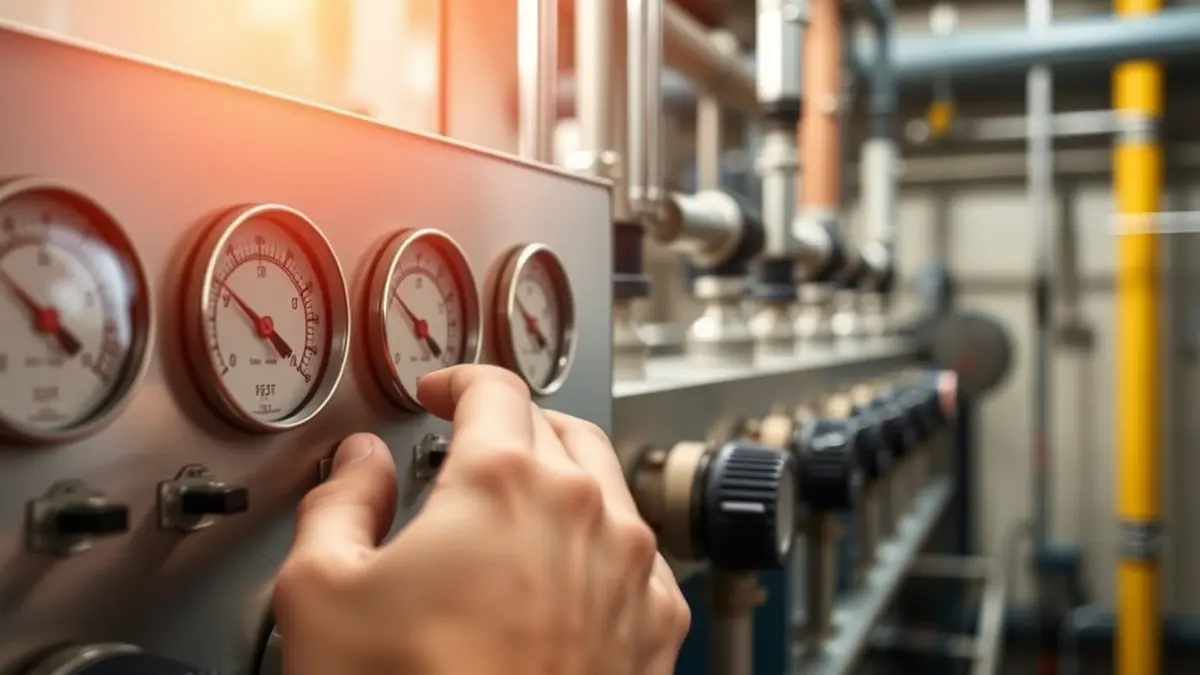
In a constantly evolving socioeconomic context, dual vocational training in water management presents itself as a strategically valuable option. This sector is characterized by its stability, a sustained demand for qualified professionals, and long-term projects, factors that make it an ideal environment for dual learning. Thus, students not only acquire specialized training but also gain access to job opportunities with real possibilities for continuity and professional development in an essential area for society, such as sustainable water management and sanitation.
A prominent example of this collaboration is the commitment of Veolia in Catalonia, which since 2012 has been promoting vocational training cycles in the sector in dual mode through the Water School. With the Intermediate Vocational Training Cycle (CFGM) in Water Treatment Networks and Stations and the Higher Vocational Training Cycle (CFGS) in Water Management, the company, together with various institutes, promotes specialized training that combines theoretical knowledge with professional practice and direct experience within the company. Both cycles are taught in dual mode, in collaboration with the Department of Education of the Generalitat de Catalunya, at the Institut Pere Martell in Tarragona and at the Institut de Sostenibilitat i Medi Ambient in Barcelona. Additionally, the CFGM in Water Treatment Networks and Stations can also be studied at the Escola Municipal del Treball in Granollers and at the Institut Alfons Costafreda in Tàrrega, while the CFGS in Water Management is offered at the Institut Esteve Terradas in Cornellà.
Over the last two academic years, the company has hosted around fifty students from these dual-mode cycles in its facilities. This initiative has allowed students to apply their knowledge in real projects, demonstrating the effectiveness of this training model in connecting academic learning with work experience and professional development.
This commitment to dual vocational training extends throughout the territory. In the Camp de Tarragona, companies such as Ematsa (Tarragona) and Comaigua (Baix Camp) have been collaborating with this training modality since 2014, both through water cycles and other specialties. During this period, Ematsa has hosted over 90 students in collaboration with the institutes Comte de Rius, Pere Martell, and Vidal i Barraquer, as well as with the Escola Joan XXIII in Tarragona and the Institut d'Horticultura i Jardineria in Reus. For its part, Comaigua has received 28 students from the Institut Pere Martell and the Institut d'Horticultura i Jardineria in Reus.
This experience accelerates learning and professional integration. An operator at the Palafolls drinking water treatment plant, managed by Veolia, began the dual modality without imagining the scope of the experience. For him, dual vocational training was the gateway to the working world, full of challenges and opportunities, and he discovered a sector with great job offers and a real impact on people's daily lives. His story with Veolia began while studying the CFGM in Water Treatment Networks and Stations at the Escola Municipal del Treball in Granollers, where he started his first dual-mode internships. Subsequently, he expanded his training with the CFGS in Water Management at the Institut Esteve Terradas in Cornellà, and upon completing this second cycle, he was hired by Veolia.
Another success story is that of a drinking water and sewerage professional at Comaigua, who found in the combination of classroom and company the best way to access the labor market and consolidate a stable career. He studied the CFGM in Water Treatment Networks and Stations at the Institut Pere Martell in Tarragona. After interning with Veolia in Vila-seca, he began his tenure at Comaigua in 2019, securing a permanent position in January 2023 after passing a competitive examination process.
A student currently pursuing the CFGS in Water Management at the Institut Pere Martell in Tarragona and combining studies with professional practice at Ematsa, chose this cycle due to the sector's relevance in daily life and its connection to the environment. For her, the water management sector is strategic, as water is an essential commodity and its availability is decreasing, in addition to being an area with great potential thanks to constant innovation. She believes that the dual modality is a very valid way to prepare for the labor market.
In summary, the dual vocational training cycles in water not only connect learning with the needs of the sector but also represent a solid option for those seeking practical training with job opportunities in green employment, growth possibilities, and a relevant social function within a strategic sector.