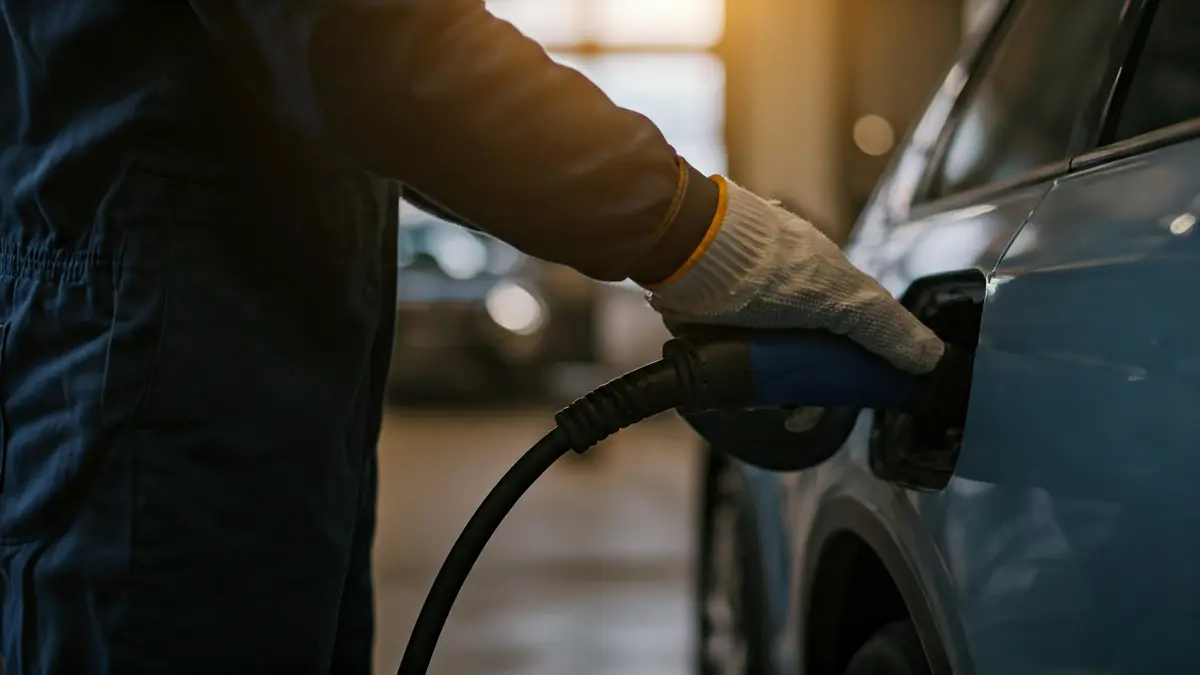
The transition to electrified vehicles is redefining the landscape of mechanical workshops. In Molins de Rei, for example, the official Renault service center already handles 40% electric or hybrid vehicles daily. This new reality implies substantial changes in repair processes, starting with the need to de-energize vehicles to eliminate high voltage before any intervention, ensuring operator safety with specialized clothing.
The main tool is no longer the wrench, but the computer. Workshops are seeing a decrease in oil filters and spark plugs, while high-voltage batteries, cooling circuits, and laptops connected to vehicles for diagnostics are gaining prominence. This digitalization even allows for online repairs and remote diagnostics before the car arrives at the workshop.
“"70% of electric vehicle repairs begin online."
Although electrified vehicle repairs can be 10% more expensive, these cars break down less and require fewer mechanical interventions. Furthermore, annual services are more economical, as elements like oils and filters are eliminated. A 60,000 km service for an electric vehicle can cost less than 200 euros, compared to 350-450 euros for a thermal vehicle.
The profile of the technician has also evolved, shifting from a traditional mechanic to a more digital and IT-savvy professional, specializing in high-voltage systems, batteries, and advanced electronics. This transformation requires significant investment in training and new tools, a challenge especially for multi-brand workshops and small garages, which need around 30,000 euros to adapt.
“"Around 3,000 operators and technicians are needed in repair workshops across Catalonia to start working tomorrow."
The shortage of qualified professionals is one of the most urgent challenges facing the sector, with demand outstripping supply and waiting lists of up to three months. This scarcity is not due to electrification, but to the slow pace of generational replacement and the outdated training curricula compared to technological advancements.
Battery management, representing up to 40% of a vehicle's value, remains the big long-term unknown. Their repair, reconditioning, and recycling open new business avenues, although currently, complete replacement is the most common option for out-of-warranty breakdowns, at a high cost. It is expected that more repairability alternatives will emerge in the future.
Registration data in Catalonia confirms the trend: in March 2026, almost 8 out of 10 registered passenger cars were electrified, totaling 10,575 units. This figure consolidates Catalonia as the second community in Spain for registrations, only behind Madrid. However, the pending issue remains the charging infrastructure, with Catalonia nearing 12,000 points, but with a significant number of stations out of service.