The Fundació Barcelona Capital Nàutica (FBCN) is leading an Action Plan for Decarbonization, supported by public administrations, to boost the Catalan nautical industry. This plan, which follows the development of four electric prototypes two years ago, will culminate in a trade mission to the Netherlands after the summer, spearheaded by ACCIÓ. The objective is to explore opportunities in the Dutch market for Catalan companies.
Currently, the Catalan nautical ecosystem comprises 564 companies, generating approximately 1.105 billion euros annually and employing 4,000 people. This sector is highly specialized in repair and renovation shipyards, as well as auxiliary industries.
The FBCN's decarbonization plan, which also includes an initiative to manage the end-of-life of vessels, was recognized by the National Association of Electric Boats (ANBE) during the Barcelona Electric Marine Show. This event, held at the Port Olímpic until Sunday, promotes sustainable nautical activities.
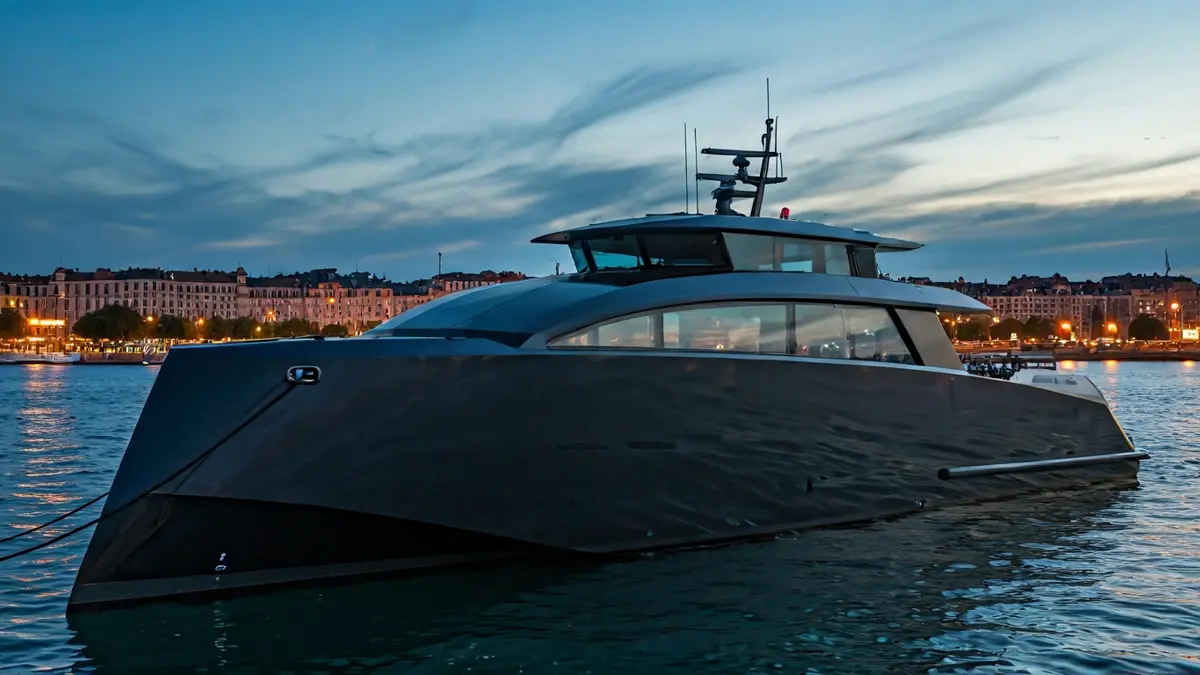
The exhibition showcases innovations such as the new boat with two electric motors from the Catalan company Electric Inside, an electric catamaran from Earthling e-Propulsion, and the first hydrogen boat designed and manufactured in Spain by Dhamma Blue. Also featured are an electric jet ski from Canadian Taiga Motors and a new aquatic scooter from French Sea-Next, aiming to revive water sports affected by the noise and pollution of classic models.
Despite the crisis in the recreational nautical sector since the end of the pandemic, with sales declines that have not yet recovered, the electrification process is advancing slowly but irreversibly. Experts emphasize that fuel savings are considerable and that energy independence is crucial for ensuring the sector's autonomy and future.
However, this transition faces significant regulatory and management barriers. Jordi Caballé, manager of Marinas de España, highlighted the difficulty for marinas to make necessary investments without guaranteed concession renewals. Nevertheless, the sector anticipates that within five years, ports will not only supply energy but also produce and store it. The Port Olímpic is already deeply involved in this process, even supplying electric vehicles in the city, as explained by its director, Olga Cerezo, and consultant Manel Cebrián.