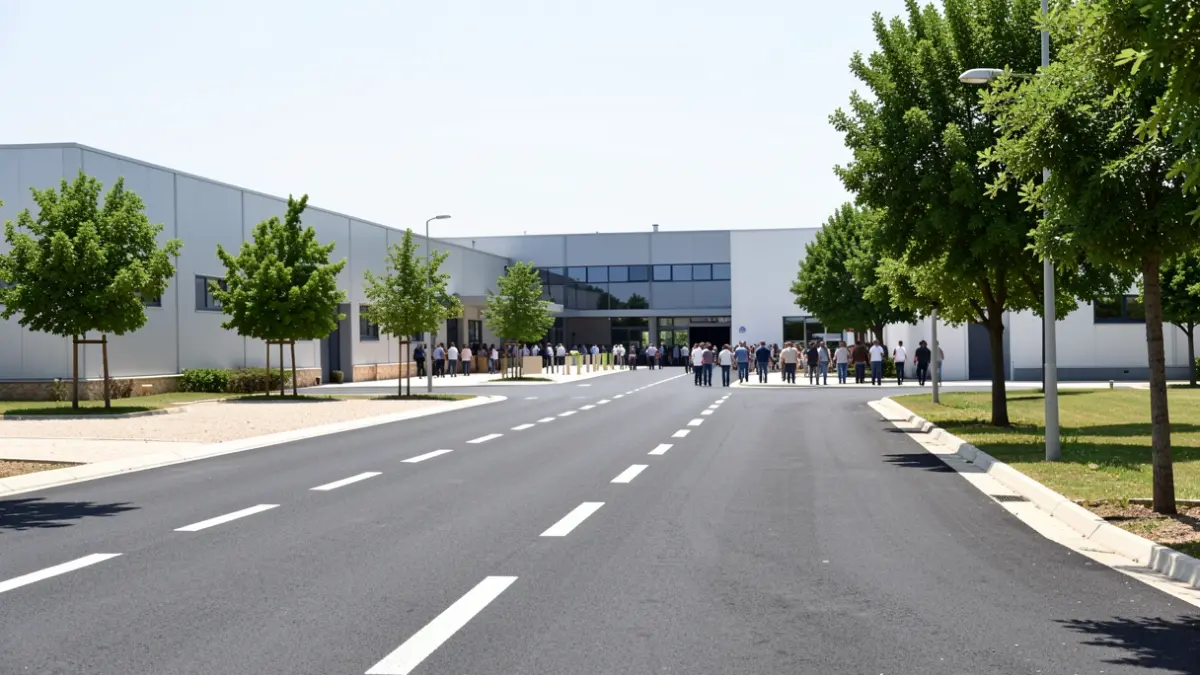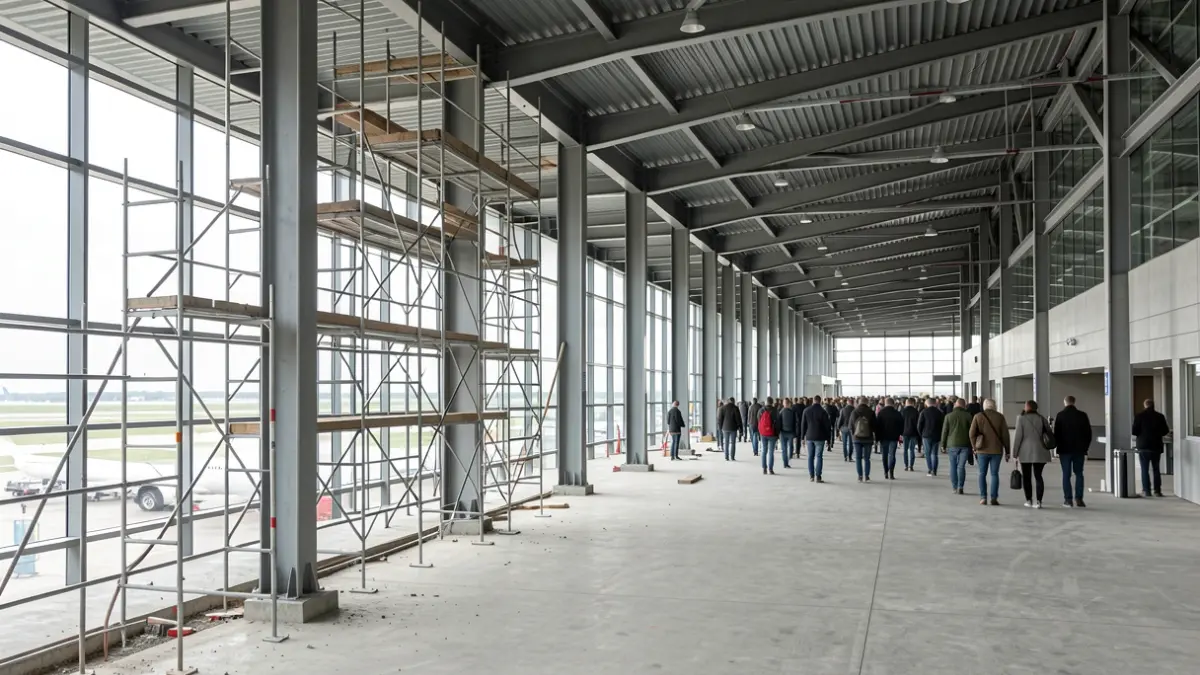
This operation, taking place after 17 months of continuous activity since the previous reload, represents an investment of 27.5 million euros by the Associació Nuclear Ascó-Vandellòs (ANAV). The new employees, mostly local residents, will contribute various specializations to ensure the smooth execution of the process.
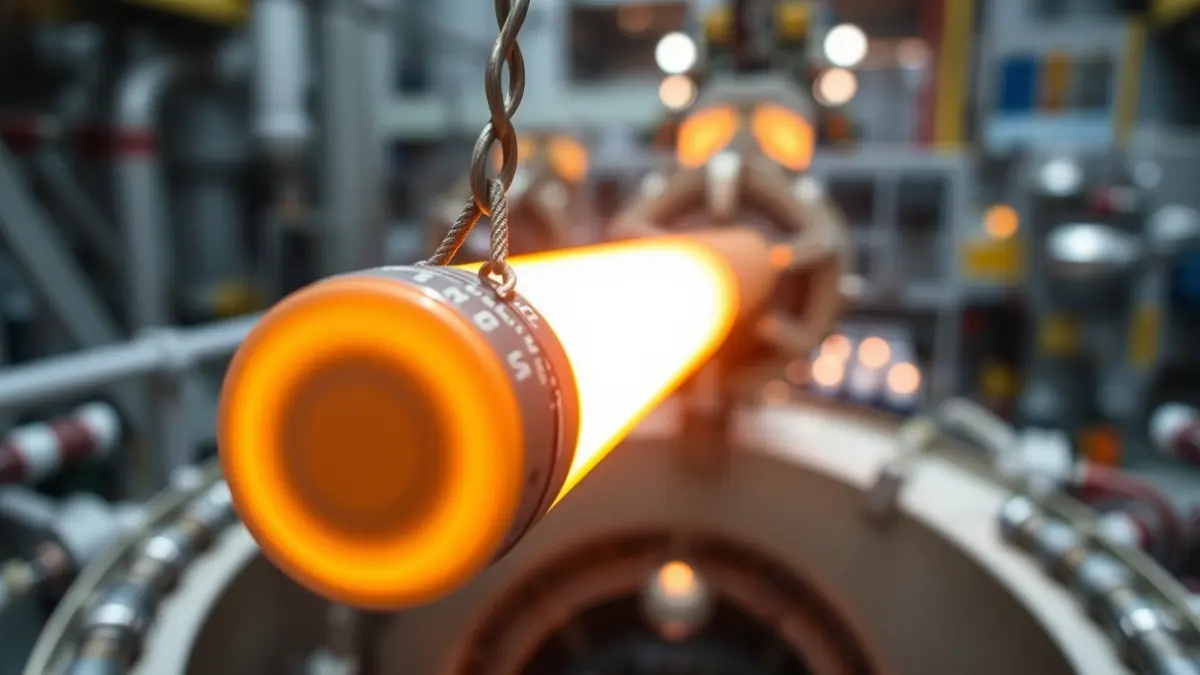
During the shutdown, more than a third of the reactor's fuel elements, specifically 60, will be replaced. Additionally, nearly 11,000 work orders will be executed, with over 90% corresponding to inspections and preventive maintenance. Improvement activities, only possible when the plant is offline, have also been planned, including 21 physical design modifications and 7 software updates.
“"Among the relevant projects for this 31st reload, it is worth highlighting the replacement of the reactor coolant pump (RCP) 'B' motor, the general overhaul of the RCP 'C' seals, sludge lancing cleaning of the secondary circuit side of the steam generators, laser profilometry inspection of the reactor vessel head thermal sleeves, and remote visual inspection of the exterior of the reactor vessel head."
Furthermore, the containment spray system test will be conducted, an activity performed every 10 years, in accordance with international operational experience and the plant's technical operating specifications. Regarding the safeguard trains, the motors of both diesel generators 'A' and 'B' will be reviewed, and in the secondary circuit, a major overhaul of the high-pressure turbine will be carried out, and the main condenser will be inspected, among other tasks.
The coordinated execution of all these activities requires detailed planning months in advance, involving all organizational units. The main objective is to carry out all programmed tasks safely, efficiently, and according to schedule, following the Critical Path Method, a project management technique that identifies the sequence of tasks determining the minimum time to complete the project.