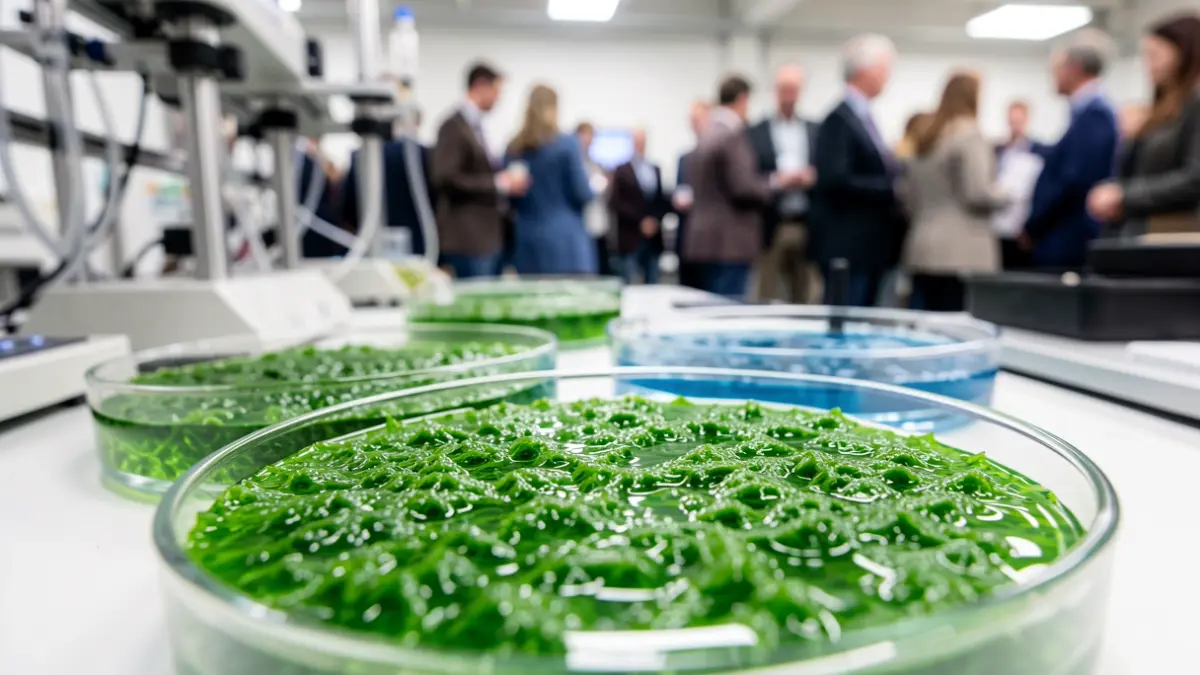
This technological advancement enables the cultivation of microorganisms in contaminated effluents, transforming them into organic matter with potential industrial, agricultural, and aquacultural applications. The patent marks a significant step towards the circular economy and sustainability, as it harnesses nutrients from wastewater to generate usable biomass without external fertilizers, while also contributing to water purification.
The development of this technology originated from the European SABANA Project, led by researcher Juan Luis Gómez Pinchetti. The scientific team worked with marine species from the Spanish Algae Bank (BEA) to identify microorganisms capable of both purifying urban wastewater mixed with seawater and producing valuable biomass.
The research focused on identifying microalgae and cyanobacteria that could eliminate pollutants like nitrogen and phosphorus through biofiltration or bioremediation processes. Beyond their purifying function, the generated biomass can be used to obtain compounds of commercial interest, such as biostimulants for agriculture or ingredients for aquaculture.
Four species (two microalgae and two cyanobacteria) were identified for their high efficiency in removing pollutants and producing value-added biomass. The patent application was initially filed in the United States due to strong commercial interest from companies, while the protection process in Europe is still ongoing.
This international recognition solidifies the ULPGC's position as a leader in marine research and applied biotechnology, reinforcing Canary Islands' potential as an innovation hub for sustainable resource management and waste valorization.