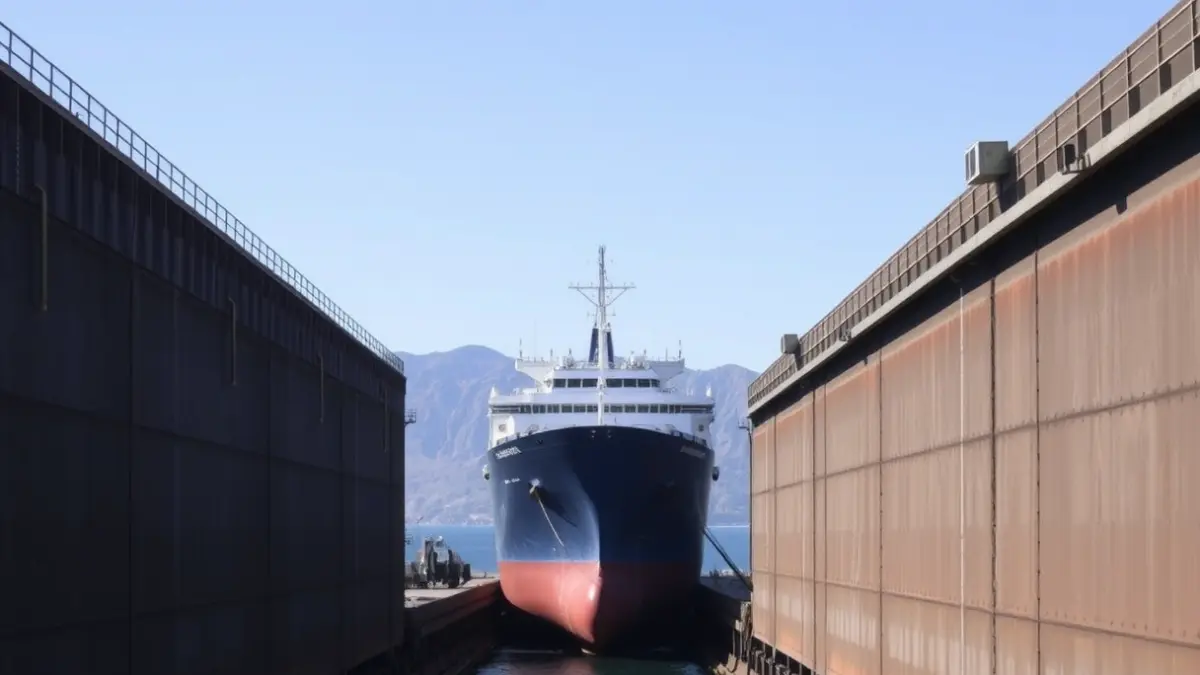
This infrastructure, operated by Tenerife Shipyards, positions the island as a key player in maritime maintenance, enabling dry repairs for vessels up to 22,000 GT and 180 meters in length. This tonnage is crucial for oil product tankers that distribute refined products on medium-distance routes, such as the one connecting the peninsula with the Canary Islands, covering a significant portion of the global fleet.
The dry dock's voyage was a two-month odyssey, traversing high-risk areas such as the Malacca piracy corridor, the Bab al Mandab kidnapping hotspot, and the Suez Canal, necessitating the procurement of war insurance. Its arrival has generated great excitement among the company's team, who are preparing to commence welding, painting, and hull adjustment operations.
“"Today I saw many hopeful faces in a company that has a family, group-of-friends feel, brimming with enthusiasm and freshness; eager to start welding, painting, and fine-tuning hulls. It was exciting to see it in person, and that's where politics should be, with those who bet and take risks creating collective wealth."
The dry dock is expected to receive its first client in June, a goal for which arrangements have already been made with ship management companies. Initiatives like this are fundamental for the diversification of the economy and the offshore sector in the archipelago. It remains to be seen whether its operations will be established in Santa Cruz de Tenerife or Granadilla, and if the Hidramar Group, which had to expand to a new location to grow, will consider implementing a syncrolift as its next strategic move.