
The European sports sector, particularly in Spain, has become a focal point for venture capital funds. Financial giants like Apollo, CVC, Sixth Street, and Ares Management have significantly increased their presence in the last five years, multiplying their stakes by up to 16,000%. In Spain, their influence is growing, controlling key assets such as the football club Atlético de Madrid, the television rights of La Liga, tennis tournaments like the Mutua Madrid Open, and infrastructure such as the Santiago Bernabéu stadium.
Globally, the sports sector represents a $2.5 trillion investment opportunity. A notable example is Apollo's recent acquisition of 55% of Atlético de Madrid for 2.5 billion euros. While these funds' presence is relatively new in Europe, they have been investing in NBA, NFL franchises, and other sports competitions and infrastructure in the United States for decades.
Early major European operations included CVC's purchase of Formula 1 in 2005 and the acquisition of Paris Saint-Germain (PSG) in 2006. Sports are now increasingly viewed as a distinct asset class, encompassing leagues, teams, television rights, real estate, and stadiums.
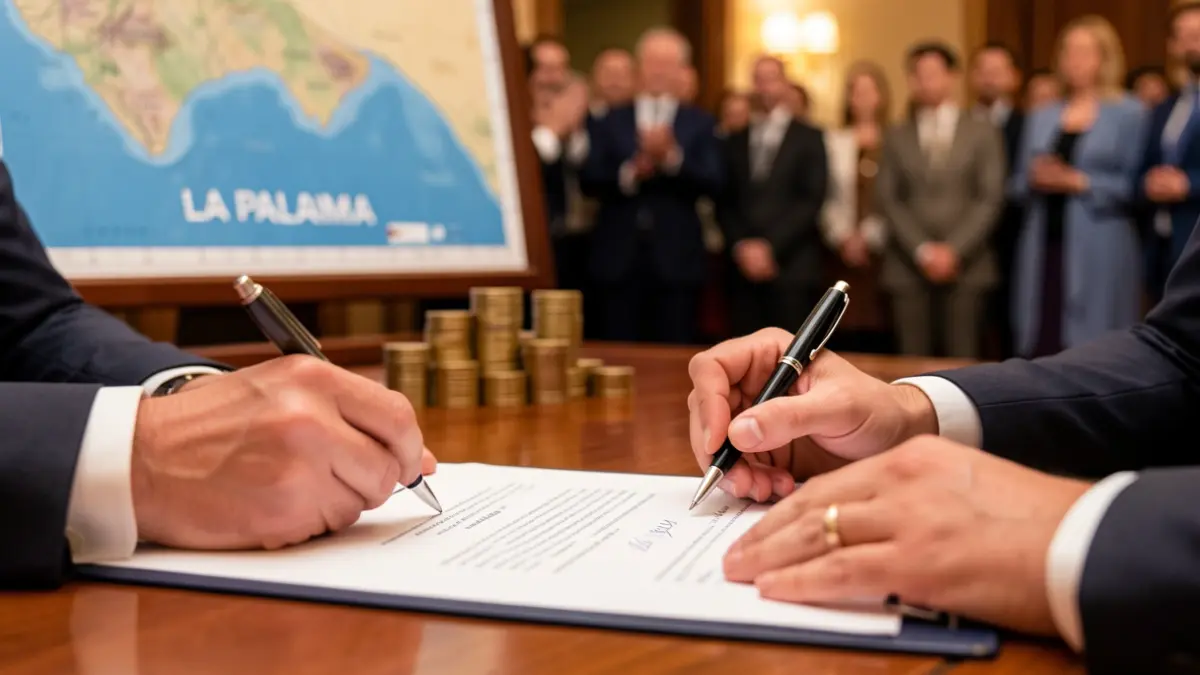
Venture capital funds have invested over 5 billion euros in Spanish sports in the last decade, with total transactions exceeding 9 billion euros. Football leads these investments. A pioneering operation was the purchase of 10% of La Liga's television rights for 2.7 billion euros in 2021, valuing the competition at 24.25 billion. These funds are used for infrastructure modernization and the development of complementary businesses.
Other funds have also made significant investments. Sixth Street, through Legends, paid approximately 360 million euros for 30% of the revenue from the Santiago Bernabéu stadium for twenty years. Additionally, they acquired 25% of FC Barcelona's television rights for over 500 million euros for 25 years, facilitating the Camp Nou renovations.
Outside of football, Mari Group, partly owned by funds like Apollo and Ares Management, owns the Mutua Madrid Open, a major tennis tournament. The fund Quantum Pacific is a shareholder in Atlético de Madrid, owns 45% of the Movistar Team cycling team, and has acquired the Spanish sailing team Los Gallos. In padel, Lurra Capital invested in the Hexagon Cup.
Spanish investors have been key sellers, transferring assets like the World Padel Tour to Qatar Sports Investments and Dorna (MotoGP organizer) to Liberty Media. The annualized return on sports assets in North America has historically been around 13%, outperforming bonds and stocks, and they are considered an 'anti-AI' asset, uncorrelated with the economic cycle.