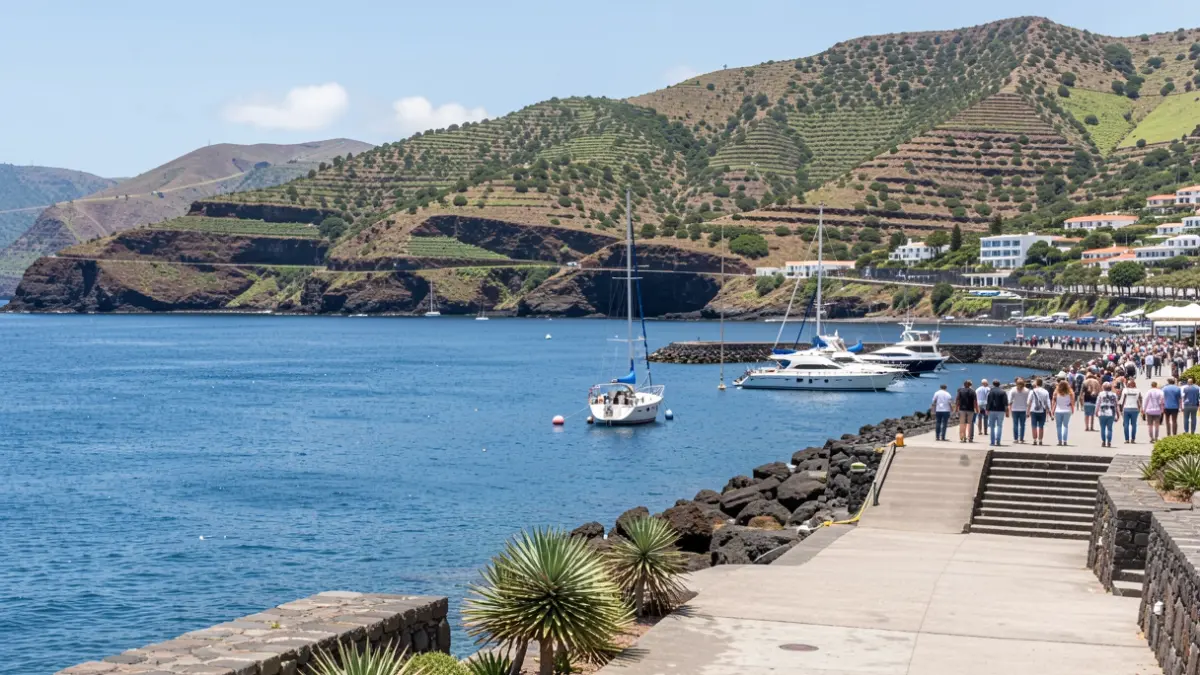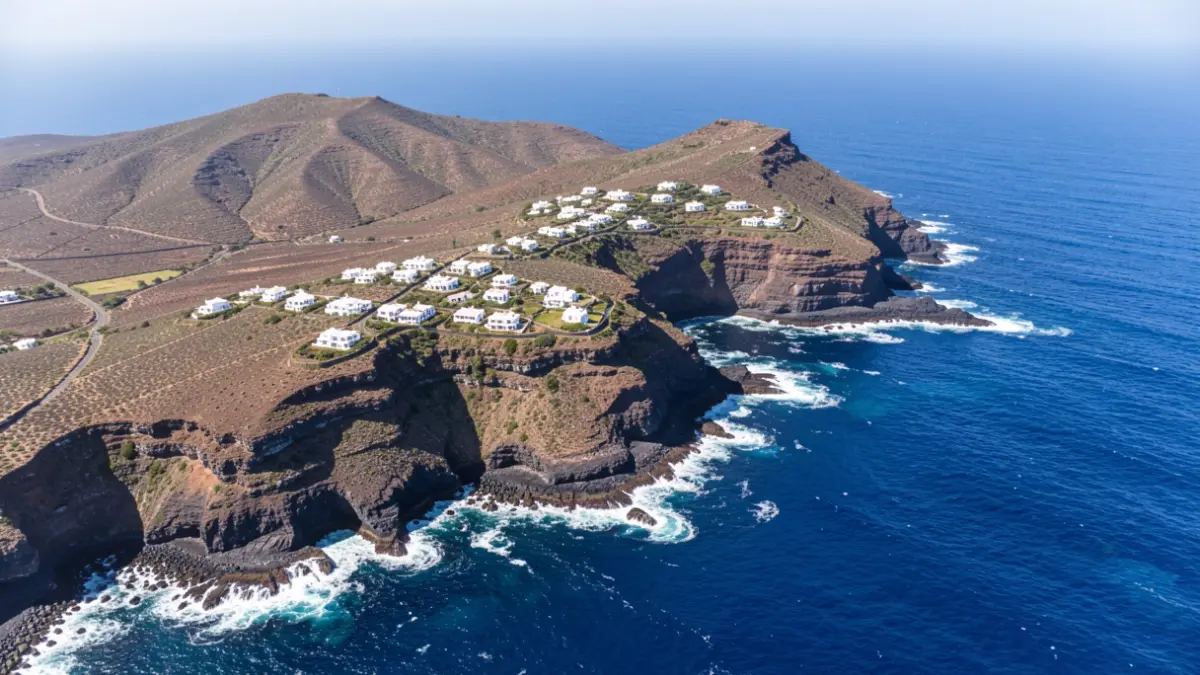
Non-resident foreigners own 52,463 homes in the Archipelago, a figure representing close to 5% of the total housing stock on the islands. While this situation is not new, it has recently sparked debate regarding its effects. On one hand, property acquisitions by individuals who do not permanently reside in the Canary Islands are seen as a factor contributing to rising property prices. On the other hand, these foreign investments stimulate the economy, boost the construction and real estate sectors, and attract visitors who tend to extend their stays.
According to the latest Annual Report from the Bank of Spain, over 8% of the Canary Islands' housing stock is not used as a primary residence. Of the 90,800 homes not used year-round, after subtracting the 38,337 designated for tourist use according to Istac, it is concluded that the remaining 52,463 properties belong to owners born outside Spain who do not reside permanently on the islands.
There is concern that the continued opening of the real estate market to foreign buyers may exacerbate the housing emergency faced by the local population. Previous attempts to limit purchases by EU citizens have proven difficult, as they could potentially violate European Union rights.
The Canary Islands Government is working to obtain an exception that would allow it to discourage or limit property acquisitions by non-residents, leveraging the islands' status as an Outermost Region (OR).
Foreign demand has a significant impact on the Canary Islands' real estate market, particularly for second homes. Despite a slowdown in transaction rates last year, international buyers accounted for 35.17% of homes sold in the Canary Islands, solidifying their role as a key driver of the sector.
Foreign demand tends to drive up prices. In a market with limited supply, the demand from residents is compounded by that of international investors. Although the types of properties sought may differ, this pressure further strains the already tight housing stock. Furthermore, the higher purchasing power of many international buyers interested in Canary Islands properties allows for prices exceeding what most local families can afford. The mere existence of an international market also influences sellers to adjust prices upwards, even for mid-range properties.
However, the rise in housing costs in the Canary Islands cannot be solely attributed to foreign buyers. Reduced public investment in affordable housing since the financial crisis, coupled with construction stagnation, land scarcity, and recent cost increases, has created a perfect storm in the archipelago's housing market.