The government has greenlit a Royal Decree updating the Intelligent Transport Systems (ITS) regulations in Spain, aligning with European directives to promote more digital, connected, and secure mobility. The primary goal is to optimize traffic management through real-time information exchange among administrations, operators, and control centers, anticipating incidents and providing better information to drivers.
The regulation strengthens the National Access Points, platforms acting as "one-stop shops" for accessing mobility and transport data. These points facilitate coordination and ensure the continuity of ITS services across the European Union. The General Directorate of Traffic (DGT) already operates its National Access Point for Traffic and Mobility, centralizing data on network status, roadworks, and other incidents.
The obligation to telematically communicate all circumstances that may affect traffic, such as roadworks, lane closures, or special events, is introduced. This information flow will enable drivers to receive faster alerts and management centers to act more effectively in risk situations.
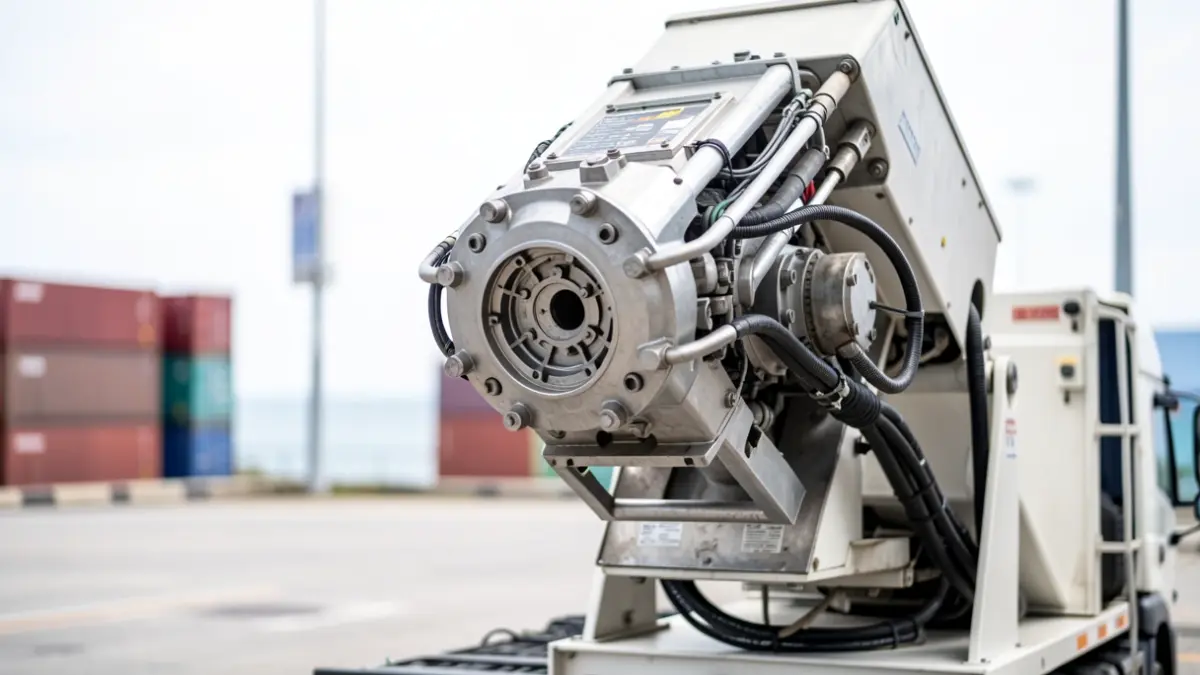
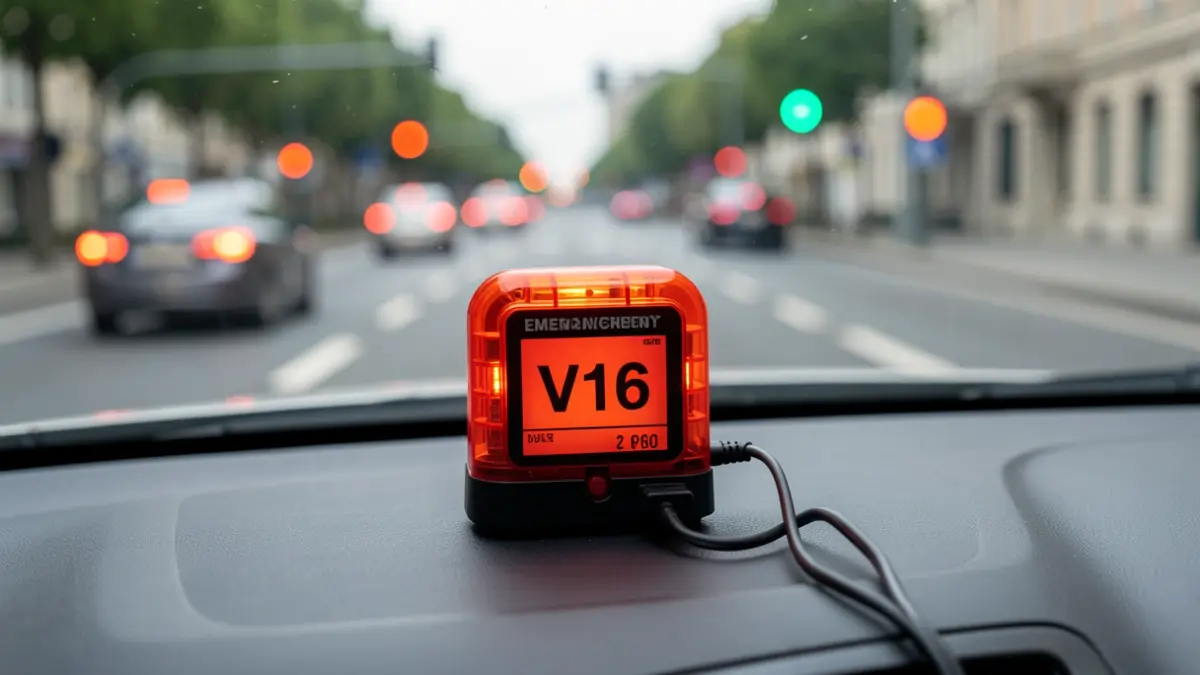
The Royal Decree also promotes the deployment of connected technologies already championed by the DGT, including the DGT 3.0 platform, the connected V16 beacon, connected cones, and connected tow trucks. These tools are crucial for communicating real-time incidents, enhancing safety, and advancing towards cooperative and automated mobility. The V16 beacon, for instance, alerts about stopped vehicles, while connected cones report on roadworks.
The new regulation ensures that personal data processing is limited to what is necessary for intelligent transport services, always respecting data protection regulations. Furthermore, it promotes universal accessibility, equal access, and transparency, ensuring that digital mobility services are usable by all individuals, including those with disabilities.
The DGT states that this regulation aligns Spain with the European strategy for intelligent mobility and reinforces its commitment to the digital transformation of transport, aiming for safer, more connected, and sustainable mobility.