Curbelo recalled that this position aligns with his previous warning regarding the intention to raise airport tariffs. He believes this measure would impose an additional burden on territories like the Canary Islands, where air connectivity is not an option but an essential necessity for equal opportunities, territorial cohesion, and economic development.
The CNMC has proposed an annual reduction of 0.59% in airport fees for the 2027-2031 period, contrasting with the 3.82% increase advocated by Aena. The regulatory body also suggests revising traffic forecasts upwards, estimating a 2.2% annual growth to reach 366.7 million passengers by 2031.
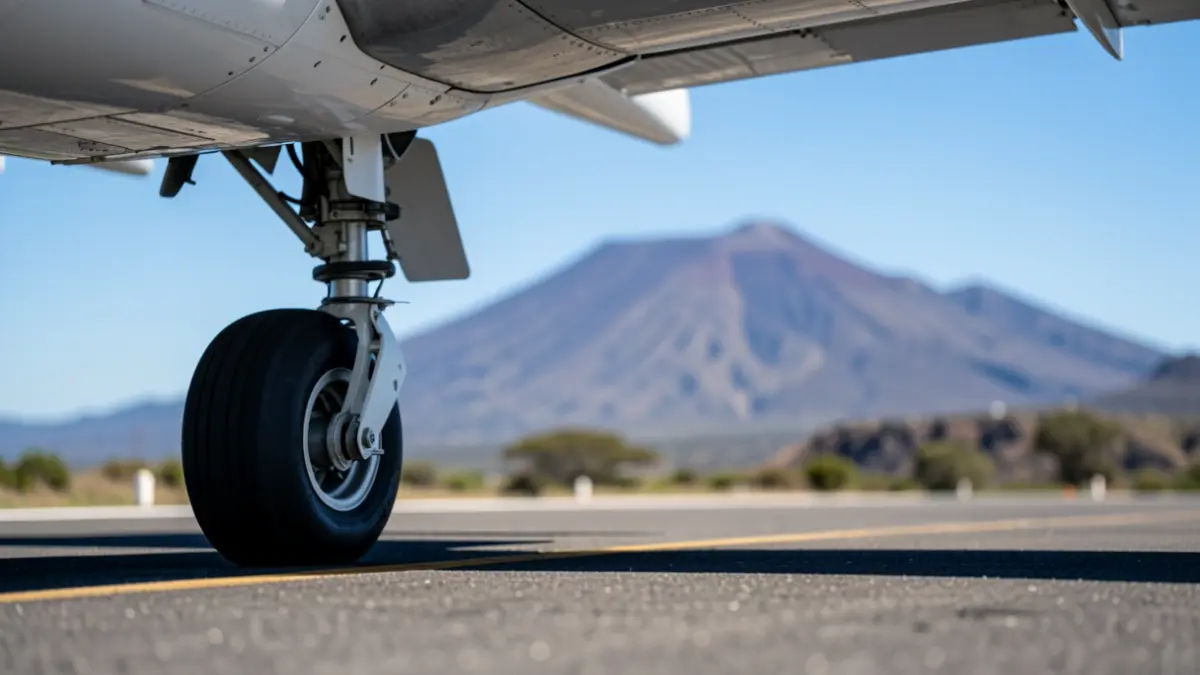
The island president emphasized that the Canary Islands require specific consideration within the III Airport Regulation Document (DORA III). He argued that Canarian airports play a strategic role in ensuring citizen mobility, access to essential services, tourism, and the islands' economic activity. He cited the Gomera aerodrome as an example, which already handles over 128,000 passengers annually.
“"In La Gomera, we know well what it means to depend on stable and affordable connectivity. Any decision that increases air operational costs or compromises routes must be analyzed with special caution, as its consequences are not only economic but also social and territorial."
Curbelo stated that the CNMC confirms that cost increases affecting the competitiveness of Spanish airports, particularly in territories most dependent on air transport, cannot be passed on to airlines and, by extension, to users.