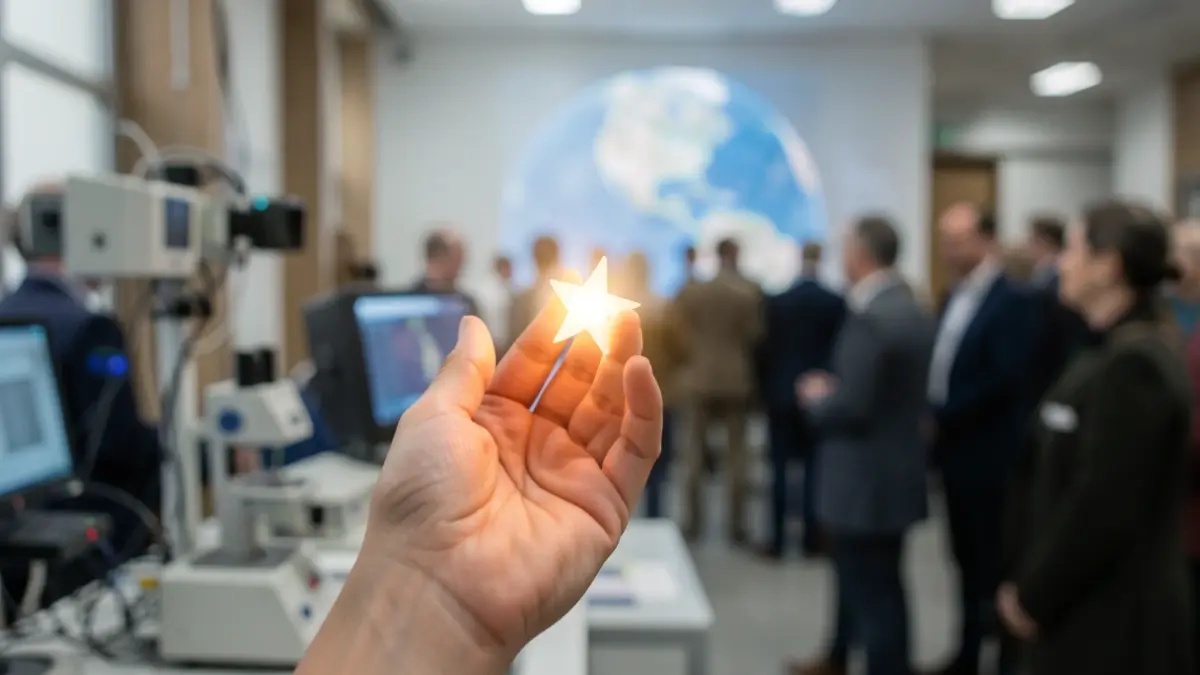
The regional Executive's vice-president, Manuel Domínguez, and the Minister of Ecological Transition and Energy, Mariano Hernández Zapata, inaugurated the “Conference on High-Enthalpy Geothermal Energy in the Canary Islands” in Santa Cruz de La Palma, an event bringing together international specialists, institutional representatives, companies, and scientists until Friday.
The objective of the meeting is to analyze the current state of deep geothermal energy in the Canary Islands and its contribution to the energy transition. Zapata defended the regional government's push for geothermal exploration, noting that modifications to the grid allocation tender and permit reassignments have unblocked the sector's development.
The extension of the deadline for executing subsidies for geothermal projects in Tenerife, Gran Canaria, and La Palma until December 2028 was recalled, to prevent the loss of funds. In Tenerife, drilling has already begun, in Gran Canaria actions are imminent, and in La Palma, basic surface studies are progressing.
Manuel Domínguez emphasized that high-enthalpy geothermal energy is a “strategic sector” that can transform the islands' economy towards a “more sustainable, efficient, and autonomous model,” strengthening the productive fabric, attracting investment, and generating qualified employment. He highlighted that La Palma is a clear example of this potential.
The conference is divided into three thematic blocks: successful geothermal models, financing opportunities, and technical challenges associated with drilling in volcanic environments and integrating this energy into island electrical systems.
Among the international speakers are Magnus Dagur, CEO of Reykjavík Geothermal Ltd, who presented the experience of Iceland, and María da Graça, head of the Geothermal Resources Exploitation Department at EDA Renováveis, who addressed the development of this technology in the Azores.