
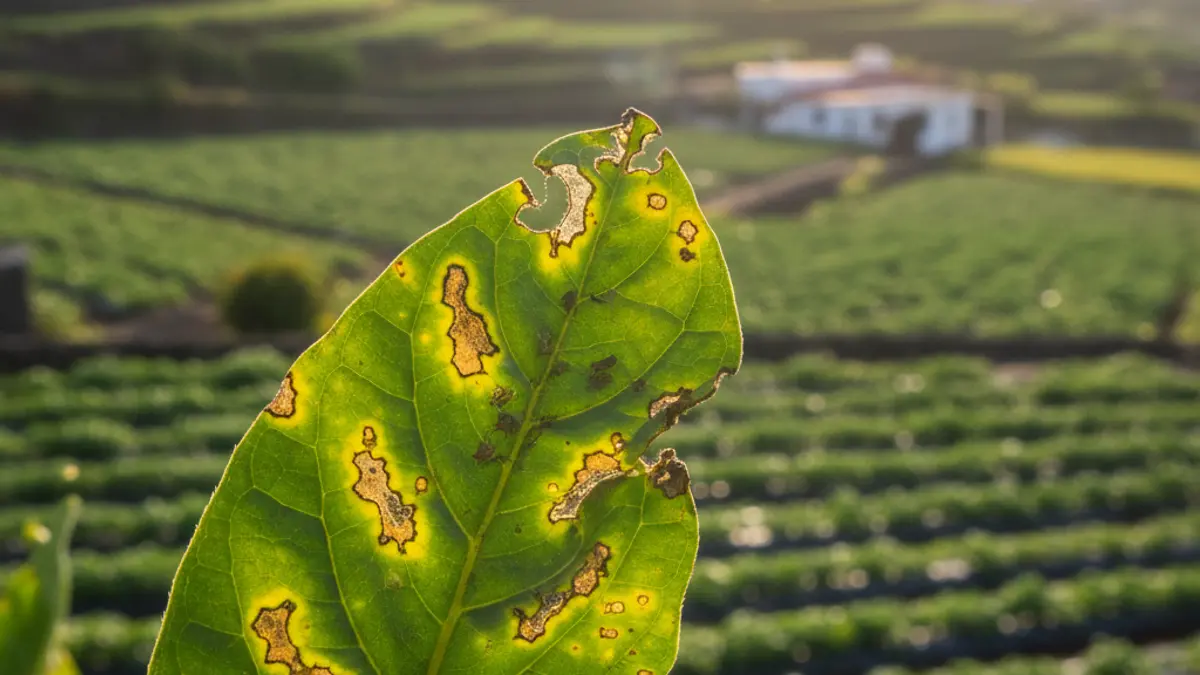
According to a statement released this Wednesday, Atratican has expressed its concern over the "helplessness and lack of protection" faced by Canarian producers. The European Union has prohibited certain essential phytosanitary products for pest control, without previously guaranteeing equally effective substitutes, which is negatively impacting local agriculture.
The association regrets that, despite the passing months, the Government of the Canary Islands has not secured solutions from the Ministry of Agriculture to mitigate this problem. Proposed solutions include exceptional authorizations for continued use of these products, processing the registration of certain phytosanitaries as "minor use," or accrediting substances with maximum residue limits compatible with European regulations on the matter.
“"They have taken away the tool to keep our fields free of pests, and every day the situation worsens, which is why we demand greater involvement from the Canarian Government and the State Government to avoid a total disaster."
While solutions are delayed, pests such as aphids, cochineal, and whiteflies continue to spread, causing significant economic losses and affecting fruit quality, especially in banana plantations. This situation adds to other burdens already borne by the sector, such as rising production costs, price instability, and unfair competition from imported products from countries with less stringent phytosanitary requirements.
Atratican has noted that other EU member states, such as Italy and France, have already implemented temporary authorizations for phytosanitaries to protect their harvests. Therefore, the association urges the formation of a "common front" between the agricultural sector and public institutions in the Canary Islands, to energetically pressure the central Government and, in turn, the European Commission, seeking a solution that considers the archipelago's outermost region status.
The collective, which includes farmers, fishermen, and ranchers, emphasizes that Canarian producers are the first to defend the quality of their products and the highest phytosanitary guarantees for consumers, but they consider the current situation an "intolerable comparative grievance".