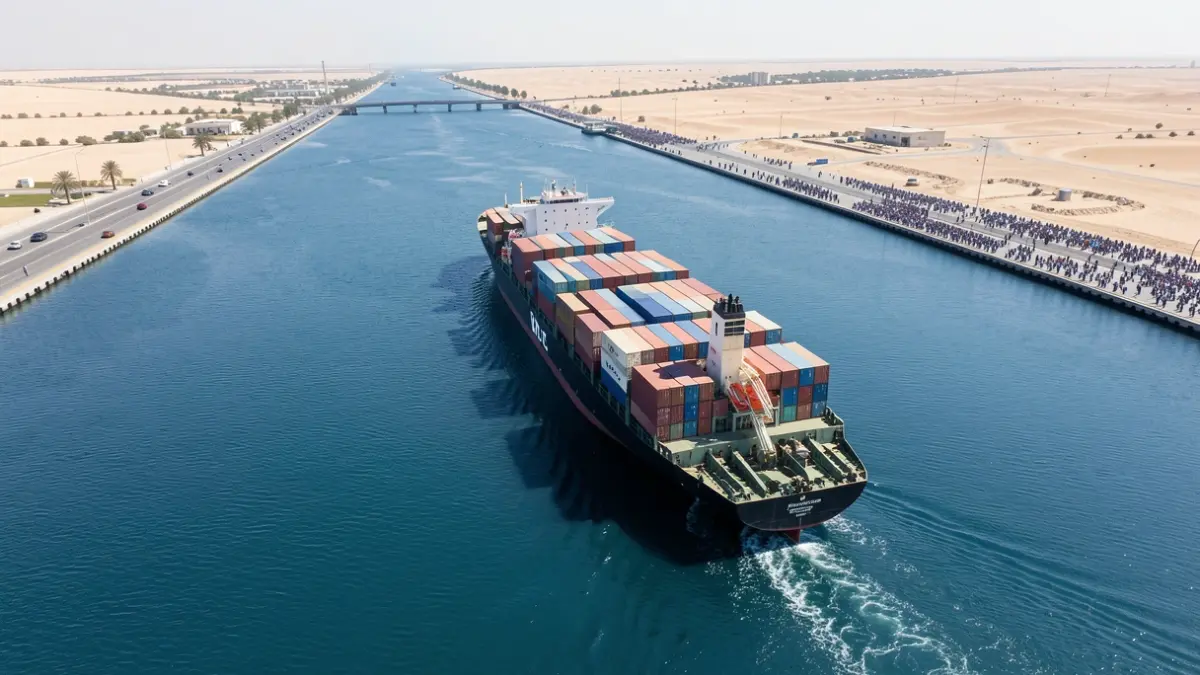
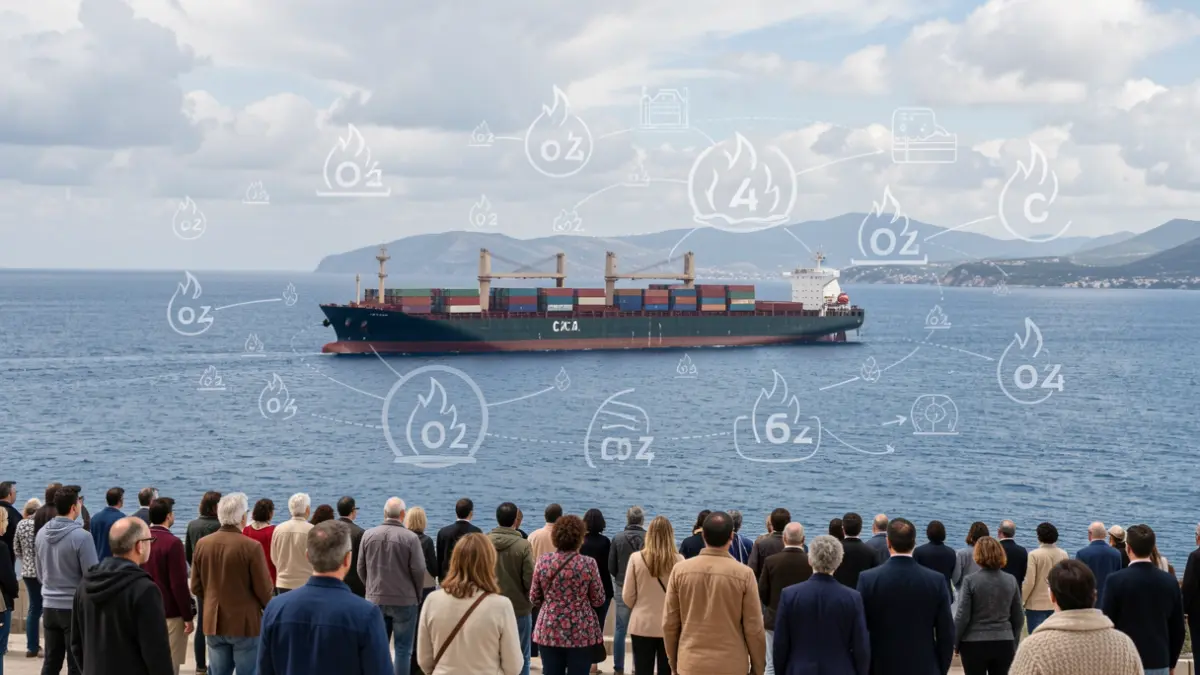
The primary objective of this request is to obtain "different treatment" under the ETS that acknowledges the "exceptionality" of these regions, characterized by their "remoteness and insularity," according to statements by Pedro Suárez, president of the Port Authority of Santa Cruz de Tenerife.
Beatriz Calzada, president of the Port Authority of Las Palmas, noted after meetings in Brussels that there is a lack of understanding regarding the reality of outermost regions, erroneously comparing them to territories like Malta or Cyprus.
In response to this lack of comprehension, the Canarian ports of Tenerife and Las Palmas have joined forces with the French outermost regions (Guadeloupe, Martinique, Guiana, Réunion, Saint-Martin, and Mayotte) and the Portuguese regions (Azores and Madeira) to form a "common front" ahead of the ETS review scheduled for July.
The European Emissions Trading System (ETS) has required shipping companies operating in EU ports to pay for CO2 emissions since 2024. The mechanism covers 100% of emissions on intra-European routes and 50% on journeys between the EU and third countries.
Outermost ports argue that this cost is encouraging the diversion of traffic to non-EU enclaves in North Africa or the United Kingdom, leading to a loss of competitiveness and connectivity.
Pedro Suárez warned that this situation affects not only the Canary Islands but also other EU ports, and that the association aims to "pressure" for their reality to be understood.
Given that the Canary Islands import 85% of the products they consume by sea, any measure that "penalizes" this maritime traffic could result in an "increase in the cost of living" in the archipelago. There is a risk that shipping companies might divert cargo to ports where these taxes are not applied.
Beatriz Calzada expressed concern that Europe is shifting its logistics strategy to other continents, thereby losing control over incoming cargo.