The primary concern of the Ministry of Ecological Transition is to address a significant energy deficit. Out of the 135 megawatts expected to be covered by express projects, only 35 megawatts have been awarded, leaving a 100-megawatt gap that jeopardizes the island's electricity supply.
Gran Canaria's current situation is critical due to the slow pace of implementing energy solutions and the age of some infrastructure, which is over 50 years old and experiences constant failures. In early February, the Ministry for Ecological Transition (Miteco) resolved a competitive tender that proved unsatisfactory for the island, renewing only 33% of the 1,000 megawatts offered regionally.
Specifically for Gran Canaria, a major electricity company opted not to renew equipment due to a lack of clarity in Miteco's remuneration system and tender conditions. Furthermore, a new generating plant planned for the Port of Las Palmas was dismissed at the request of the Government of Canarias, exacerbating the deficit.
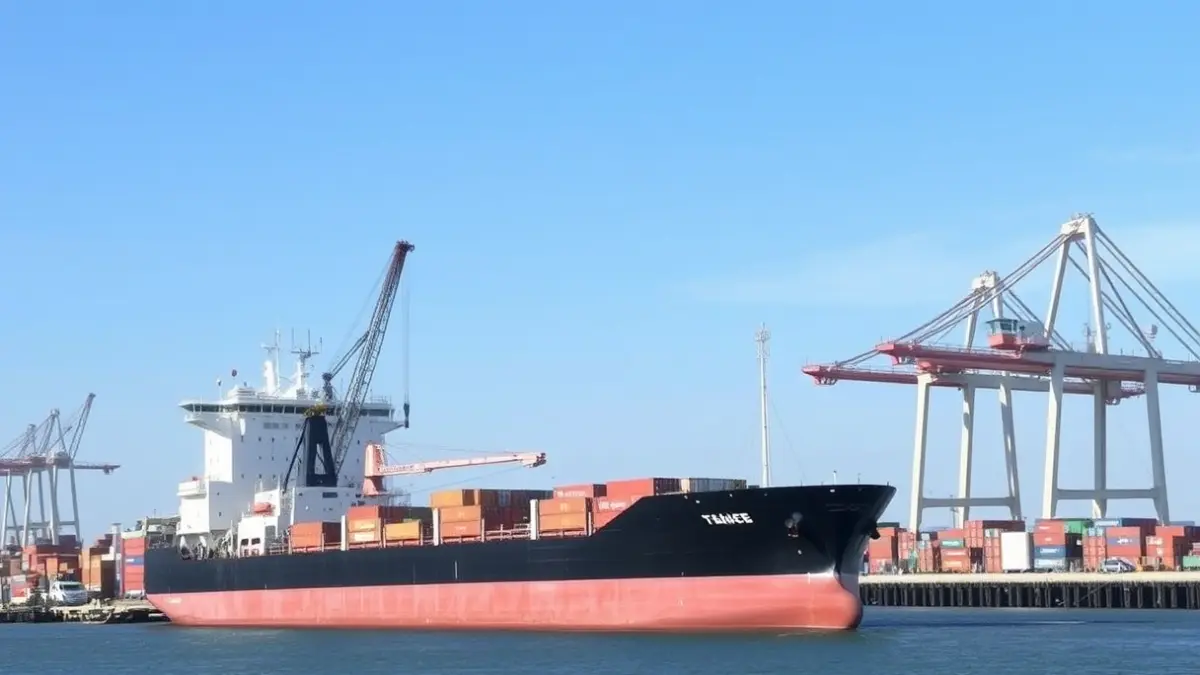
“"The Turkish ship in the port is an absolute absurdity and a blunder given the desperation over the persistent deficit, which neither the express tender nor the competitive tender has managed to alleviate."
A spokesperson for the College of Industrial Engineers of Eastern Canarias has described the proposed power-generating ship as an “absurdity,” noting that installing this floating plant, which would run on diesel and be more polluting, contradicts previous rejections of other gas plants. They also warn of the risk that its operation might not be occasional but permanent, potentially affecting the already congested port's operations.
While acknowledging the current administration's efforts to address the complex inherited situation, there is an insistence that Miteco provide immediate solutions. In the short to medium term, no definitive solutions for Gran Canaria's electricity deficit are apparent, though long-term hopes remain for effective political leadership.