The research, conducted on animal models and published in the journal ‘Brain Behavior and Immunity’, has shown that a strong blow to the head can cause lasting cellular and molecular changes. These subtle changes alter individuals' behavior when facing future stress, particularly in contexts of aggression and social defeat.
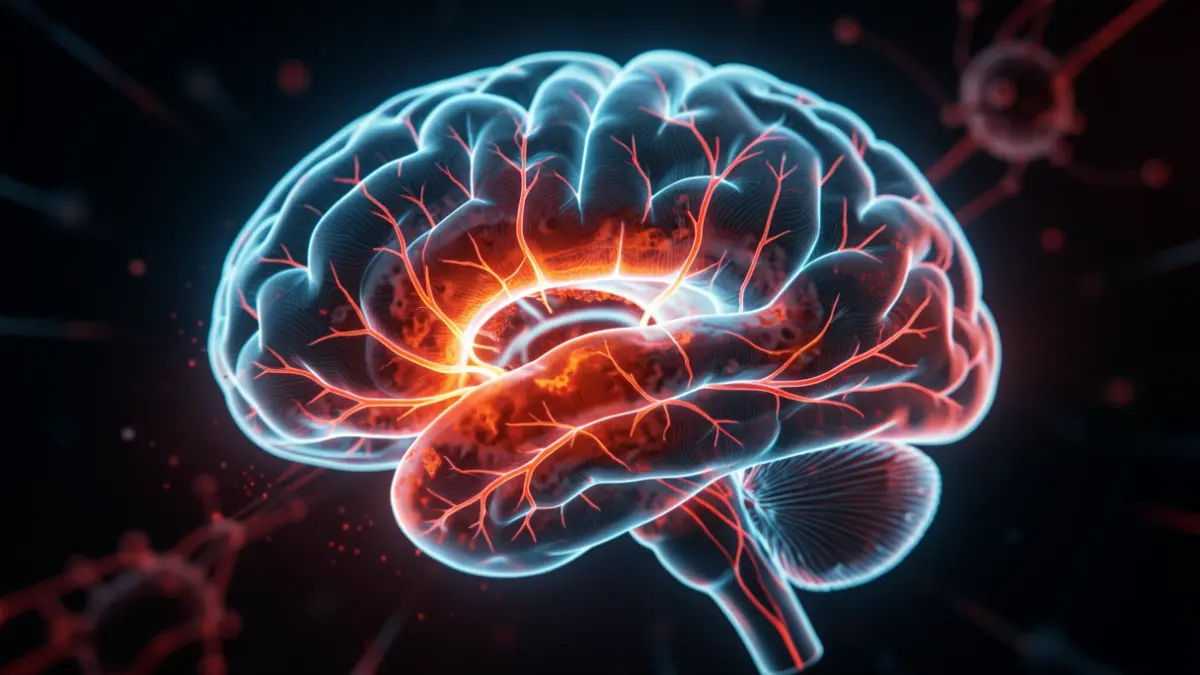
The study indicates that the hypothalamus, a key brain region regulating stress response, reacts differently after a trauma, triggering inflammation. This is associated with anxiety and avoidance behaviors.
Microglia cells, responsible for neuroinflammation, play a crucial role. After injury, these cells appear to acquire 'immune memory,' becoming sensitized and activating more intensely to future stressors, leading to morphological changes and increased production of inflammatory mediators.
Surprisingly, these brain alterations do not correlate with increased blood cortisol levels, suggesting a different brain response to stress than the systemic hormonal one.
The findings, part of the doctoral thesis of researcher Ana Léon, align with clinical data on endocrine alterations in trauma patients, pointing to the hypothalamus and microglia as relevant actors in the underlying mechanisms.