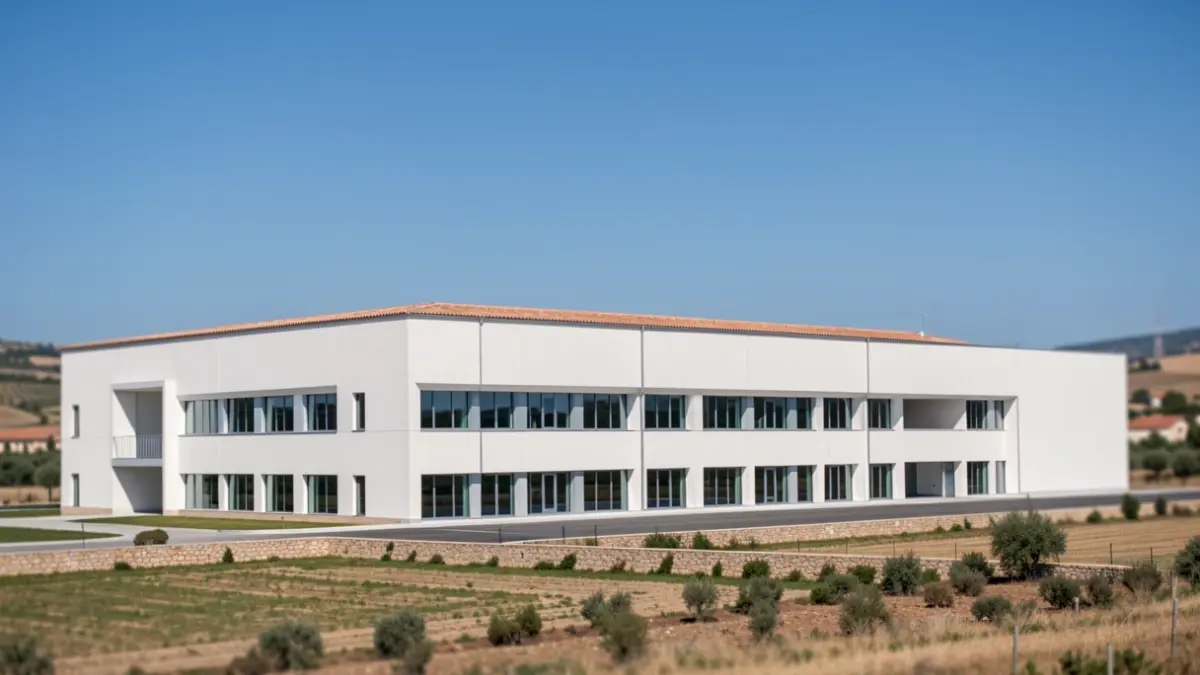
Every night, the Sierra de los Filabres receives light signals that began their journey millions of years ago. Capturing these faint emissions is a key challenge in modern astronomy, and Almería now aims to enhance this capability. The Calar Alto Observatory has put out to tender the purchase of two scientific detection systems to bolster its observation and analysis of the cosmos.
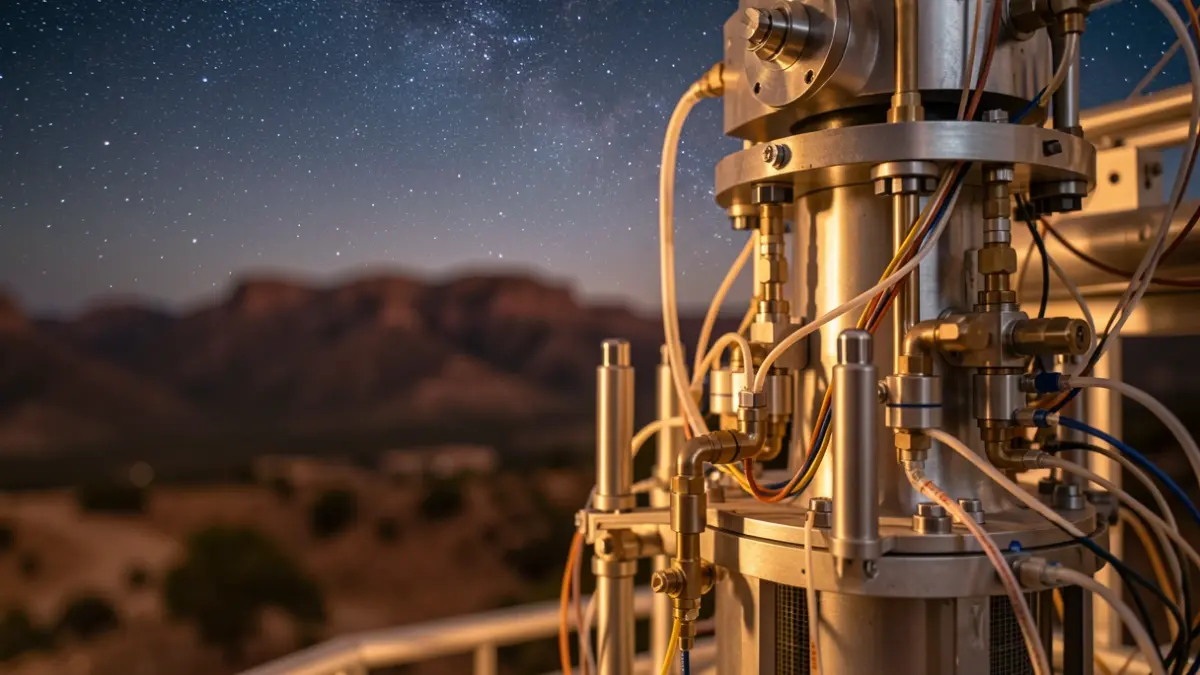
While attention often focuses on the large mirrors and domes of telescopes, astronomical science heavily relies on scientific detectors. These components are crucial for transforming captured light into useful information for researchers. The tender includes the acquisition of two complete high-performance systems, featuring CCD detectors, specialized electronics, cryogenic cooling systems, and advanced software for autonomous operation.
The primary advantage of these new instruments lies in their ability to capture extremely faint signals. In astronomy, increased sensitivity allows for the study of more distant objects, harder-to-observe phenomena, or regions of the universe that have offered limited information until now. The contract's justification document states that the purchase will increase the observatory's scientific image and signal acquisition capacity, facilitating integration with current and future instruments for various research lines.
Initially, the investment was intended for the TARSIS spectrograph of the 3.5-meter telescope. However, the project evolved towards acquiring two independent systems, maintaining the budget but considerably expanding the technological flexibility and future possibilities of the equipment. This operation is supported by a FEDER grant of 904,092 euros, covering 85% of the eligible investment.
The funding comes from state programs for scientific infrastructure and advanced technological equipment, enabling centers like Calar Alto to renew essential tools for international research. Interested companies have until July 9 to submit bids, which will be awarded based on a combination of economic (70%) and technical (30%) criteria. Aspects such as quantum efficiency and detector quality, crucial for capturing information from the universe's most remote corners, will be evaluated.