A recent report by the association Adigital highlights that digital transformation does not impact the economy uniformly. While the service sector, the engine of employment in Andalusia, faces productivity limits due to its reliance on human labor, the industry is achieving a qualitative leap through the adoption of advanced tools.
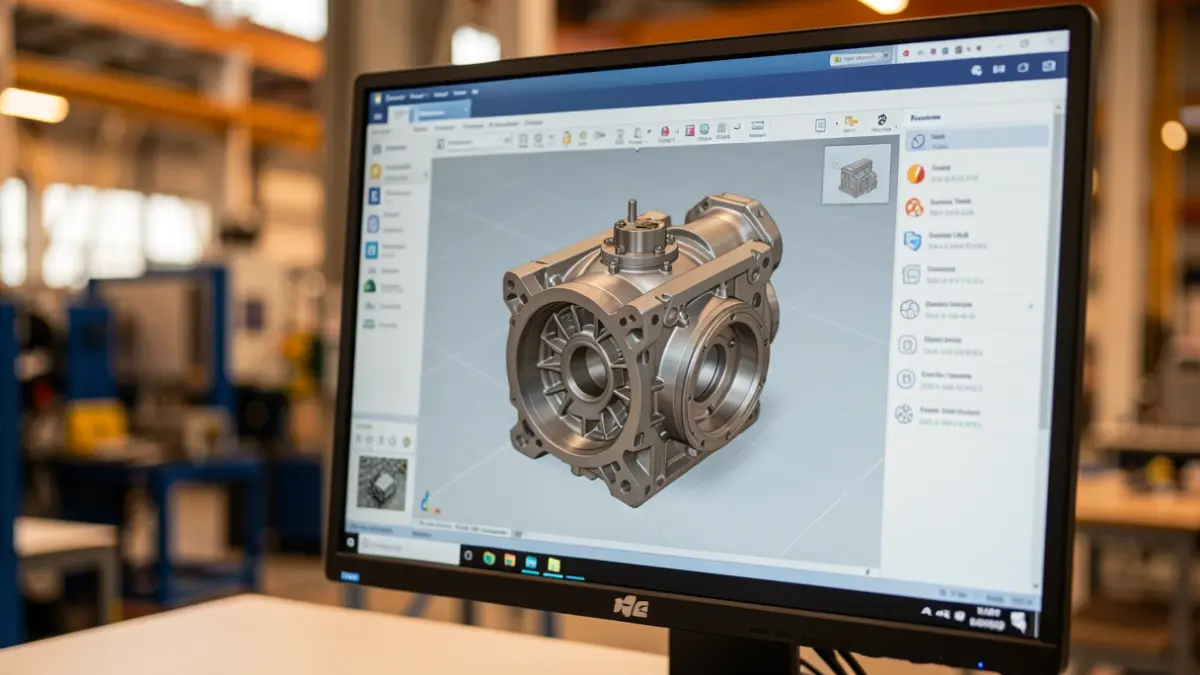
In industrial plants in Seville and other parts of the region, the implementation of IoT sensors, robotics, and digital twins—virtual replicas that allow for process simulation and fault detection—is optimizing resource consumption and preventing costly production downtime. This structural digitalization enables predictive maintenance that sets the sector's competitiveness apart.
The study also focuses on the next labor revolution: agentic AI. Unlike current models, which act as reactive copilots, these new autonomous systems are capable of executing complex missions from start to finish, from travel planning to schedule management, based on global objectives.
The challenge for Andalusian professionals now lies in managing these virtual collaborators. The key to future success will not only be technical mastery, but the development of leadership and ethical supervision skills, allowing human talent to focus on creative and negotiation tasks that machines cannot replicate.