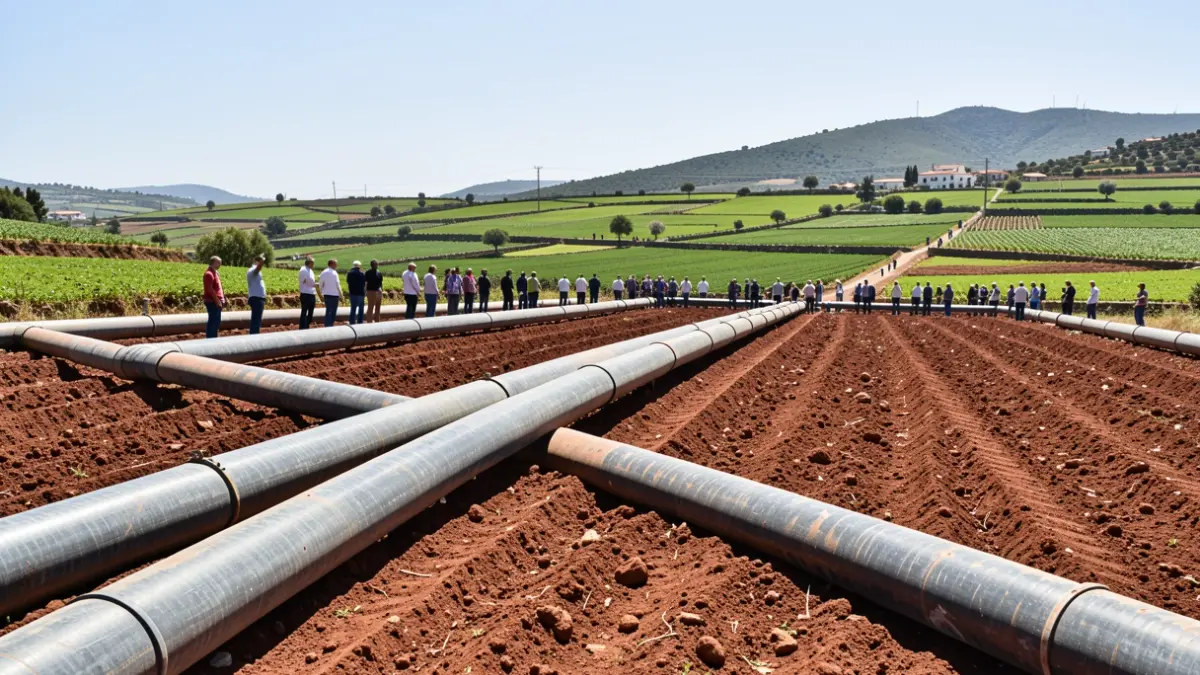
The Strait of Hormuz, a strategic point for global trade, is responsible for the transit of a substantial portion of essential resources. This route handles 20% of global oil, 30% of natural gas, a similar proportion of sulfur (crucial for metallurgy and phosphates), nitrogen fertilizers, aluminum, and helium.
This disruption in the supply chain will have direct repercussions on key sectors such as transport, agriculture, and mining. European consumers may feel the impact on products like medicines, plastics, and food, according to expert projections.
“"It's not that we're going to zero, but we're going to have 20-30% less of all this globally. Those of us with a strong currency will get more, so it will translate into 10-15% less in exchange for famine and despair elsewhere."
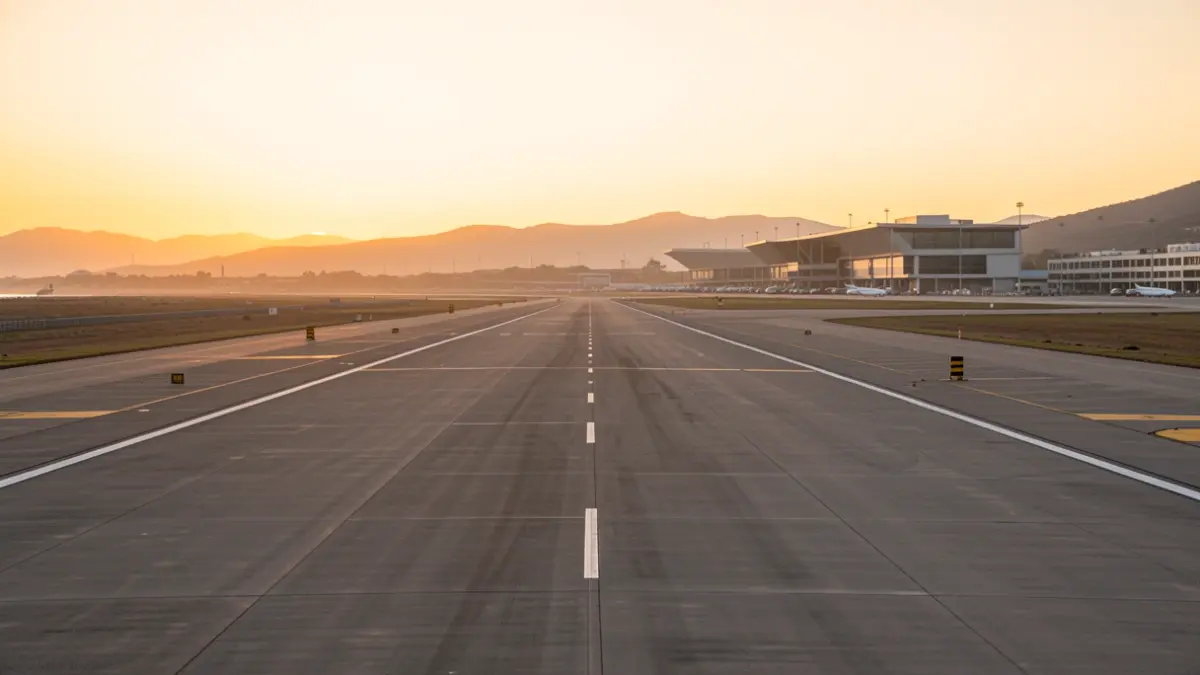
While the scarcity may not directly result in empty shelves in nations with stronger economies, a significant increase in prices is expected. The first sign of this disruption is already visible in kerosene reserves, leading some airlines to cancel scheduled flights. Cuts in diesel supply are anticipated to be the next major challenge.
Even if the situation in Hormuz were to normalize immediately, global trade recovery would take months, exacerbated by damage to some refineries, resulting in a permanent loss of approximately 3% of production. The International Energy Agency had already warned in September about peak oil and gas extraction in most key points, a trend confirmed by the U.S. Department of Energy in January.