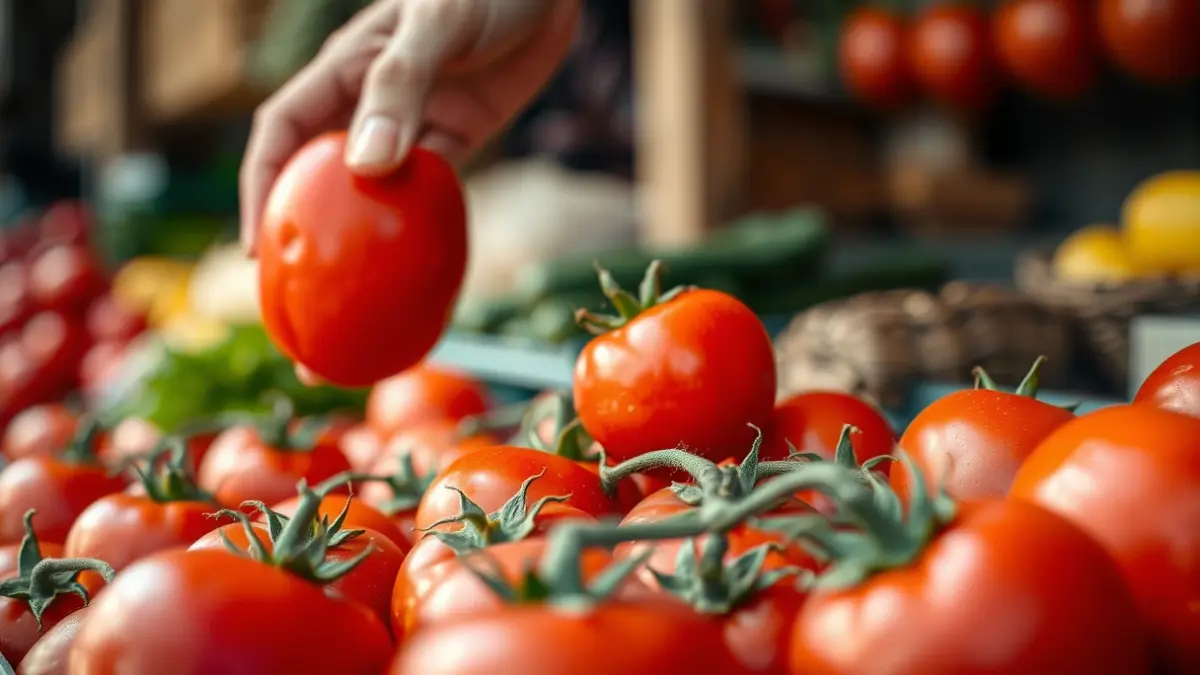
The escalation of prices for garden produce, especially tomatoes, has made the preparation of Cordoban salmorejo significantly more expensive. This increase is partly attributed to the conflict in the Middle East, which has driven up the cost of fertilizers and fuels, directly impacting the primary sector.
“"I'm going to make a beef stew; it will be cheaper than salmorejo."
Tomato prices have reached peaks of up to four euros per kilogram for varieties like pear tomatoes, and up to seven euros for pink tomatoes, when they typically hovered around two euros. This situation has caused concern among consumers, who are reducing their purchases of this staple product.
The hospitality sector in Córdoba has also been affected. While some establishments have adjusted their salmorejo prices, others have chosen to maintain them, accepting a reduction in their profit margins. The hope is that prices will stabilize soon to avoid further increases.
“"The cost of the dish has gone up tremendously, but we can't be changing the menu every other day, and then, if the price drops, lowering it. We have absorbed that cost and continue with the same prices, not earning what we should. We hope it will drop again soon because then we would have to raise it."
The Agricultural Association of Young Farmers of Córdoba (Asaja) has indicated that the Cordoban countryside has faced a considerable increase in production costs for years, including fertilizers, phytosanitary products, and energy. Furthermore, climatic instability and product scarcity due to the end of the greenhouse season contribute to the price hike. The association also denounces an imbalance in the food chain, where farmers do not always receive the high prices paid by the final consumer.