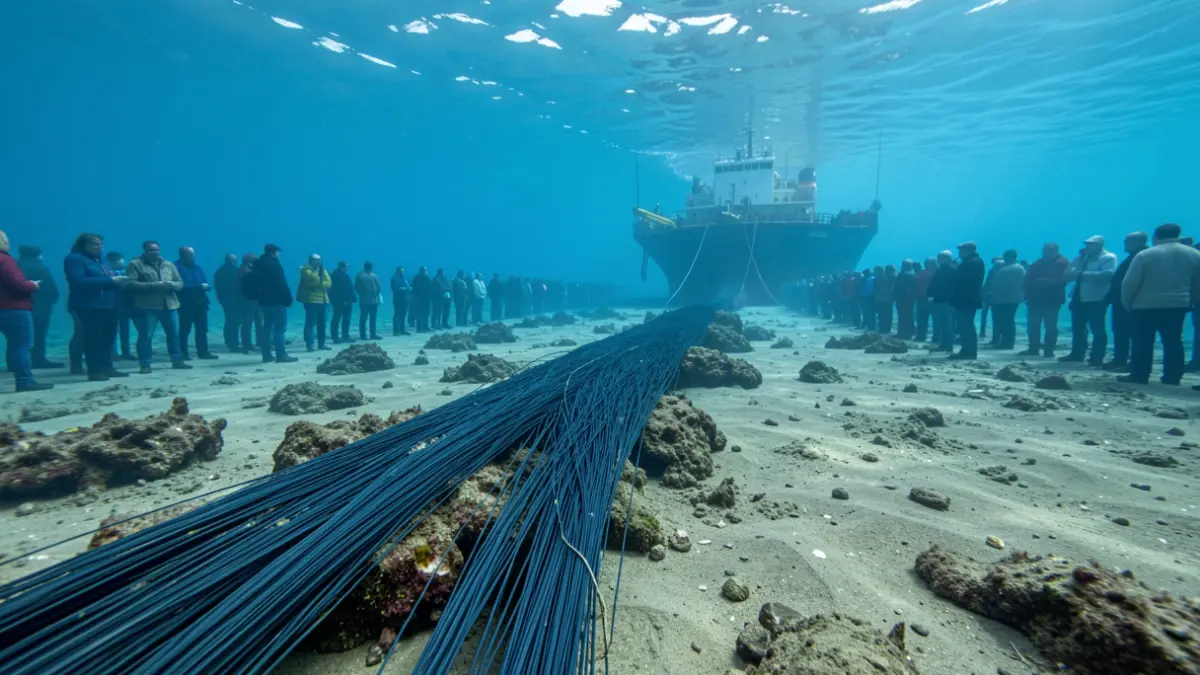
The province of Almería is globally recognized for its extensive greenhouse landscape, a "sea of plastic" that, visible even from space, represents one of Europe's most intensive agricultural systems. This model is characterized by its reliance on solar radiation and favorable climatic conditions for cultivating produce such as tomatoes and peppers.
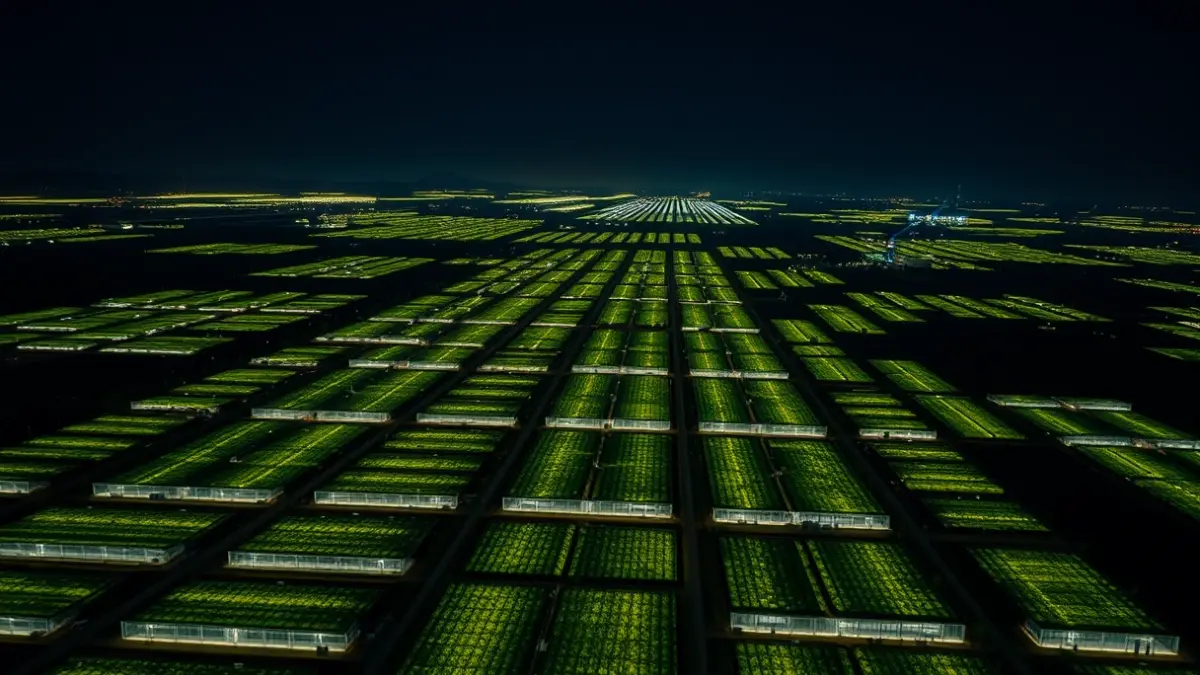
However, NASA has highlighted a different agricultural approach in southern Ontario, Canada. In this region, the production of tomatoes and peppers in greenhouses is carried out intensively, but with a unique feature: activity extends into the night thanks to the use of artificial light.
While Almería's system benefits from natural light, in Canada, it is necessary to compensate for the lack of light for much of the year, especially in winter. To achieve this, Canadian greenhouses incorporate advanced technology such as LED lighting, along with temperature, humidity, and CO₂ control systems, allowing for constant production.
“"Almería turns sunlight into production; Ontario turns night into light to continue producing."
This contrast is notable from a satellite perspective. Almería's "sea of plastic" stands out for its daytime reflectivity, while Ontario's agricultural areas gain visibility at dusk, transforming into a continuous glow that more closely resembles a city than a rural space. This phenomenon has been documented by NASA, which has observed how these facilities modify the region's nighttime light pattern.