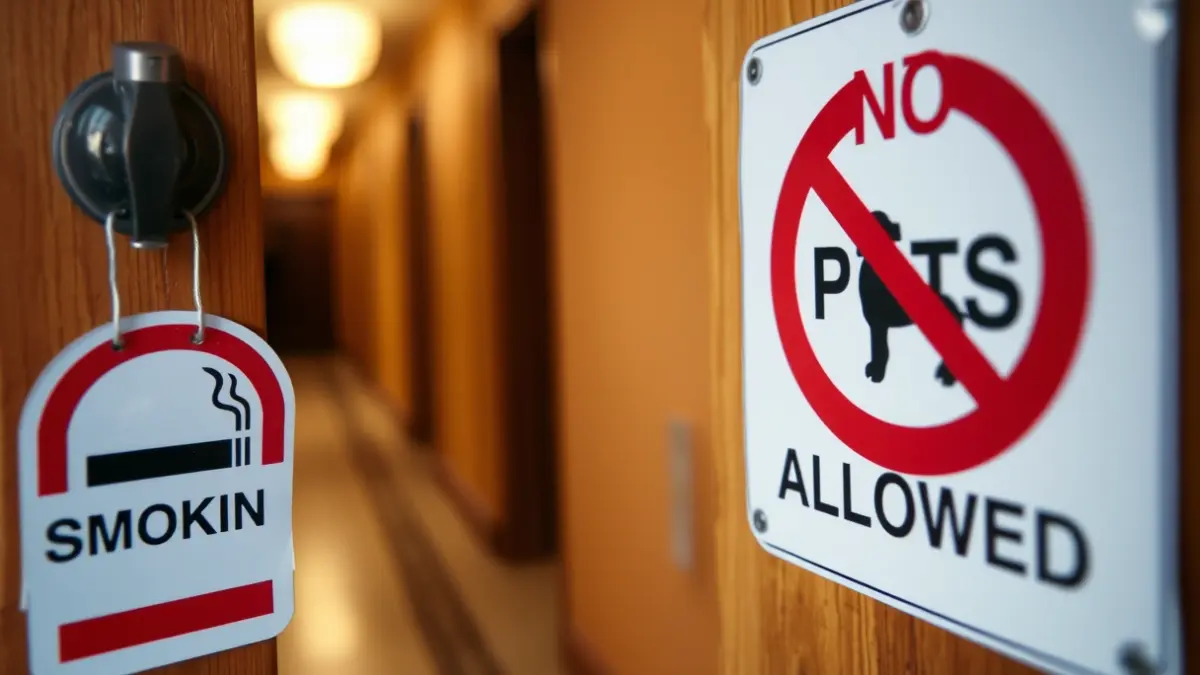
The analysis, based on advertisements published on the platform, reveals that only 5% of the rooms offered in Almería allow pets, while 9% accept smoking tenants. This difference, although not very pronounced, highlights a trend also observed nationwide.
At the national level, 10% of room rental ads admit smokers, compared to 8% that allow pets. This places Almería slightly below the national average in both aspects, although the city aligns with the predominant pattern in most Spanish capitals, where landlords tend to restrict the presence of domestic animals in shared housing.
The main reason for this preference lies in the nature of room rentals, which involves sharing common spaces. In this context, potential damages, odors, or nuisances associated with pets are often perceived as a greater inconvenience than the habit of smoking, which can often be limited to specific areas or the exterior of the property.
There are notable territorial differences across Spain. Cities like Girona (36%), Santa Cruz de Tenerife (32%), or San Sebastián (27%) stand out for their high acceptance of pets. In contrast, in others like Teruel or Segovia, this percentage barely reaches 2%. As for smokers, Melilla leads in permissiveness with 30%, followed by Cáceres (25%).
Almería's position in this study places it at an intermediate point: it is more restrictive than some tourist or northern destinations regarding pets, but it does not reach the lowest levels in the country. The Almería capital remains within the majority group of cities where smokers find more facilities than pet owners, a preference that defines the rules of coexistence from the moment the advertisement is published.