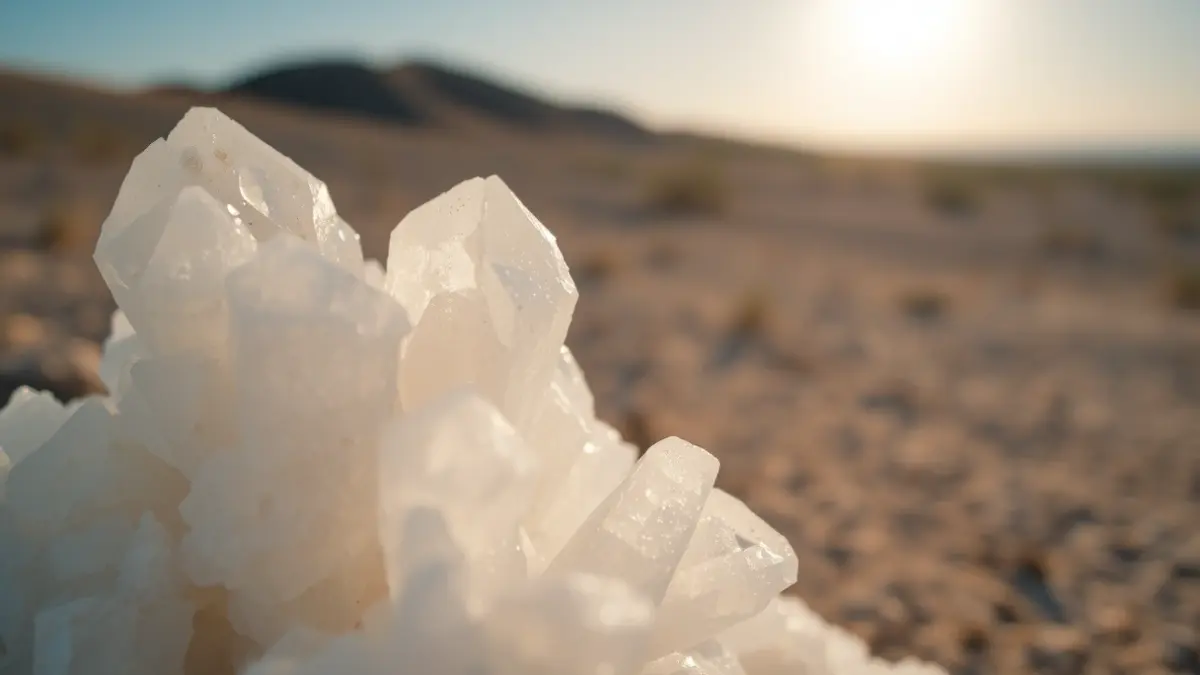
The exceptional concentration of gypsum in Almería, particularly in areas like Sorbas and Tabernas, is the result of a unique geological process. Millions of years ago, the Mediterranean experienced massive evaporation, leaving behind vast layers of this mineral in its inland basins.
This phenomenon intensified during the Messinian Salinity Crisis, a period when the Mediterranean became almost isolated from the Atlantic. Evaporation exceeded water input, drastically reducing the sea's volume and favoring the massive precipitation of salts, including gypsum.
Unlike other regions, in Almería this process was repeated multiple times, with cycles of sea ingress and retreat that generated superimposed layers of the mineral. This led to deposits up to 100 meters thick, explaining the extraordinary volume of gypsum present in the province.
In addition to its abundance, Almerian gypsum stands out for its purity, reaching up to 94% in some cases. This high quality makes it a very efficient material for industrial uses, reducing transformation costs and making it attractive for sectors such as construction, cement, and agriculture.
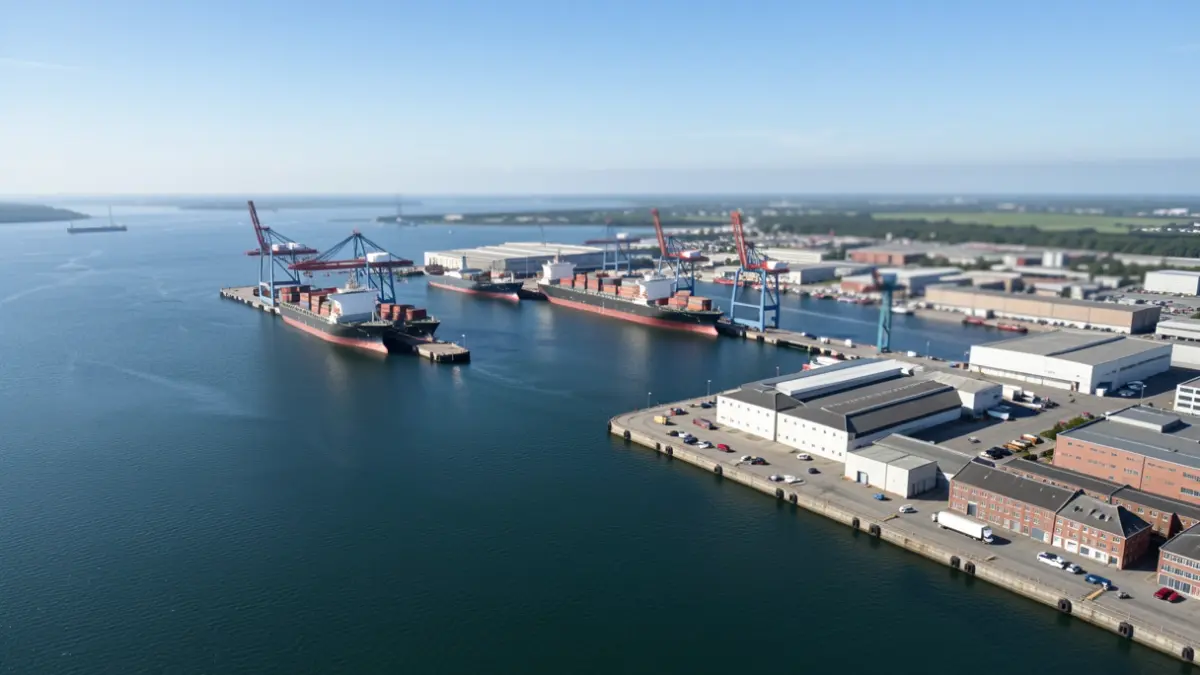
Currently, Almería is the main gypsum extraction area in Europe, contributing around 70% of national production. Millions of tons are exported annually from the ports of Almería, Carboneras, and Garrucha to destinations such as the United States and Canada, solidifying its position in the international market. Current reserves guarantee decades of activity, with projections of sustainability for generations if the current extraction rate is maintained.