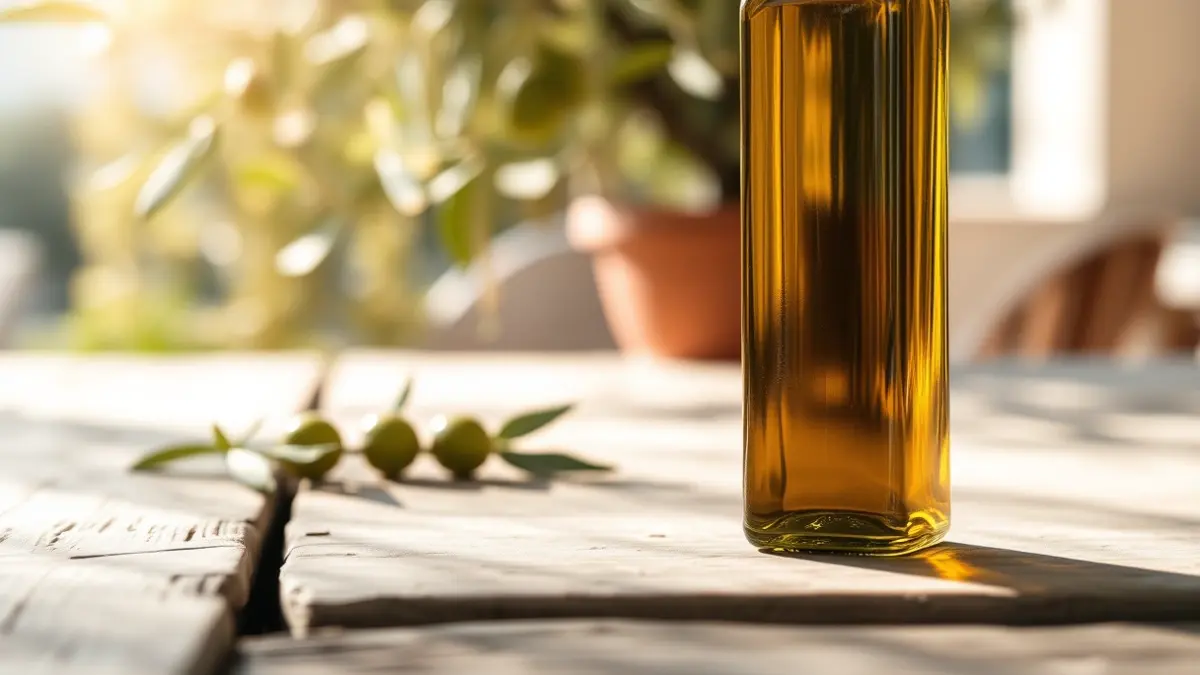
With an olive grove area exceeding 3,000 hectares, Beas annually harvests between 13 and 14 million kilograms of olives, resulting in approximately two million liters of EVOO. This production volume, coupled with the excellence of its oils, has positioned the municipality as a leader in the sector.
The Olibeas cooperative, a pioneer in the province, has been a key driver of this success, accumulating 11 awards in the 2021-2022 campaign alone. Its most recent accolades include a Gold Medal at the London International Olive Oil Competitions (London 100C) for its Picual EVOO, which also won golds in Virtus-Lisboa and Berlin.
The history of olive cultivation in Beas dates back over 3,000 years, with the arrival of the Phoenicians to the Tierra Llana de Huelva. By the 16th century, oil produced in the area was already being exported to the Americas, a fact highlighted by Pascual Madoz in his Diccionario Geográfico-Estadístico-Histórico de España in 1847. This tradition and the knowledge of its farmers have been fundamental to the sector's development.
The Cooperativa del Campo San Bartolomé, founded in 1942, was the first of its kind in the province and now brings together all local producers. The cooperative remains at the technological forefront, using a continuous milling system that ensures the highest quality of the oil, obtained from varieties such as Verdial, Picual, and Arbequina, milled on the same day of harvest.