
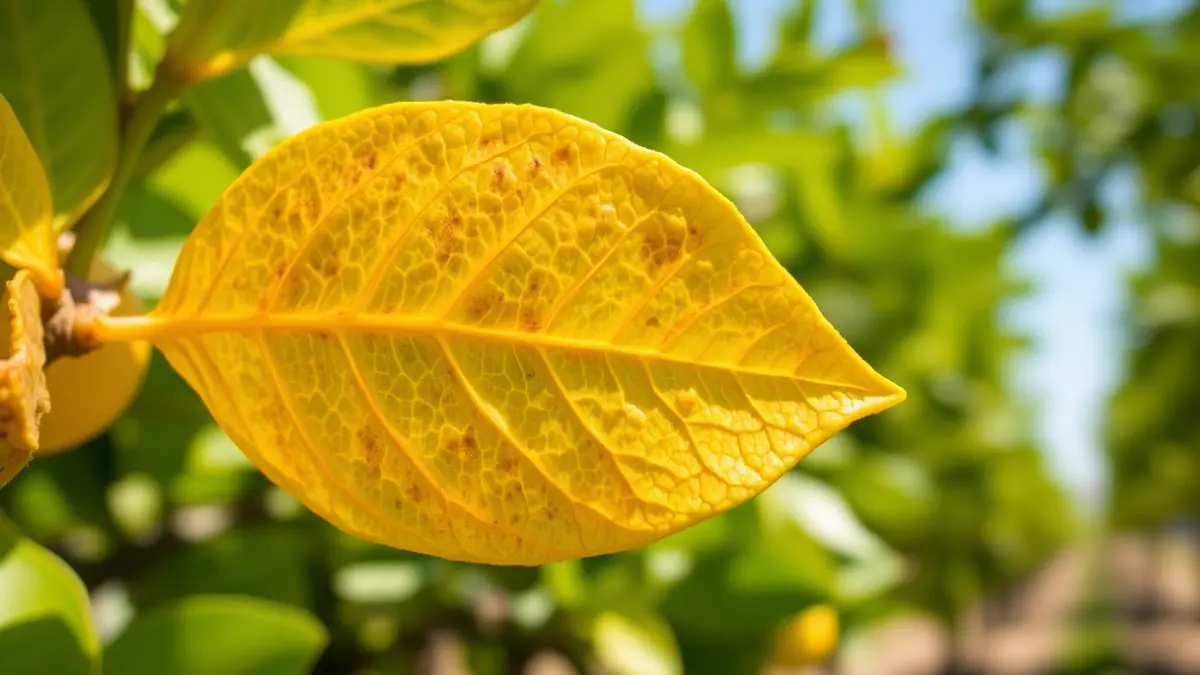
The pathogen has been located in seven recently planted plots in Alicante, which, according to the organization, highlights the need to strengthen surveillance of plant material. Although the most visible symptoms are recorded in lemon trees, the virus can be present asymptomatically in other varieties, complicating its detection and control.
ASAJA Alicante maintains that the origin of the problem lies in the commercialization of already infected plants. A spokesperson for the organization states that seedlings sold in 2024 and 2025 were already infected, carrying the virus, which indicates a clear failure in control and supervision.
“"If the virus enters the field, it is because the control system failed beforehand."
The agricultural organization insists that the problem's focus is in nurseries, and therefore demands immediate, rigorous, and forceful inspections of plant material from the regional administration. They consider the response to have been late to a threat that could have been contained at its origin, and thus, they demand accountability and a strengthened control system to prevent new cases.
The appearance of the virus represents a new burden for the agricultural sector, which already faces high production costs, bureaucratic pressure, and uncertainty. A representative of the organization laments that farmers cannot continue to pay the consequences of poor management and plant health problems.
Although the regional administration has proposed measures such as the uprooting of affected plots and future compensation, the organization believes these actions are insufficient if not accompanied by speed, guarantees, and coordination between territories. In this context, ASAJA Alicante calls for the involvement of the Ministry of Agriculture and coordination with other communities, as seedlings from Catalonia may have reached different citrus-growing areas of the country.