
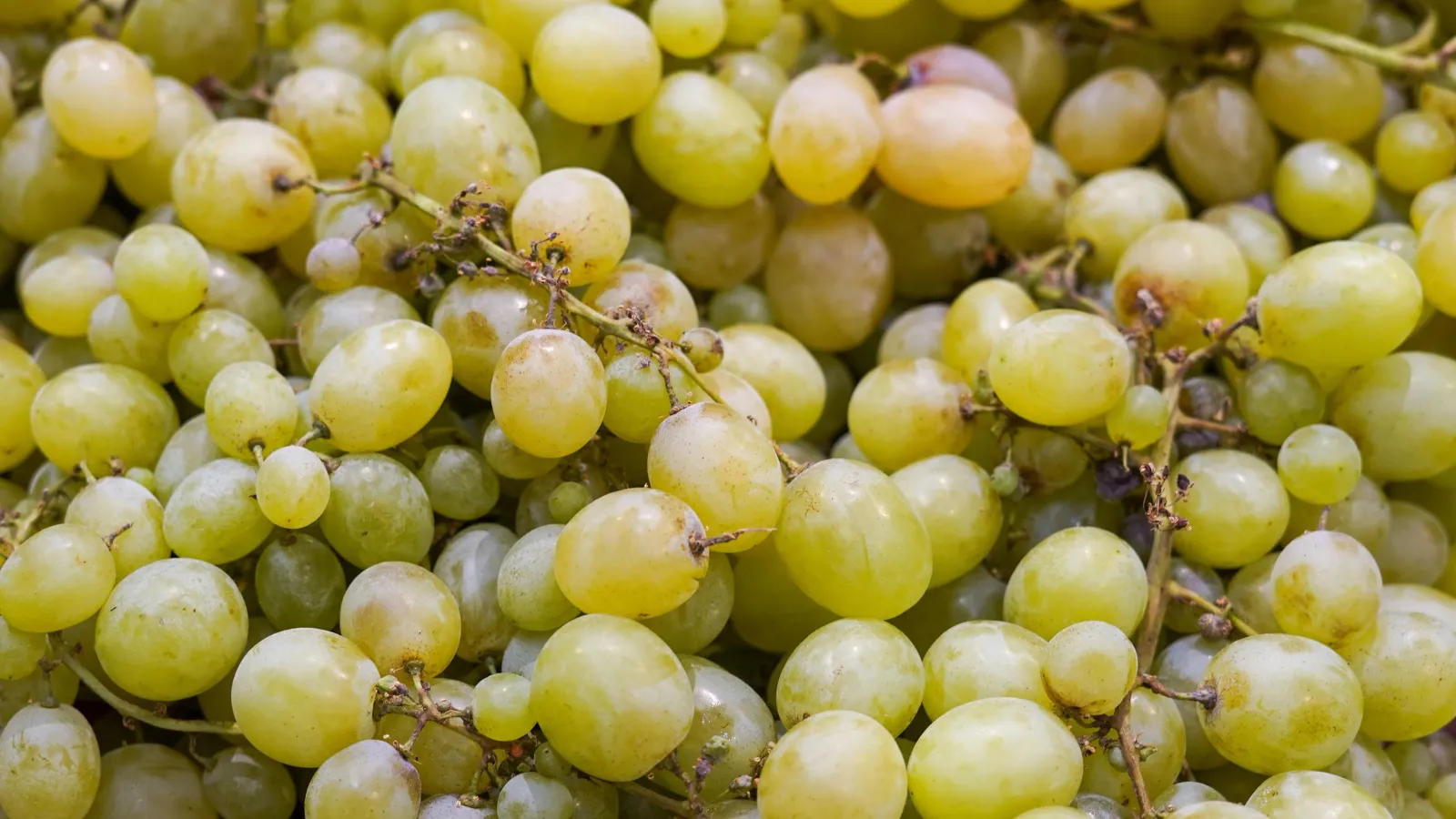
Two companies linked to the University of Valencia (UV) Science Park, ValGenetics and Madeinplant, together with the Institute of Molecular and Cellular Plant Biology (IBMCP-CSIC), will investigate the use of CRISPR-Cas technology to obtain a new line of the Aledo grape variety, emblematic of the Vinalopó region, preserving its agronomic and commercial characteristics. The initiative is funded by the Valencian Innovation Agency (AVI) and the European Union.
The UVANOVA project aims to develop a seedless line of the Aledo variety using genomic editing techniques. The objective is to combine advances in plant biotechnology with the conservation of the properties that characterize one of the most representative table grape varieties of the Protected Designation of Origin (DOP) of the Vinalopó.
The Aledo variety is part of the agricultural and productive identity of the Vinalopó, an Alicante region with a long tradition in table grape cultivation. Consumer preferences are evolving towards the demand for seedless grapes, both in the national and international markets. UVANOVA proposes to investigate an alternative that allows adapting the Aledo variety to these new demands without renouncing its attributes.
The main innovation of UVANOVA lies in the use of CRISPR-Cas, a genomic editing technology that allows targeted modifications in specific regions of the DNA. This tool allows for more precise action on certain genes related to the development of seeds in the said variety.
One of the fundamental steps of UVANOVA will be to develop an in vitro plant regeneration protocol that allows obtaining complete plants from cells subjected to the genomic editing process. This procedure is essential for transferring the results of genetic editing to whole organisms that can be studied and multiplied.
UVANOVA is developed through the collaboration of ValGenetics, Madeinplant (incubated at AgrotecUV), and the IBMCP-CSIC. The participation of companies linked to the UV Science Park reflects the importance of connecting scientific knowledge with business initiative for the agricultural sector.