A team from the Mediterranean Agroforestry Institute at UPV has identified the mechanism of action of the 2,4-D hormone, which helps strengthen the fruit's skin. This discovery complements pioneering studies from the 1990s and offers a solution to one of the main problems in the global citrus sector.
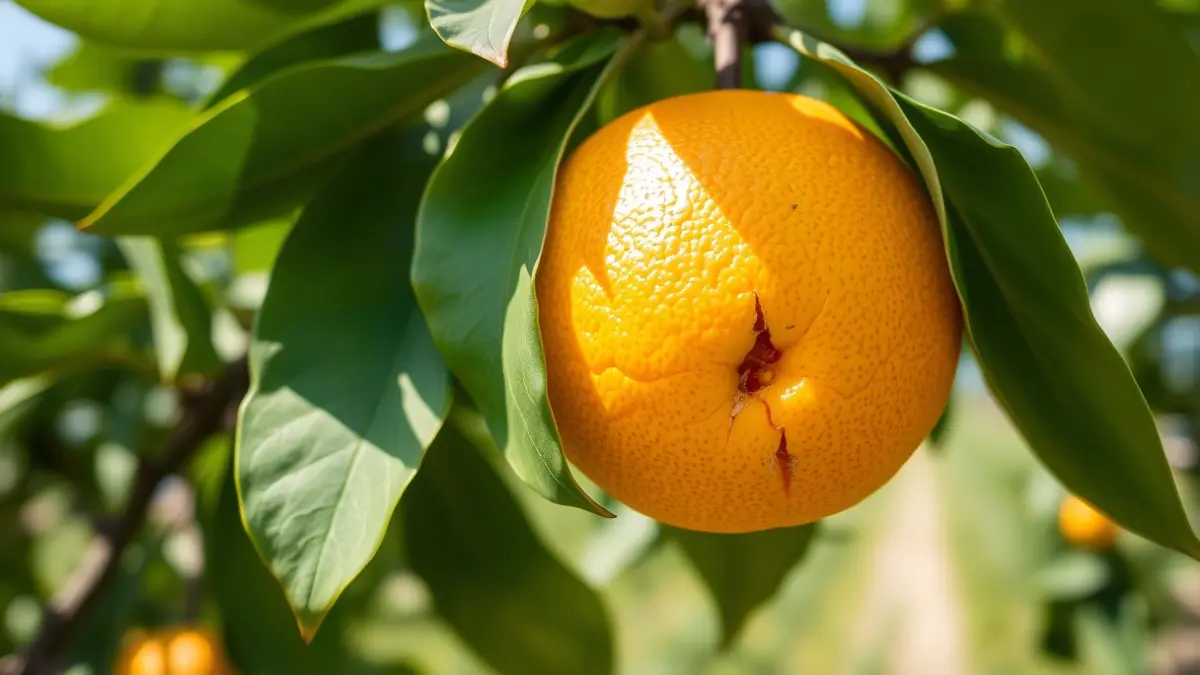
Cracking occurs when the fruit's pulp grows faster than its skin, typically after the first autumn rains. If the peel does not expand at the same rate, it breaks, leading to losses that can reach 40% of the harvest in mandarin varieties like Nova and some orange types such as Navel.
“"Oranges and mandarins may seem like resistant fruits, but those with very thin skin tightly attached to the pulp are very vulnerable to a problem that greatly concerns farmers, which is their cracking. When the fruit's pulp grows faster than its skin, the peel cannot withstand the pressure and a crack appears, ultimately leading to fruit cracking. These fruits can no longer be sold, causing significant economic losses year after year."
The study, conducted in commercial Nova mandarin plantations in the Valencian Community, reveals that applying 2,4-dichlorophenoxyacetic acid (2,4-D) at a specific stage of fruit development can reduce cracking by up to 70%, without affecting size or quality. This method significantly increases the final crop yield.
The secret lies in strengthening the fruit's skin from within. Thanks to the treatment, the peel cells become larger, more flexible, and have thicker walls, allowing the skin to stretch better as the fruit grows. The key is to apply the product at the right moment, when the fruit begins its linear growth phase, and not necessarily in large quantities.