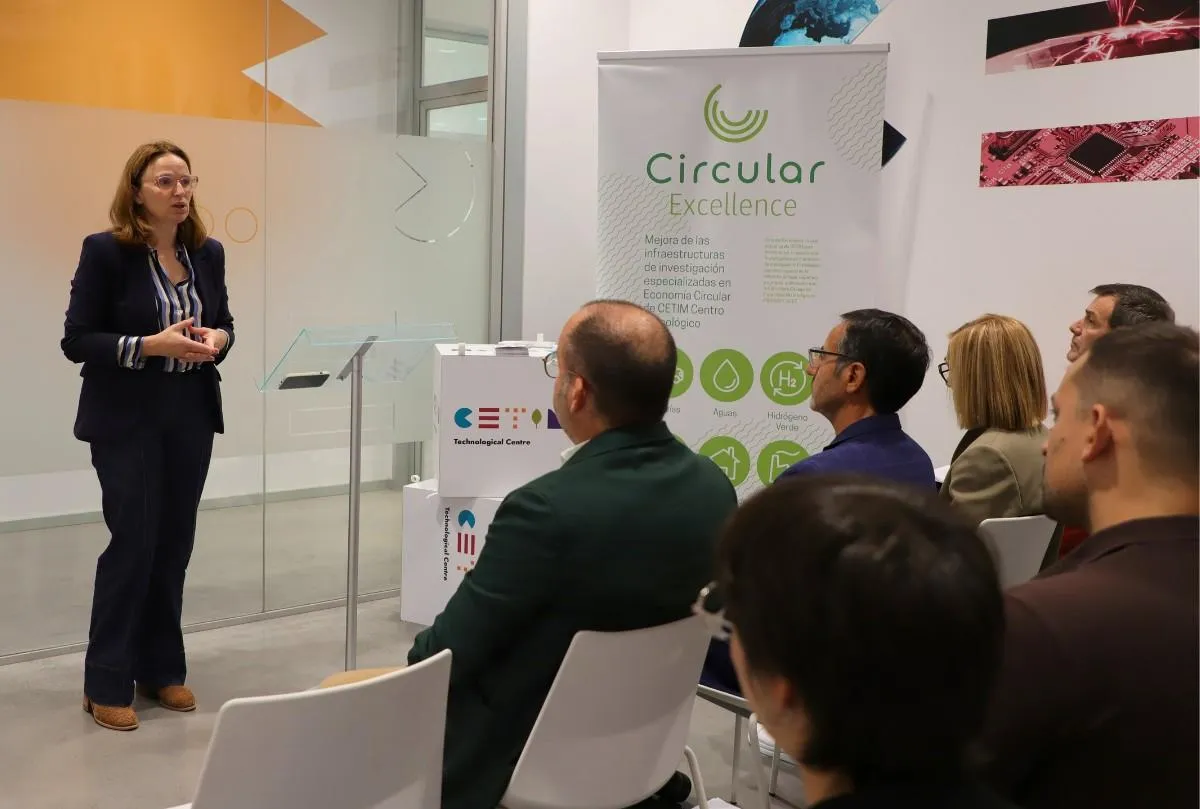
Researcher Estéfani García Ríos, from the Institute of Sciences of Vine and Wine (ICVV-CSIC), has presented the latest advances in her research line on mycoviruses at IATA-CSIC. These viruses, which infect fungi, can have a significant impact on the characteristics of the yeasts that host them.
During her stay at IATA, García Ríos gave a seminar titled "The Hidden Virome of Yeasts: Diversity, Evolution, and Phenotype." The session presented findings from the study of RNA viruses present in yeasts of the subphylum Saccharomycotina, with a particular focus on the genus Saccharomyces and its relevance in fermentation processes.
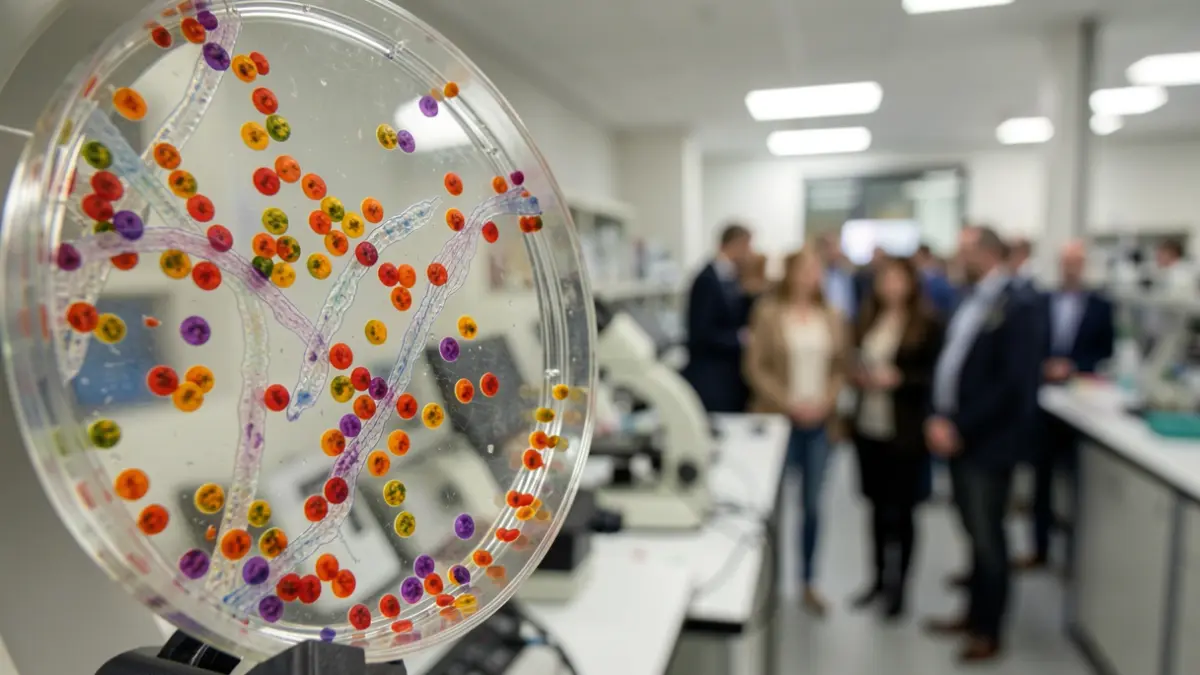
Mycoviruses are widespread elements in fungi, but knowledge about their diversity and effects remains limited. The research analyzes yeast collections from various species and origins to determine which viruses are present, how they are distributed, and their relationship with yeast ecology and evolution. It has been observed that genetic elements external to chromosomes are a little-explored source of variation in Saccharomyces yeasts, and the distribution of certain mycoviruses is linked to the ecological origin of the yeasts.
One of the key points of the study is to determine the effect of mycoviruses on host yeasts. The comparison between yeasts with and without mycoviruses has shown that they contribute to phenotypic variation, modifying physiological characteristics. The elimination of a mycovirus can alter multiple host traits, depending on the yeast strain and the specific virus. The most frequent mycoviruses are also those that generate broader effects, capable of globally modulating yeast physiology, including fermentation, stress adaptation, and competitive ability.
These results suggest that the virome may be an additional source of diversity in yeast populations, and that extrachromosomal genetic elements could play an important role in generating phenotypic variation of biotechnological interest.
Estéfani García Ríos's career is deeply linked to the study of yeasts. A graduate in Biotechnology from the University of León and a PhD from the University of Valencia, she began her research career at IATA-CSIC studying the adaptation of wine yeasts to low temperatures. Subsequently, she expanded her expertise in virology at the National Center for Microbiology of the Carlos III Health Institute. Since 2023, she has returned to IATA as a distinguished researcher, initiating a line focused on mycoviruses.
Currently, as a Tenured Scientist at CSIC in ICVV-CSIC, her research focuses on the diversity and evolution of mycoviruses, their interaction with yeasts, and their role in phenotypic variation. Her current stay at IATA has allowed her to resume collaboration with the institute and its research staff on this line connecting virology, microbiology, and yeast biotechnology.