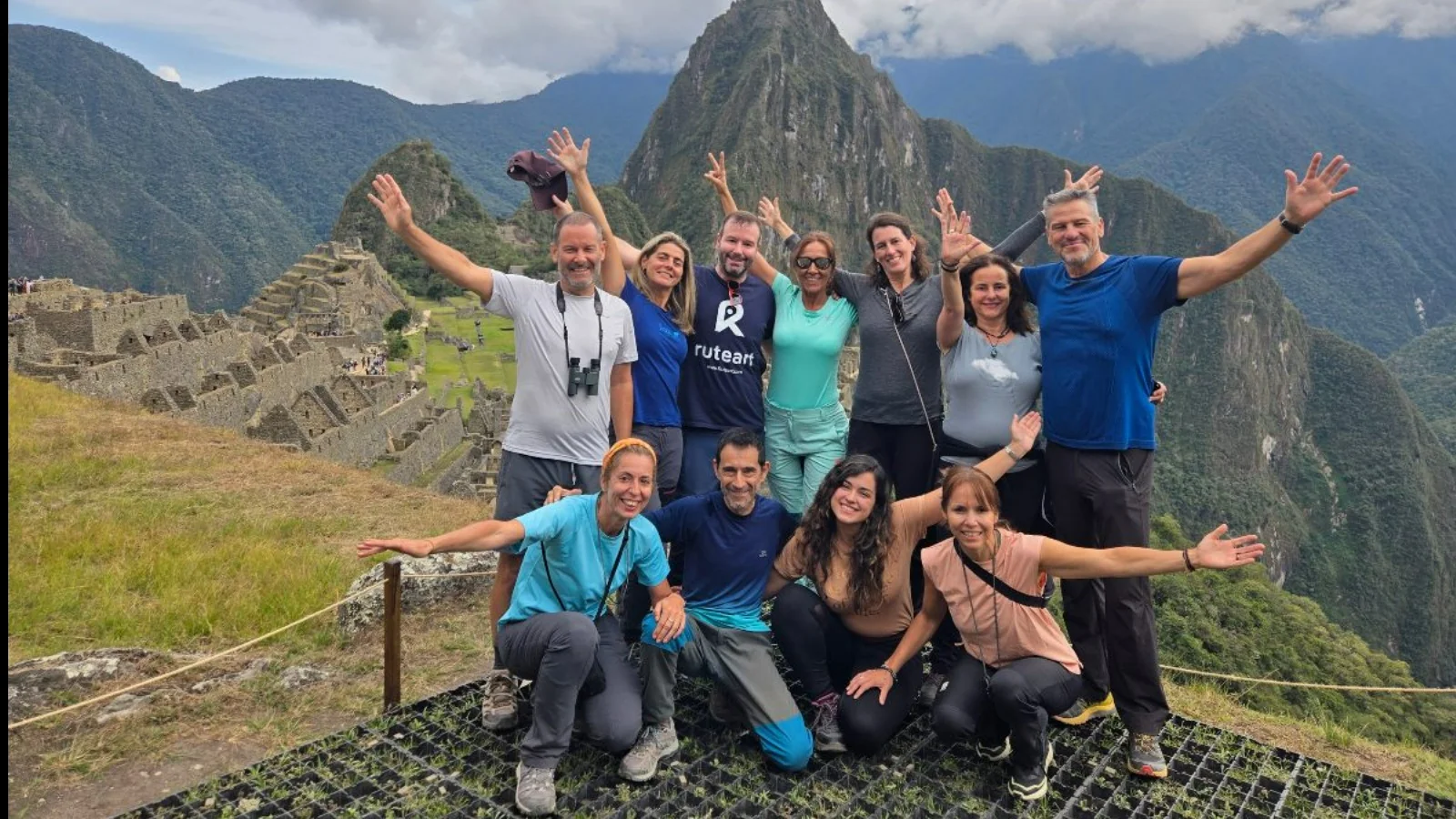
Ángel Medina Vayá, Distinguished Researcher of the Ramón Areces Foundation in the Postharvest Physiology, Pathology and Biotechnology group at the Institute of Agrochemistry and Food Technology (IATA-CSIC), has headlined a new session in the center's Seminar Series. In his talk, titled “From studying grapes to traveling through time: an unexpected scientific career,” he reviewed his career, from initial studies on fungi associated with various fruits to his current work on mycotoxins, grape production, and climate change.
The session, held in the IATA Auditorium, allowed research staff to learn about Medina's scientific journey and the questions that have shaped his career. Medina's early work focused on the study of Aspergillus tubingensis and its ability to produce ochratoxin A. Later, during his postdoctoral stage at the University of Cranfield (United Kingdom), he expanded his research into the ecophysiology of mycotoxin-producing fungi and the effect of different environmental conditions on their growth and production.
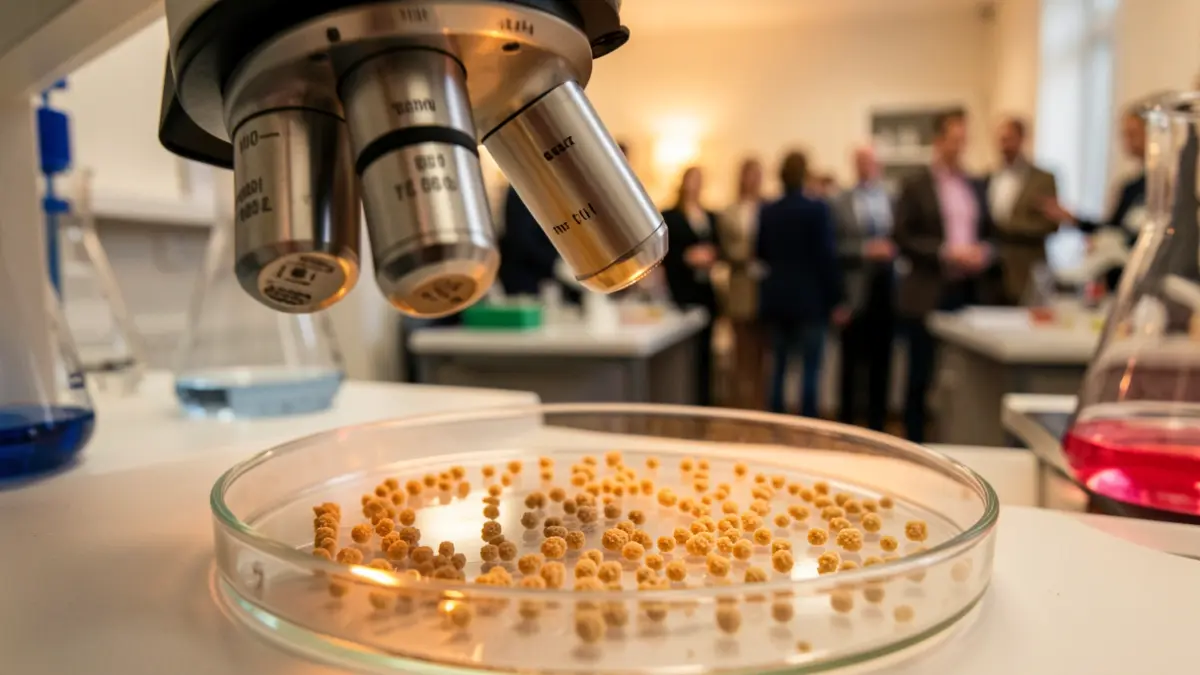
During his nearly 18 years at Cranfield, Medina developed projects related to the study of fungal inhibitors and the influence of environmental factors on fungicide efficacy. He also addressed the study of the fungus Fusarium langsethiae in oats and Aspergillus flavus, a major producer of aflatoxins.
A significant part of the talk was dedicated to his most recent research on how climate change may alter the presence and behavior of mycotoxigenic fungi. Medina Vayá presented studies aimed at anticipating the evolution of these communities and the consequences of changes in environmental variables such as temperature, water availability, or CO₂ concentration on mycotoxin production.
This research line is relevant for food safety, as mycotoxins can remain in food even when conditions are no longer favorable for the fungi that produce them. Medina Vayá emphasized the need to anticipate risks associated with new environmental conditions and develop strategies to reduce food contamination.
His incorporation into IATA-CSIC will allow this approach to be applied to viticulture through the project “Fungal competition and mycotoxigenic risk in Spanish vineyards under climate change: towards sustainable viticulture.” Over the next five years, research will focus on how fungal communities in Spanish vineyards may change under different climate scenarios and how these modifications could affect mycotoxigenic risk and wine quality.
Ángel Medina Vayá holds a PhD in Microbiology from the Universitat de València, where he received the Extraordinary Doctoral Thesis Award in 2008. After a period in the food industry and a postdoctoral stay at the University of Cranfield, he pursued his research career for nearly 18 years at this British institution, eventually becoming Professor of Applied Mycology and Director of the Magan Centre of Applied Mycology. He has participated in and led national and international projects, published over 150 scientific articles, and received the Berkeley Award from the British Mycological Society in 2020.