After nearly two decades of research career in the United Kingdom, Medina returns to Spain to head a new line focused on the impact of climate change on mycotoxin-producing fungi, a key challenge for food safety. His incorporation will enable the development of the project «Fungal Competition and Mycotoxigenic Risk in Spanish Vineyards under Climate Change: Towards Sustainable Viticulture», funded by the Ramón Areces Foundation and lasting five years (2026-2031).
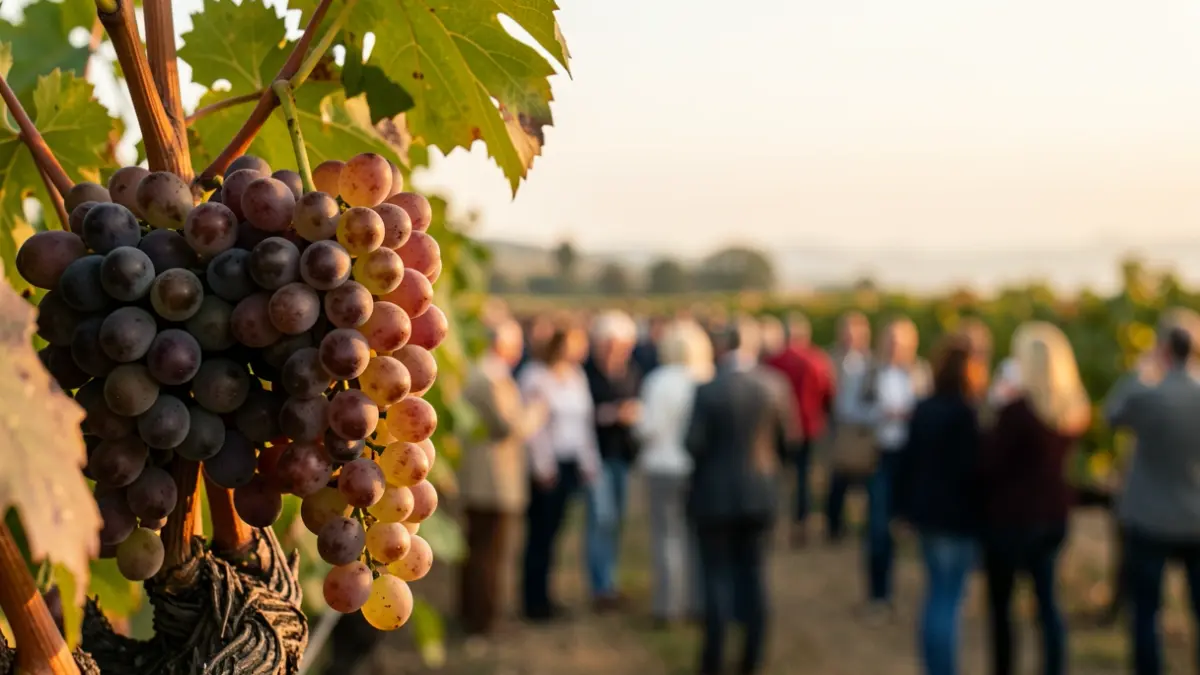
The project will analyze how rising temperatures, changes in water availability, and increased atmospheric CO₂ modify fungal communities in Spanish vineyards. These changes could favor species capable of producing mycotoxins, toxic compounds that pose a risk to food safety and are difficult to eliminate once present in food.
“"Climate change not only modifies which fungal species are present in a vineyard but also how they interact and their capacity to produce mycotoxins. Understanding these relationships is fundamental to anticipating risks and developing more effective prevention strategies."
The IATA team will characterize fungal communities, analyze competition between toxigenic and non-toxigenic species, and assess the effect of different climate scenarios on fungal development and mycotoxin production. Based on these results, predictive models will be created to estimate mycotoxigenic risk under future climatic conditions.
These models will serve as support tools for the wine sector, helping to optimize phytosanitary treatments, reduce fungicide use, and anticipate regulatory changes regarding mycotoxins such as ochratoxin A. "We want to provide predictive tools that allow the sector to anticipate the effects of climate change and move towards safer wine production," Medina notes.
Ángel Medina earned his PhD in Microbiology from the Universitat de València in 2007, recognized with the Extraordinary Doctorate Award. After a period in the food industry, he moved to the University of Cranfield (United Kingdom), where he became a professor of Applied Mycology and led the Environmental Sustainability area. He also founded and directed the Magan Centre of Applied Mycology (MCAM), an international reference center for research on fungi and food safety. His career includes participation in European projects like MyToolBox and MyMatch, and he has published over 150 scientific articles.