The system, launched in November of last year, aims to offer an advanced model of cardiological care in Spain. As highlighted during its presentation, this initiative is already contributing to saving and extending lives, granting greater freedom to patients with heart conditions.
CardiologIA Madrid 365 is designed to serve the approximately 600,000 Madrid residents for whom the Hospital Ramón y Cajal is the reference center. It allows for continuous clinical monitoring, 24 hours a day, 365 days a year, for individuals with conditions such as heart failure, arrhythmias, ischemic heart disease, or those at risk of developing them. The platform anticipates potential complications using technology based on the Internet of Things (IoT) and Artificial Intelligence (AI).
Through the Virtual Health Card, patients access the CardiologIA application. From this app, the medical team monitors crucial data for cardiovascular health, including weight, glucose levels, blood pressure, or oxygen saturation. Users can input this information manually or via connected devices that facilitate home monitoring.
The professional team at CardiologIA Madrid 365 conducts the follow-up with AI support. Upon detecting a high-risk situation, actions such as teleconsultations, treatment adjustments, urgent referrals, specialist evaluations, or direct coordination with the regional Emergency Medical Service (SUMMA 112) are immediately activated. Additionally, patients can follow rehabilitation programs from home and receive medication reminders.
This pioneering resource of Madrid's public healthcare system, which has a regional investment of 2 million euros, has managed over 11,486 clinical alerts since its inception, nearly 400 of which were classified as critical. Currently, the system cares for 28,000 individuals, with plans to expand the number of simultaneously monitored patients to one thousand in the coming months.
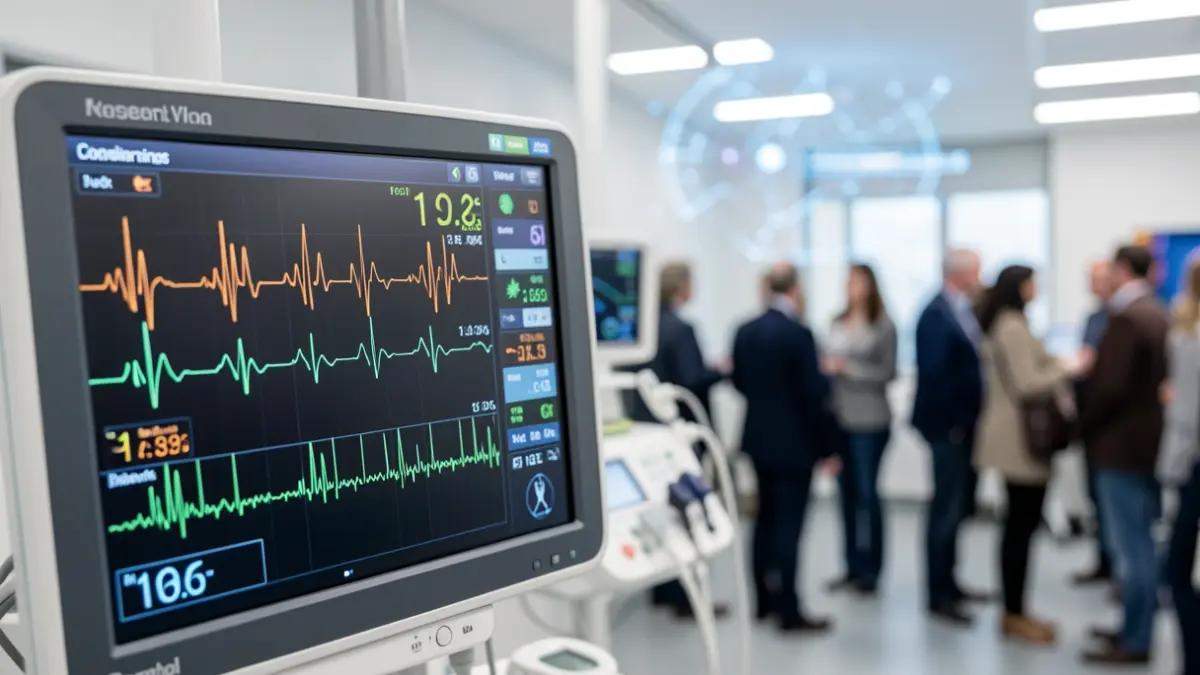
The control center of CardiologIA Madrid 365, operating with 10 workstations for medical and nursing staff and a 22-square-meter high-resolution screen wall, is the core of the system. From here, the team visualizes the clinical status of beneficiaries in real-time, receives individualized alerts, and consults the AI model's predictions.
The platform integrates various information sources, including electronic health records, laboratory results, electrocardiography, and cardiological imaging, along with continuous monitoring through wearable devices such as smartwatches, blood pressure monitors, and scales. Direct communication with users is facilitated through the Virtual Health Card, which includes a specific channel with personalized educational content.
The system automatically generates approximately 160 types of clinical alerts, categorized by risk level, to guide medical intervention before clinical deterioration becomes irreversible. This enables immediate referral to medical professionals, promoting rapid, proactive, comprehensive, and preventive care.
Beneficiaries can communicate with the CardiologIA Madrid 365 team, receive prompt responses to any alarm signals, and access 75 personalized educational videos, helping to reduce the uncertainty and fear associated with long-term chronic conditions. The project, funded by Next Generation Funds, establishes the Hospital Ramón y Cajal as a national and international benchmark in clinical innovation.