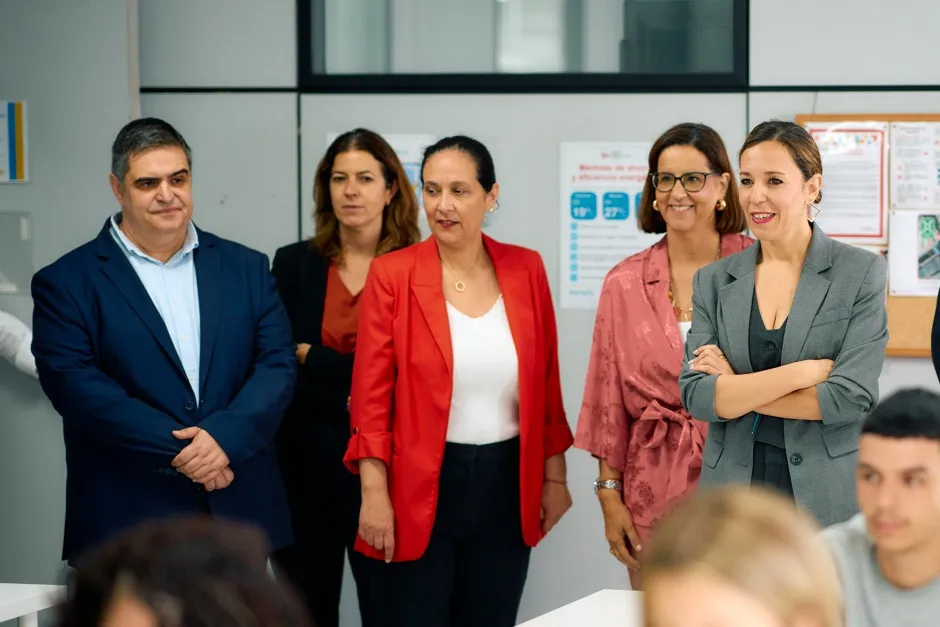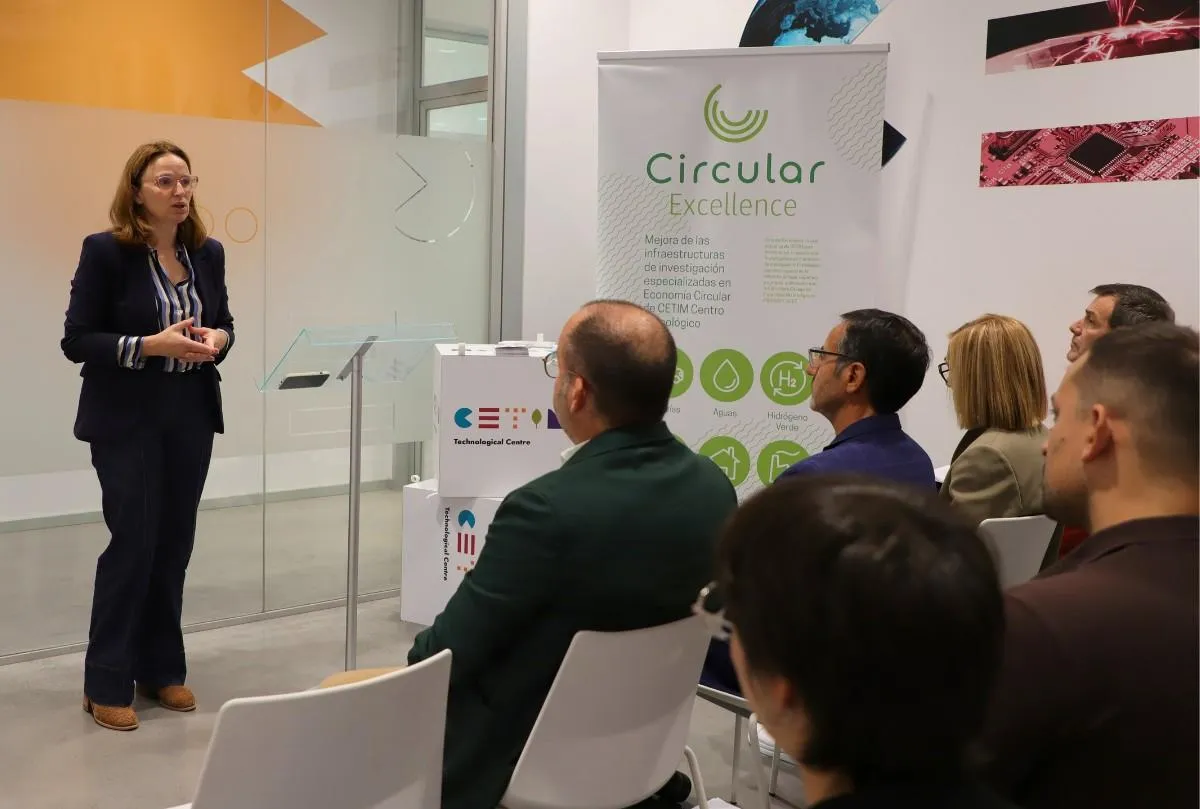

The conference “Energy Transition and Circular Economy: Necessary, but Possible?” featured experts such as Teresa Rasero Guerrero, Vicente Cortés Galeano, and David P. Serrano Granados. This initiative marks the first activity of the chair, a result of the collaboration between the Community of Madrid and the Complutense University, co-directed by professors from the Faculties of Chemistry and Economic and Business Sciences.
Jorge Gómez, Vice-Rector for Technology and Sustainability, highlighted the multidisciplinary approach required for circular economy. Meanwhile, Jesús Vallés, Deputy Director General of Coordination and Circular Economy for the Community of Madrid's Directorate General of Energy Transition and Circular Economy, stated that the chair aims to be a space for debate and collaboration between the university, the regional administration, science, and business to aid decision-making.
Vallés recalled the existing regulatory framework, both at the European and regional levels, including the Community of Madrid's circular economy law from 2024. The chair's co-director, Ángeles Blanco Suárez (Faculty of Chemistry), emphasized the need to advance decarbonization by 2050, in line with European directives, which will foster new business models and a competitive industrial fabric.
Teresa Rasero Guerrero, president of the Spanish Chemical Industry Business Federation (FEIQUE) and president of Air Liquide in Spain and Portugal, underscored the role of chemistry in the energy transition. The chemical industry accounts for 4% of Spain's GDP and generates over 226,000 permanent jobs. Rasero Guerrero stated that sustainable mobility requires a comprehensive system transformation, not just technology replacement, and that “there can be no sustainable mobility without chemistry”.
The dean of the Faculty of Chemical Sciences, Mayte Villlaba, described the energy transition as one of the major challenges of our time, highlighting the selection of prominent figures from the business and research sectors. Alongside Rasero Guerrero, participants included Vicente Cortés Galeano (co-founder and honorary president of INERCO) and David P. Serrano Granados (director of the IMDEA Energy Institute).
Carlos Rivero, dean of Economic and Business Sciences, agreed on the importance of addressing the energy transition from a broad perspective. The chair will enable the transfer of “useful, rigorous, and scientific knowledge” to society and businesses.
Vice-Rector Jorge Gómez announced that the chair will launch awards for final degree and master's theses contributing to the circular economy, focusing on resource optimization, waste reduction, recycling, reuse, and sustainability.