
The third Long Shutdown (LS3) of the LHC, which began on June 29, 2026, is transforming the accelerator and its experiments for the upcoming HL-LHC. This new machine, operational in 2030, will allow for up to ten times more data than originally designed, pushing the boundaries of fundamental physics.
The CMS detectors are being upgraded to handle unprecedented conditions of radiation, collision superposition ("pile-up"), and data rates. The CIEMAT group is responsible for updating the drift chambers of the muon system. The 250 DT chambers, crucial for identifying muons and measuring their trajectories in real-time, will remain highly efficient, but their "on-detector" electronics require complete renewal.
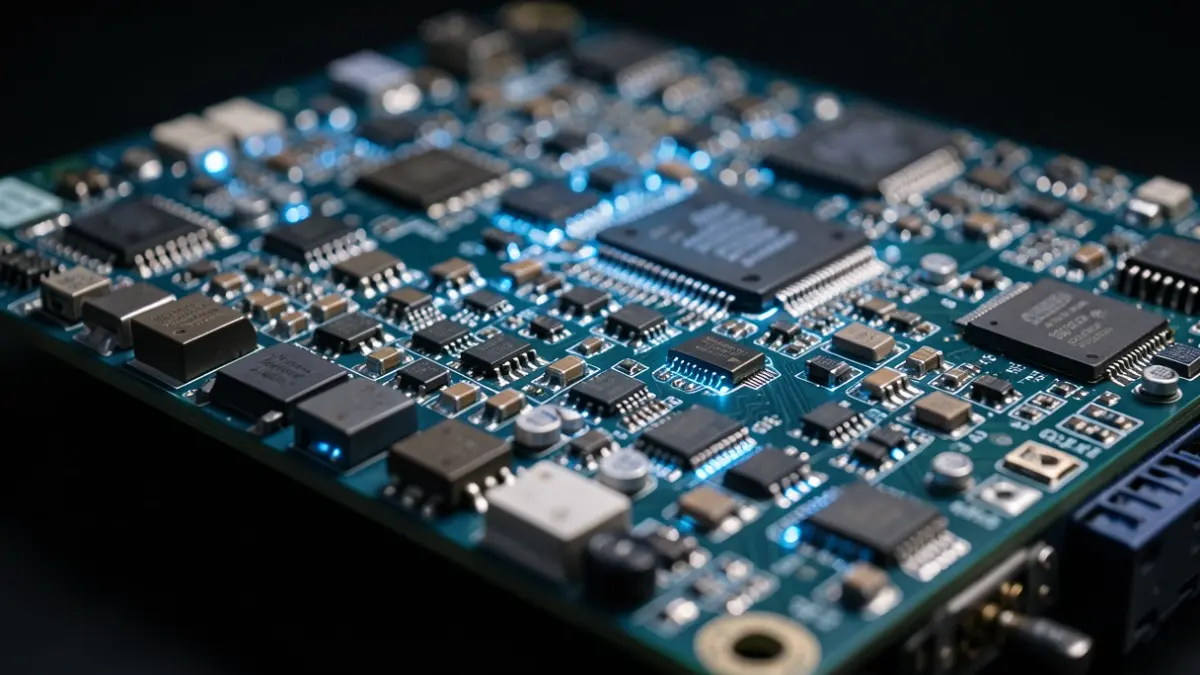
A new generation of electronics, designed and manufactured at CIEMAT, is housed in Minicrate structures. The core of these is the OBDT card, which digitizes signals with temporal resolution below one nanosecond and transmits them via fiber optics. Unlike the current system that filtered information within the detector, the new system can provide all chamber data, enabling muon track reconstruction with precision close to current "offline" analysis.
The CIEMAT team designed the OBDT-theta card and much of the mechanics and cabling for the Minicrates. A quarter of these have been assembled and quality-controlled at CIEMAT before being sent to CERN, where they are participating in validation tests in building 904.
The team has traveled to the CMS experimental cavern in Cessy (France), 100 meters underground, to replace electronics in the chambers within the five wheels of the CMS barrel, which is 15 meters in diameter. Removing old electronics and installing new ones are complex tasks due to access difficulties and the extensive cabling involved.
During the technical shutdown, specific test systems have been designed to check the new electronics with minimal reliance on central experiment services. Studying the noise of the complete system in its final configuration presents an added challenge. Between August 17 and November 6, 2026, the CIEMAT team installed 64 Minicrates in the outer wheels of the detector, beginning an installation phase that will extend over the next two years.
In January 2027, installation will begin in the central wheel of CMS, a more demanding phase where each Minicrate must be validated in the same week of installation due to subsequent inaccessibility.
This upgrade marks the next chapter in CIEMAT's long-standing commitment to the CMS experiment, which began with the fabrication of the original 250 Minicrates in the mid-2000s. Spain covers 26% of the main cost for the DT chamber upgrade for the HL-LHC, with the CIEMAT group coordinating this system upgrade within the CMS collaboration.