
The entry into force of the new Immigration Regulations, approved by Royal Decree 1155/2024, brought significant changes regarding residency, arraigo (roots), relatives of Spanish citizens, studies, and access to the labor market. Furthermore, during 2026, various regulatory modifications have updated certain immigration requirements and procedures. In this context, having the advice of an immigration lawyer in Madrid is particularly recommended before starting any procedure.
Each situation requires analyzing the most suitable residency or regularization pathway in Spain, verifying compliance with requirements, and correctly preparing the necessary documentation to avoid errors or delays in the process.
What does it mean to get 'papers' in Spain?
The expression "getting the papers" or "regularizing in Spain" is commonly used to refer to the process by which a foreign national in Spain obtains authorization that allows them to legally reside in the country.However, there is no single regularization pathway.
Spanish legislation provides for different residence and stay authorizations depending on circumstances such as:
The length of time the person has been in Spain.
Their family ties.
Their employment situation.
Their studies or training.
The existence of a job offer.
The existence of Spanish relatives.
Their financial resources.
Their previous administrative status.
Their exceptional circumstances.
For this reason, two individuals in seemingly similar situations may have completely different legal pathways to obtain legal residency in Spain.
Having the advice of an immigration lawyer in Spain allows for the analysis of each applicant's personal circumstances, identification of the most suitable authorization, and understanding of the necessary requirements and documentation before initiating the procedure.
If you are looking for how to regularize your situation in Spain, obtain residency, or understand your immigration options, it is advisable to conduct an individualized legal analysis before submitting any application.
Arraigo: One of the Main Pathways to Regularize Status
One of the most well-known pathways to obtain a residency permit from within Spain is through arraigo.
The Immigration Regulations currently provide for different types:Socio-Formative Arraigo.Family Arraigo. Generally, the various forms of arraigo—with specific provisions for each—require proof of a certain continuous stay in Spain, in addition to meeting the specific requirements established by the regulations.
Therefore, it is not enough to demonstrate that you have been living in Spain for a certain period. It is necessary to verify which type may be applicable and if all its requirements are met.
Second Chance Arraigo
The Second Chance Arraigo is designed, among other scenarios, for foreign nationals who were previously holders of a residency permit and subsequently could not renew it due to certain circumstances.
This type can be particularly relevant for those who previously had a regular administrative status in Spain, but later lost their permit.
Therefore, before ruling out a potential regularization, it is crucial to review the individual's administrative history and the circumstances under which their previous permit expired.
Socio-Labor Arraigo
The Socio-Labor Arraigo is linked to the existence of an employment relationship that allows compliance with the conditions set by immigration regulations.
This pathway can be particularly relevant for individuals who have resided in Spain for the required period and have a realistic prospect of entering the labor market.
In these cases, it will be necessary to analyze both the applicant's situation and the characteristics of the employment relationship, as well as the documentation that the employer can provide.
Social Arraigo
The Social Arraigo may be applicable when certain legally provided family, economic, and social circumstances are met.
Among other scenarios, the existence of family ties with foreign residents in Spain and meeting the corresponding financial requirements can be significant. There are also situations where it may be necessary to prove integration efforts through the relevant report. Therefore, simply proving the length of stay in Spain is not enough. It is necessary to study the applicant's family, economic, and social circumstances to determine if this pathway is truly suitable.
Socio-Formative Arraigo
The Socio-Formative Arraigo is another modality provided for by the regulations and is related to certain training activities and the socio-labor integration of the foreign national.
The training must meet the legally established conditions. Therefore, not just any course, study, or training program automatically grants access to this permit.
Before starting the procedure, it is advisable to verify that the chosen training falls within the accepted categories and that the applicant also meets the remaining requirements.
Family Arraigo
The Family Arraigo has a specific regime and is limited to certain family situations provided for by the regulations.
Furthermore, the new Immigration Regulations differentiate this figure from the temporary residence permit for relatives of Spanish citizens, which has its own specific regulation.
This distinction is particularly important because, depending on the family circumstances, an individual may need to pursue one procedure over another.
Residency for Relatives of Spanish Citizens
Another pathway that has gained particular importance is the residency permit for relatives of Spanish citizens.
The new Immigration Regulations establish a specific regime for these relatives, distinct from the traditional Family Arraigo figure.
Depending on the circumstances, this regime may apply to certain spouses, partners, descendants, ascendants, and other relatives who meet the conditions set by the regulations.
One of the most significant features of this permit is that, when granted and as long as the required conditions are maintained, it allows residency and work in Spain, both as an employee and self-employed. Therefore, family ties must be carefully analyzed before deciding which procedure to submit.
Why is it important to choose the correct regularization pathway?
One of the main challenges in immigration matters is attempting to resolve an administrative situation through a procedure that, while seemingly applicable at first glance, may not be the most legally appropriate pathway.
For example, an individual might believe they need to apply for Social Arraigo when, in reality, they may qualify for a residency permit as a relative of a Spanish citizen.
Similarly, another person might think they absolutely need a job contract to regularize their status when they could have a pathway based on their family circumstances.
The opposite situation can also occur: submitting an application based on family ties without truly meeting all legally established requirements.
Therefore, the first step should always be to conduct an individualized analysis of the applicant's administrative, family, employment, and personal situation.
What documentation is needed to obtain residency in Spain?
The documentation required for an immigration procedure will depend on the type of authorization being sought and the individual circumstances of each foreign national. Therefore, having the advice of an immigration lawyer in Madrid allows for the prior identification of required documents and avoidance of errors that could delay the process.
In many Spanish immigration cases, the following documents may be necessary:
Full and valid passport.
Birth certificate.
Marriage certificate or registered partnership certificate, where applicable.
Criminal record certificate.
Certificate or proof of registration (empadronamiento).
Documentation proving residence in Spain.
Employment contract, if required.
Employer-related documentation.
Financial documentation and proof of livelihood.
Academic or training documentation.
Integration reports, when required.
Documentation proving family ties with Spanish citizens or resident foreigners.
Depending on the procedure—such as arraigo, residency, residency for relatives of Spanish citizens, work permit, or Spanish nationality—the documentary requirements can vary considerably.
The Importance of Specialized Immigration Advice
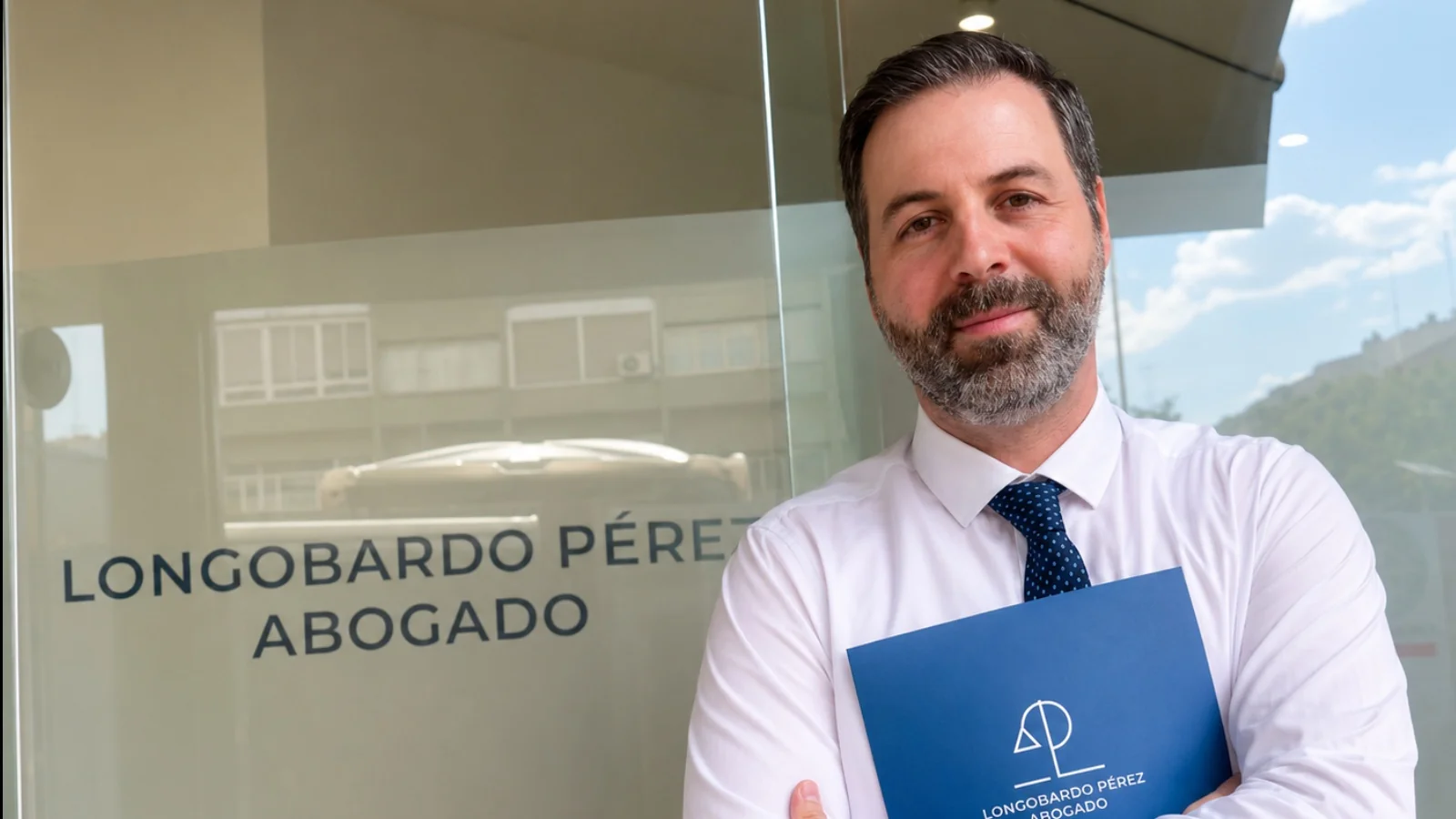
Longobardo Pérez Abogado is an immigration law firm in Madrid specializing in Immigration Law and Spanish Nationality. Its activity focuses on providing specialized legal advice to foreign nationals who need to regularize their status, apply for or renew their residency, and carry out various procedures with the Spanish Administration.
Key areas of practice include:
Arraigo in Spain.Residency and work.
Residency for relatives of Spanish citizens.
Family reunification.
Spanish nationality.
Residency for studies.
Stay for Study.
Residency cards in Spain.
Regularization of foreign nationals.
Immigration appeals.
Specialization in this area of law allows for addressing migratory situations that require a detailed analysis of the regulations and the specific circumstances of each case.
For someone seeking an immigration lawyer in Spain, specialized advice can facilitate the identification of the appropriate administrative pathway and the correct preparation of documentation.
Immigration in Spain in 2026
The immigration regulations in Spain in 2026 offer various residency and regularization possibilities, but each procedure is subject to specific requirements.
Arraigo can be a suitable pathway in certain cases.
In others, a residency permit as a relative of a Spanish citizen, a work or study residency, or another legally provided modality may be more appropriate.
Therefore, the choice of procedure should be made after studying the specific circumstances of each individual.
Longobardo Pérez Abogado, Your Immigration Lawyer in Spain
For foreign nationals needing advice on arraigo, residency, Spanish nationality, work, studies, family reunification, or relatives of Spanish citizens, Longobardo Pérez Abogado offers specialized legal services in Madrid. The firm provides personalized advice to analyze the various available alternatives and guide the client through the relevant immigration procedure.
If you are looking for an immigration lawyer in Madrid to assess your situation, understand your regularization options, and prepare your case, Longobardo Pérez Abogado can offer the specialized legal advice you need.
In immigration matters, knowing the correct pathway before submitting an application can be the first step in protecting your interests and those of your family.