The GRESINT project, selected in the third call of the Interreg Spain-Portugal Programme (POCTEP 2021-2027), brought together four entities: SOGAMA, CITIC at UDC, the Association of Municipalities for Sustainable Waste Management of Grande Porto (LIPOR), and the University of Beira Interior (UBI). The objective was to drive the digital transformation of the waste sector through technologies capable of improving packaging sorting and optimising the management chain phases, from collection to recycling and valorisation.
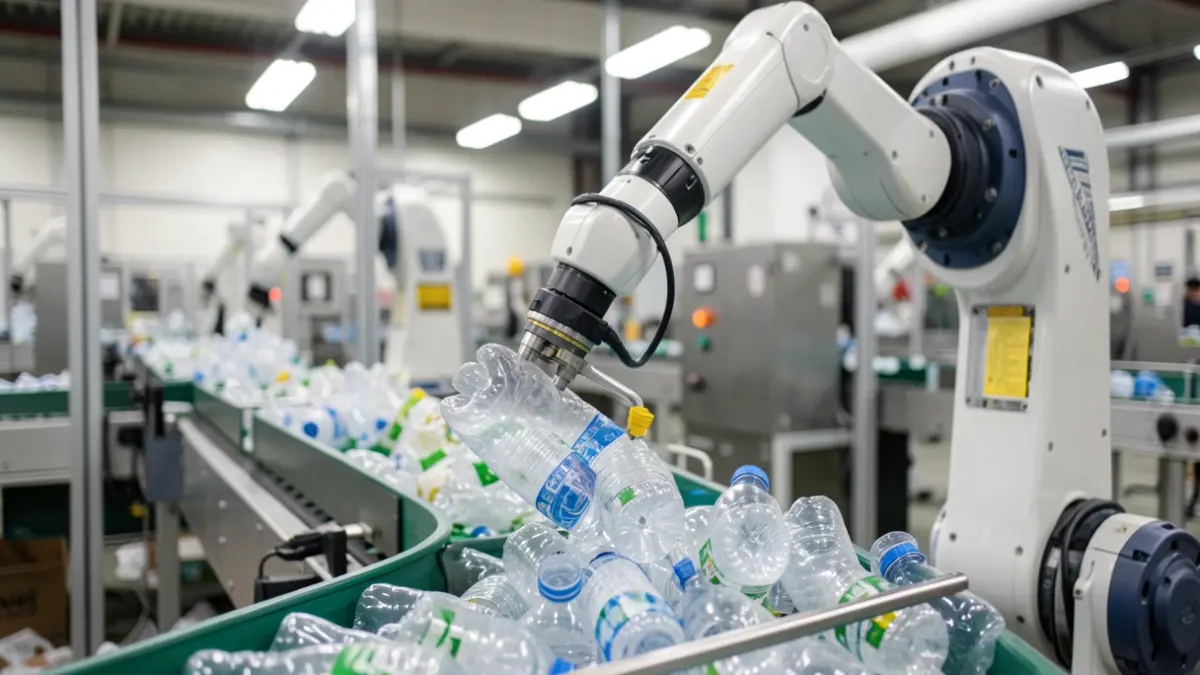
One of the most notable results was the experimentation with technological solutions at the treatment facilities of SOGAMA in Cerceda and LIPOR in Portugal. Among the actions, the installation of a robot in LIPOR's automatic packaging sorting unit stands out, capable of identifying materials using artificial intelligence and separating them by type. These pilot experiences allowed them to verify the potential of new technologies to improve the precision and efficiency of sorting processes.
Additionally, the project addressed the development of a shared data infrastructure based on a Data Lake, designed to manage information generated at the SOGAMA and LIPOR plants. This infrastructure, along with a joint artificial intelligence platform, will facilitate secure access to data and allow for expanded information available to train algorithms and evaluate process performance.
CITIC Director, Manuel Francisco González Penedo, participated on 20 November in Oporto at the closing event of this cross-border cooperation initiative. González Penedo highlighted that GRESINT exemplifies how scientific and technological knowledge developed in the university sector can be transferred to real environments to address specific needs of the productive fabric, and argued that the project's closure should be seen as a starting point for new alliances.