A recent report titled Informe Fènix, coordinated by Xavier Roig and featuring economists like Miquel Puig and Guillem López Casasnovas, has focused attention on Catalonia's economic model. While not an exact portrait of Baix Empordà, many of its described tensions—housing prices, difficulty retaining young talent, low wages in some sectors, poor mobility, and an over-concentrated economy—are common topics of conversation in the region.
The document warns of the risks associated with an economy based on low-productivity sectors and modest wages, questioning its long-term social and territorial sustainability. It emphasizes that economic growth does not always automatically translate into equivalent improvements in well-being, highlighting the capacity to generate added value to support higher salaries and quality public services. This debate is particularly relevant as Catalonia has experienced significant population growth alongside a growing sense that life is becoming increasingly difficult for many families.
Baix Empordà emerges as a mirror to these tensions. The region seems to have understood that the future lies not in indefinite growth in volume, but it still grapples with significant structural weaknesses. The challenge is to define a sustainable economic model for the coming decades, moving beyond the traditional sun-and-beach tourism.
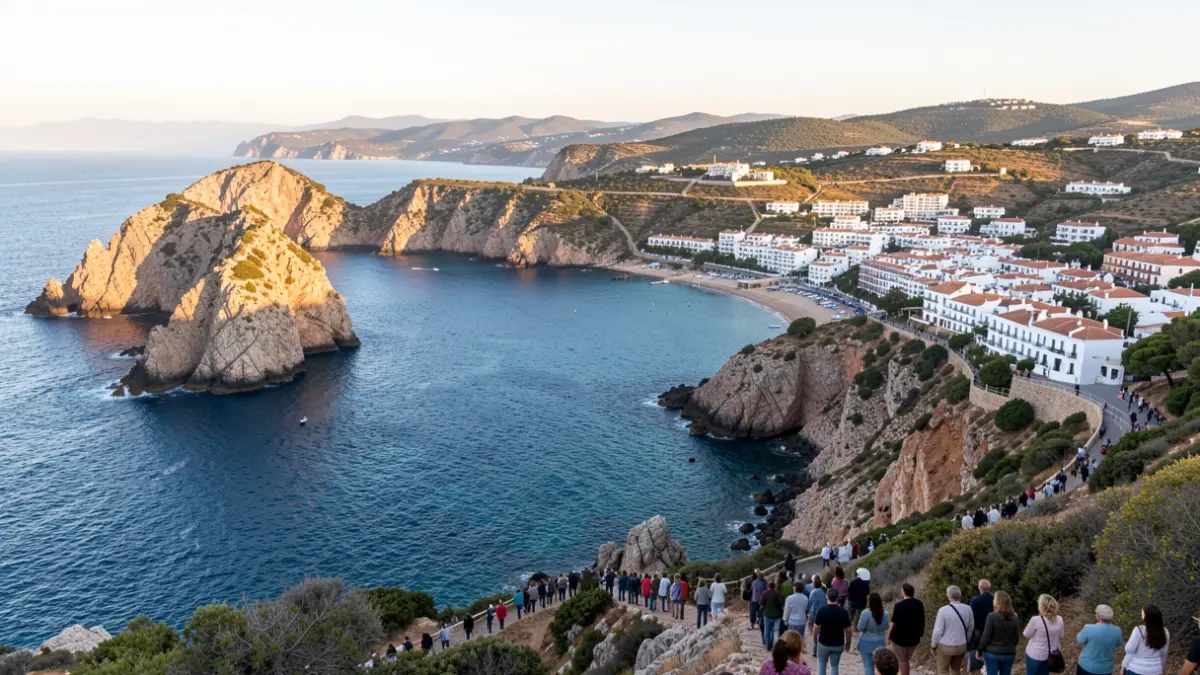
The transformation in Baix Empordà is visible: gastronomy is gaining international projection, cultural festivals are extending the season, cycling tourism is revitalizing the winter months, and unique, year-round hotels are emerging. This approach prioritizes added value, identity, and quality over quantity, aiming to make the region a place where people can live and work throughout the year.
The region's added value also stems from its primary sector. The Gamba de Palamós (Palamós prawn), Arròs de Pals (Pals rice), DO Empordà wines, and local olive oil are key elements connecting the economy, identity, and territory. Gastronomy acts as a driver for maintaining the primary sector and preserving landscapes, contributing to a broader economic debate on value creation.
However, the region's success generates evident tensions, particularly concerning housing. The difficulty in finding affordable residences affects young people, workers, and professionals, pressured by tourism and real estate investment. Furthermore, many sectors suffer from low wages and temporary employment, reflecting the risks of a low-productivity economy, as highlighted by the Informe Fènix.
Mobility is another critical issue. Dependence on private vehicles, insufficient rail connections, and a deficient public transport system limit economic, labor, and social development. Modern mobility is essential for attracting talent, businesses, and competing on quality.
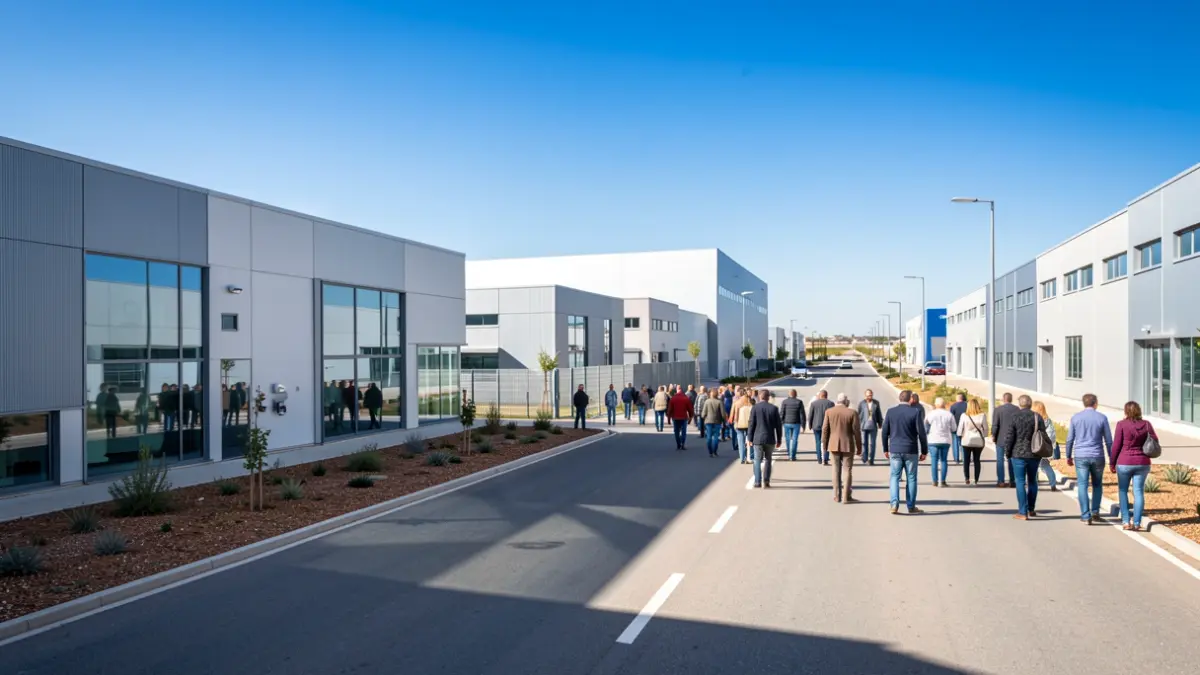
The major challenge for Baix Empordà is to diversify its economy, which is currently heavily reliant on tourism. The lack of industry makes it vulnerable to economic cycles. The region needs to explore sectors such as logistics, technology, advanced services, and innovation to generate more added value and stable opportunities.
Attracting investment is important, but generating indigenous businesses is even more crucial. Companies like Kave Home and Tradeinn demonstrate the capacity to create international ventures from the Girona area. Retaining talent also involves fostering local entrepreneurship.
The Informe Fènix compels essential questions about the future. Baix Empordà has made progress in refining its offerings and building a strong territorial brand, but the transformation will remain incomplete without affordable housing, modern infrastructure, efficient mobility, talent retention, and a more diversified economy with better wages. The real debate is what kind of prosperity the region aims to build for its year-round residents.