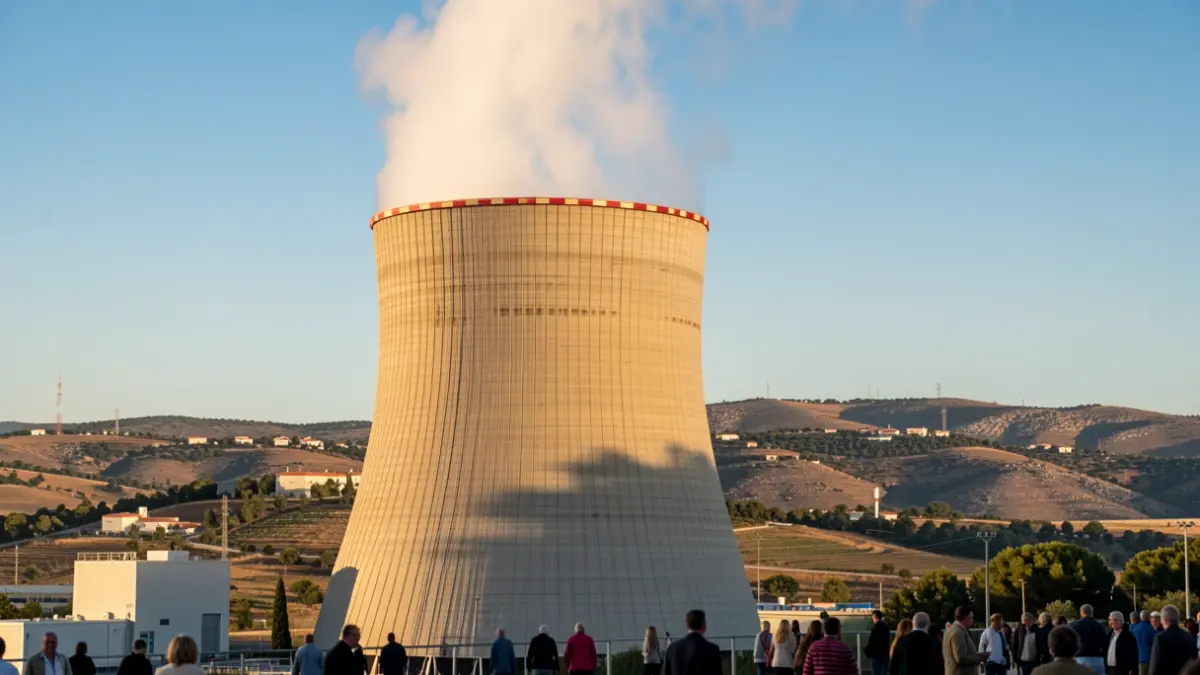
The entity emphasizes that continuous investment and generational change within teams enable Spanish nuclear power plants to remain operational. In this regard, ANAV states that its plants are prepared to continue their activity beyond the planned closure years: Ascó I (2030), Ascó II (2032), and Vandellòs II (2035).
The publication in the Official State Gazette (BOE) of the technical approval from the Nuclear Safety Council (CSN) for the continuity of Almaraz's reactors until 2030 has been met with satisfaction by ANAV, which has extended its recognition to the nuclear professionals involved.
The municipalities of Ascó and Vandellòs i l’Hospitalet de l’Infant have consistently supported the extension of nuclear power plant operational life, arguing that the closure schedule is revisable if safety reports endorse it. They consider the Almaraz decision to be evidence of the technical viability and importance of these facilities.
From an energy perspective, Ascó and Vandellòs generate nearly 60% of Catalonia's electricity. The mayors warn that closure without sufficient alternatives could increase reliance on gas and hinder emission reduction efforts, advocating for the coexistence of nuclear and renewable energy.
The economic impact of the plants is significant, with approximately 3,000 people depending directly or indirectly on them. In Ascó, nuclear taxes account for nearly 90% of the municipal budget. Therefore, the municipalities consider the continuity of these facilities essential if the CSN technically endorses their extension.