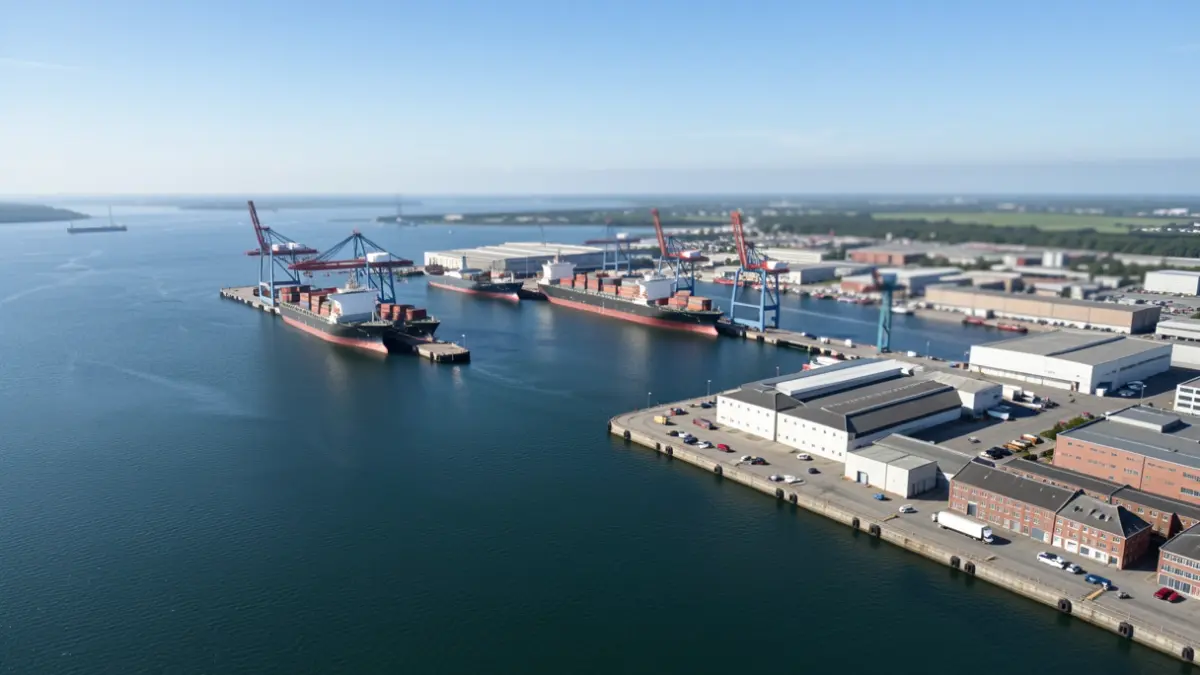
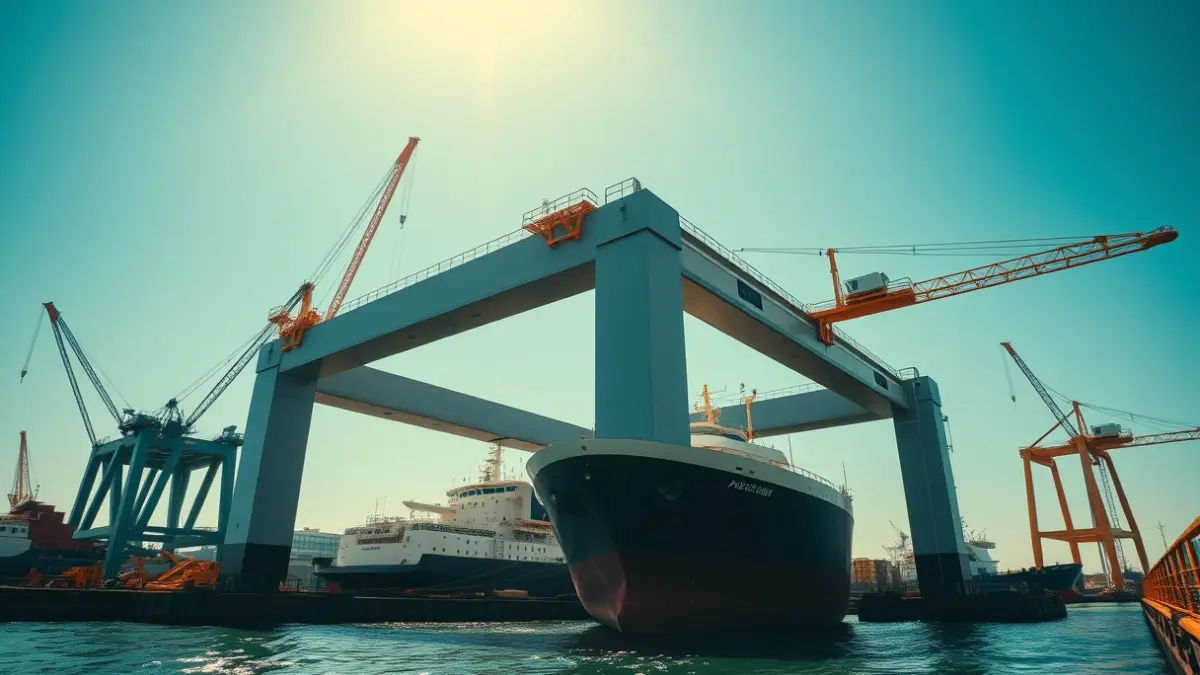
The Hidramar Ultra 22000, an imposing 240-meter-long floating dry dock, has completed its complex journey from China and is now operational in the port of Santa Cruz de Tenerife. This infrastructure, owned by Tenerife Shipyards, is set to revitalize the local economy by creating approximately 700 jobs.
The dry dock's arrival was not without its challenges. The company chose to tow it from China through the Suez Canal, a route that involved passing through piracy-prone areas in Somalia. The situation became even more complicated with the outbreak of war in Iran two weeks after departure, necessitating renegotiation of risk premiums with insurers. To ensure safety, private security was hired, and support was provided by the navy and the European Atalanta operation, resulting in the dry dock arriving at port with only a one-day delay.
“"At a minimum, we are talking about monthly salaries of 3500 euros."
Despite the promising job creation, the company faces a significant obstacle: a lack of qualified personnel. Although most positions will be filled locally, between 10% and 15% of the staff requires specialists who must be brought in from abroad, including professionals from Bulgaria, the Peninsula, and Portugal. The salaries offered are competitive, with a welder potentially earning from 3,500 euros per month, and specialized alloy welders reaching up to 7,000 euros per month.
“"The initiative is facing obstacles and problems."
To address this talent shortage, the company proposed to the Port Authority the creation of a private training center within the shipyard. However, this initiative was denied, citing urban planning regulations that prohibit adult training within the port. The company's management has expressed its incomprehension at this decision, considering that a private initiative seeking to transfer knowledge and benefit society should be supported rather than hindered by regulations that, in their view, should adapt to facilitate local development.