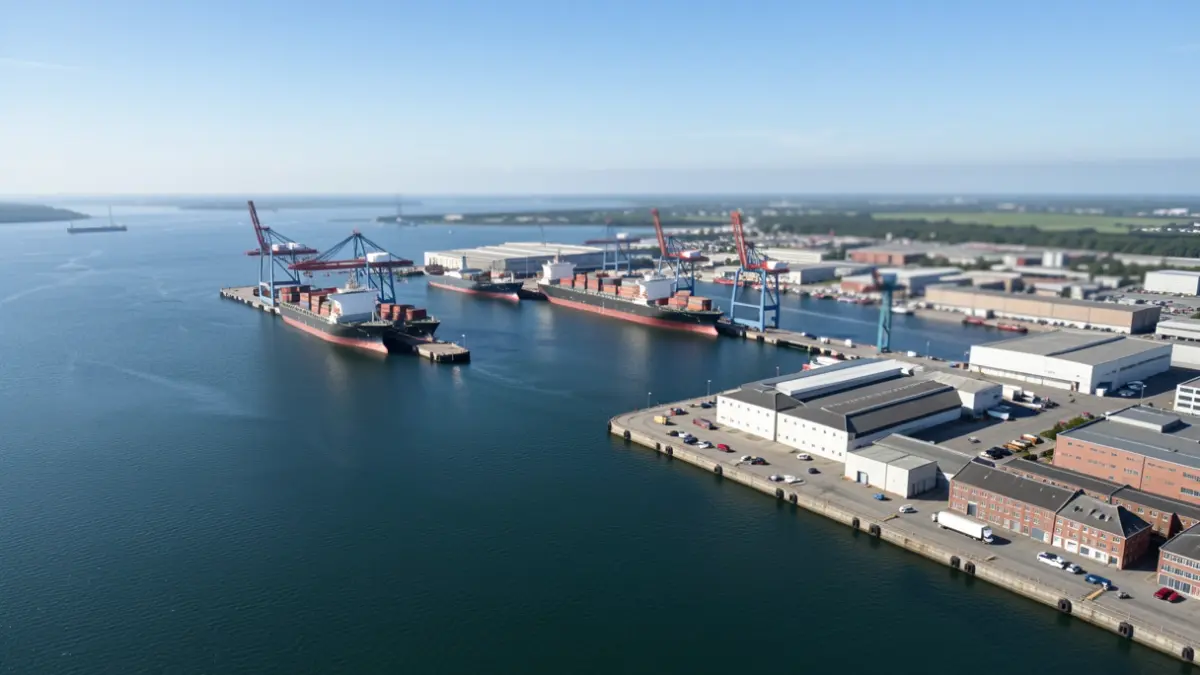
In recent months, a debate has emerged regarding the competition from new port enclaves in the Atlantic, such as the Dajla project. However, the primary concern for the Port of Las Palmas should not be external factors, but rather its own capacity for adaptation and management.
This infrastructure boasts exceptional conditions, including a strategic location and a consolidated track record that attracts major shipowners. The intense activity and high occupancy levels justify new investments for its growth.
“"The port entrepreneur does not ask for speeches, but for conditions: agility, facilities, and an environment that allows projects to be executed effectively."
There is a disconnect between business reality and political management, where public-private collaboration remains more theoretical than practical. At the European level, over-regulation limits competitiveness, making it crucial to effectively defend Canarias' specific interests in Brussels.
The global environment is volatile, with international conflicts and changes in maritime routes that can rapidly alter the balance. While some recent circumstances have temporarily benefited activity, they have also highlighted the loss of traditional traffic, such as fishing, and the fragility of certain increases that could disappear as quickly as they arrived.
European environmental regulations, with pollution taxes lacking effective harmonization with neighboring countries, create an unsustainable situation of unfair competition. Furthermore, the port's governance needs to incorporate more voices from the sector into decision-making bodies to improve the effectiveness of decisions.
The recent controversy over the potential installation of a power-generating vessel in the port reflects deficient planning. Although the port, as a service infrastructure, can hardly refuse in an emergency, the lack of foresight has led to costly and polluting provisional solutions that often become permanent.