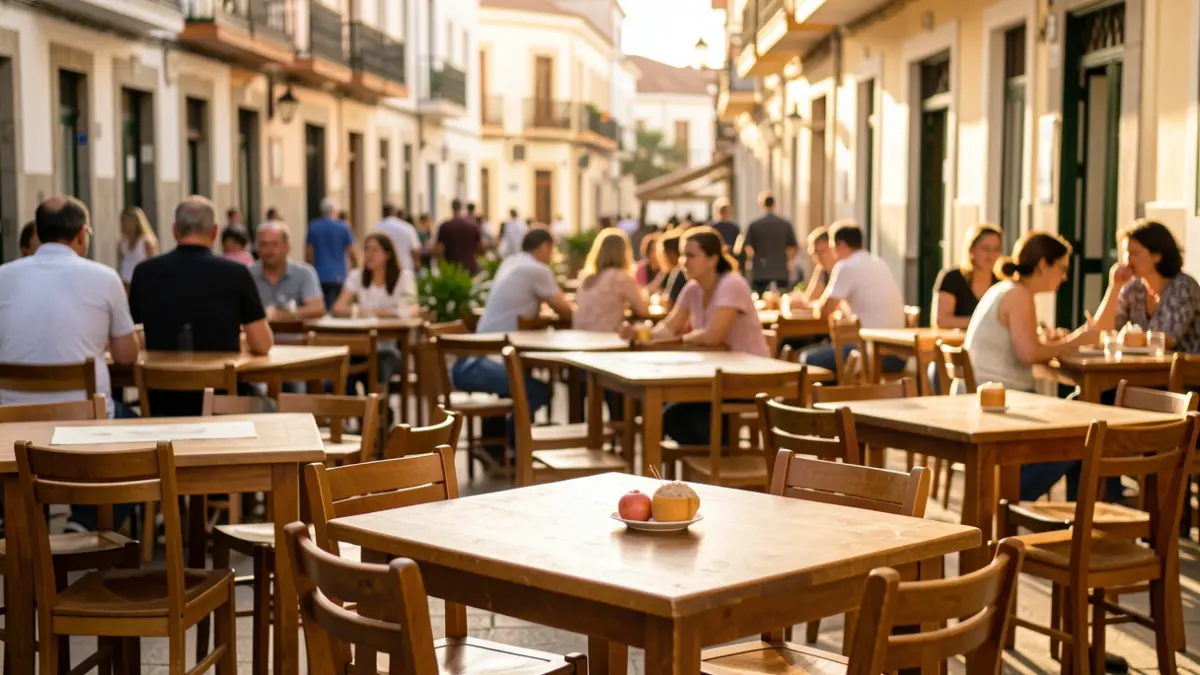

The business fabric of the Canary Islands is composed of 99% SMEs and micro-SMEs, a sector that, according to the president of the national employers' association, faces a scenario full of uncertainty. Despite their relevance, these companies often feel overlooked in public policies, which generates concern in the sector.
“"We constitute 99% of the Spanish business fabric, generate 70% of GDP and 70% of employment. Answering your question, the answer is no. We are the great forgotten ones of public policies and we do not understand the reason, being the backbone of the economy."
The current regulatory environment imposes increasingly demanding fiscal and labor costs, making compliance difficult for small businesses, especially micro-enterprises with fewer than ten employees. Hyper-regulation forces these companies to incur overheads, either by creating administration departments or outsourcing services, which is not always feasible for small businesses like a bar or a workshop.
The increase in labor costs also represents a significant impact. The OECD has indicated that in Spain, labor generates more tax revenue than consumption, placing the country among the top ten OECD countries with the highest labor costs, with approximately 40% going to taxes. This situation discourages hiring and the interest in working.
Another serious problem is absenteeism, which has grown exponentially in recent years, with the Canary Islands standing out in this phenomenon. This cost, which amounted to 33 billion euros in 2025, is the second most important for public coffers after pensions. The management of sick leave and long waiting lists for diagnostic tests contribute to this problem, affecting both businesses and the recovery of workers.
The president also mentioned the increase in sick leave due to mental health issues, especially among those under 35, as a worrying factor. Regarding the reduction of the working week, the employers' association does not oppose the 37.5-hour week, but it does oppose it being a government imposition rather than a consensus in collective bargaining, highlighting the Canary Islands' social dialogue model as an example to follow.
Despite having overcome the pandemic, the number of operational micro-enterprises in Spain is 25,000 fewer than before the health crisis. A study by the Bank of Spain reveals that approximately one third of SMEs reported losses last year, indicating that these companies no longer have much capacity to absorb new cost increases, especially micro-enterprises, which play a crucial role in territorial cohesion.