The hospitality sector in Spain exhibits signs of greater stability, with bars and cafes adapting to changing consumer habits without forsaking tradition. Factors such as tourism, employment, and climate are driving sector growth, which in turn is experiencing an evolution in consumption patterns.
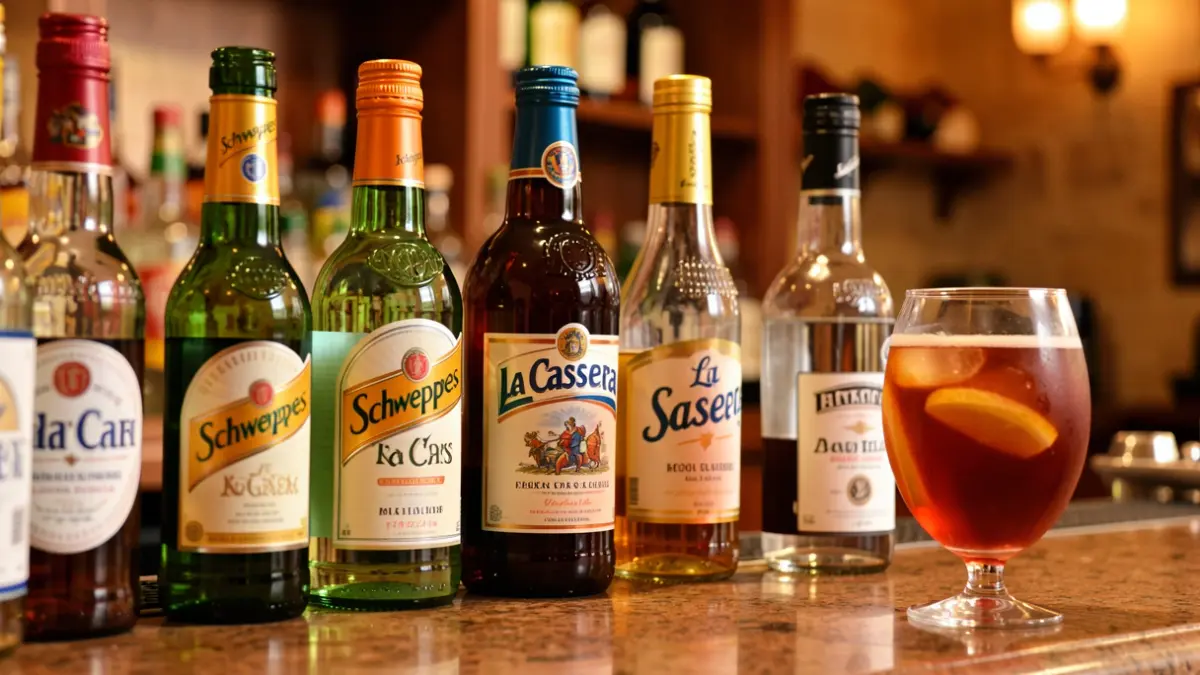
Brands are adapting to new trends, integrating them into the bar experience. A clear example is 'tinto de verano' (summer red wine), a category that has seen growth of nearly 60% in the last four years. Innovation in this channel focuses on reinterpreting the existing, maintaining the classic essence.
Traditional cuisine is making a strong comeback, albeit with different consumption moments and pairings. Chefs highlight the growing popularity of 'tinto de verano', adapting to all consumer profiles and times of day.
“"extension of consumption moments with longer appetizers, 'tardeo', and a boost to mixology"
Brands like Schweppes® and La Casera® are keeping pace with the times, responding to the extension of consumption moments, with longer appetizers, 'tardeo' (afternoon drinks), and a boost to mixology. The hospitality industry, which contributes 6.7% to the national GDP, is in a phase of optimization, merging tradition and new trends in Spanish bars.