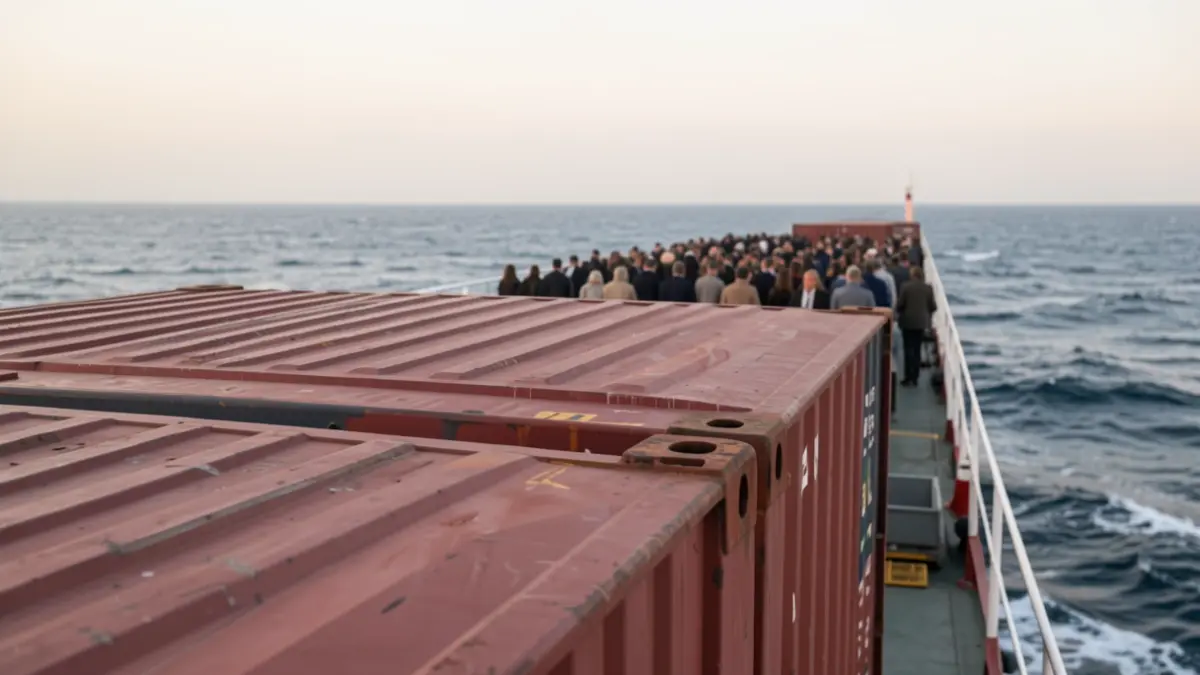
The rise in logistics prices across the archipelago is a direct consequence of geopolitical instability in the Middle East, which began in late February. This conflict has led to a surge in international oil and gas prices, impacting the islands more severely due to their heavy reliance on maritime and air transport for essential supplies.
According to data released by the National Statistics Institute (INE), the archipelago leads the increase in transport costs among all autonomous communities. While the national average stood at 0.9% for the month, the impact in the Canary Islands was significantly higher, continuing an upward trend observed since the beginning of the year.
In the cumulative balance for the first four months of 2026, the transport sector in the islands recorded a 6.5% increase, reaching 7.7% in year-on-year terms. These indicators exceed national averages, highlighting the vulnerability of the island economy to fluctuations in global energy markets.
Despite this specific increase in transport, the general Consumer Price Index (CPI) for the Canary Islands stood at 3% annually in April. This figure remains slightly below the national average, which reached 3.2% in the same period, showing a divergence between the cost of logistics services and general inflation.