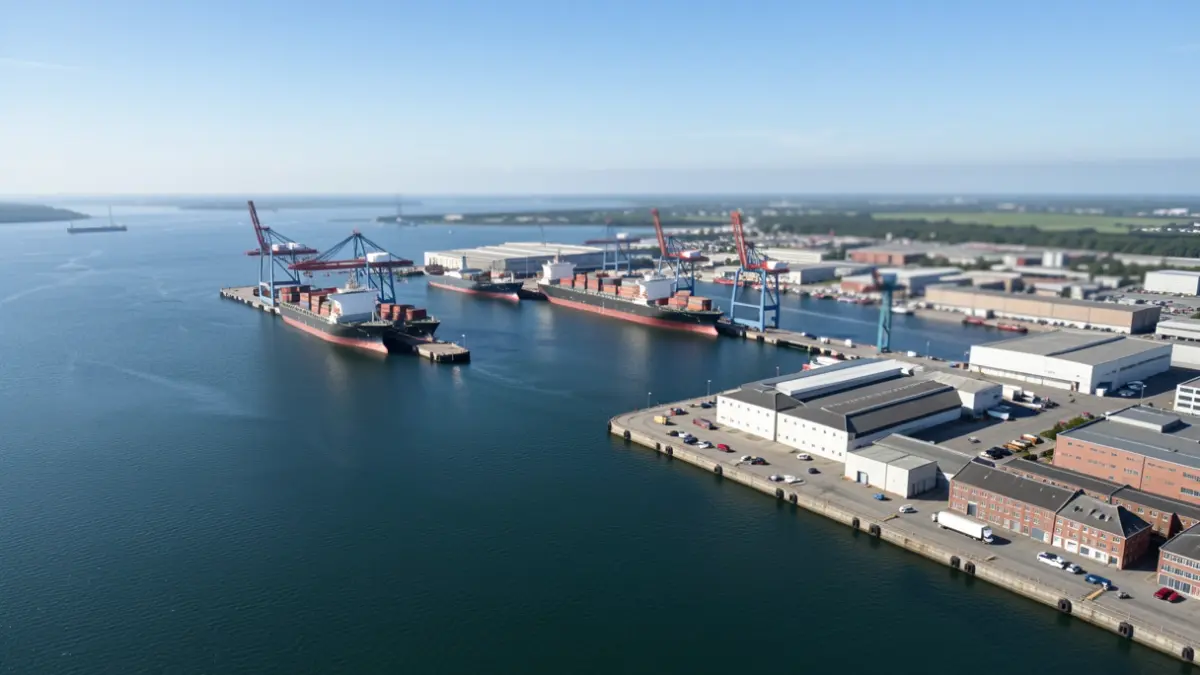

This situation has led companies like Tenerife Shipyards to seek talent from outside the archipelago to fill specialized positions. It is estimated that between 10% and 15% of the personnel required to operate the new infrastructure, which will be operational in June, will need to be imported from other European regions.
“"We have to provide the market with what employers are asking for. The objective is clear: to provide them with Canarian talent that we can retain and that improves the quality of life for Canarians."
To address this shortage, the Federation of Metal and New Technologies Entrepreneurs of Santa Cruz de Tenerife (FEMETE) has implemented training programs. Initiatives such as Impulso Azul, funded by the Cabildo with Fedecan funds, offer scholarship-supported courses with 30% dual training in companies. Specializations include naval hydraulics, naval electricity and electronics, and fire suppression systems, taught at the Port Authority's facilities.
The employment rate for participants in these programs is almost total, underscoring the high demand for these skills. Given this success, plans are underway to create a future naval and industrial training center in the port of Santa Cruz, with the support of the Government of the Canary Islands, the Cabildo, the Santa Cruz City Council, and the Port Authority itself.
The naval sector, or blue economy, is considered a pillar of growth for the Canary Islands, with the potential to generate thousands of jobs, especially with the development of offshore wind energy. It is highlighted that technical professions such as welder or electrician are difficult to replace by artificial intelligence, ensuring their future relevance and good remuneration.
Furthermore, the sector is experiencing greater female inclusion, with 20% to 30% of women in training programs, who often demonstrate exceptional performance. Efforts are being made to change the perception of these professions, showing that modern workshops are equipped with advanced technology and do not correspond to traditional images.