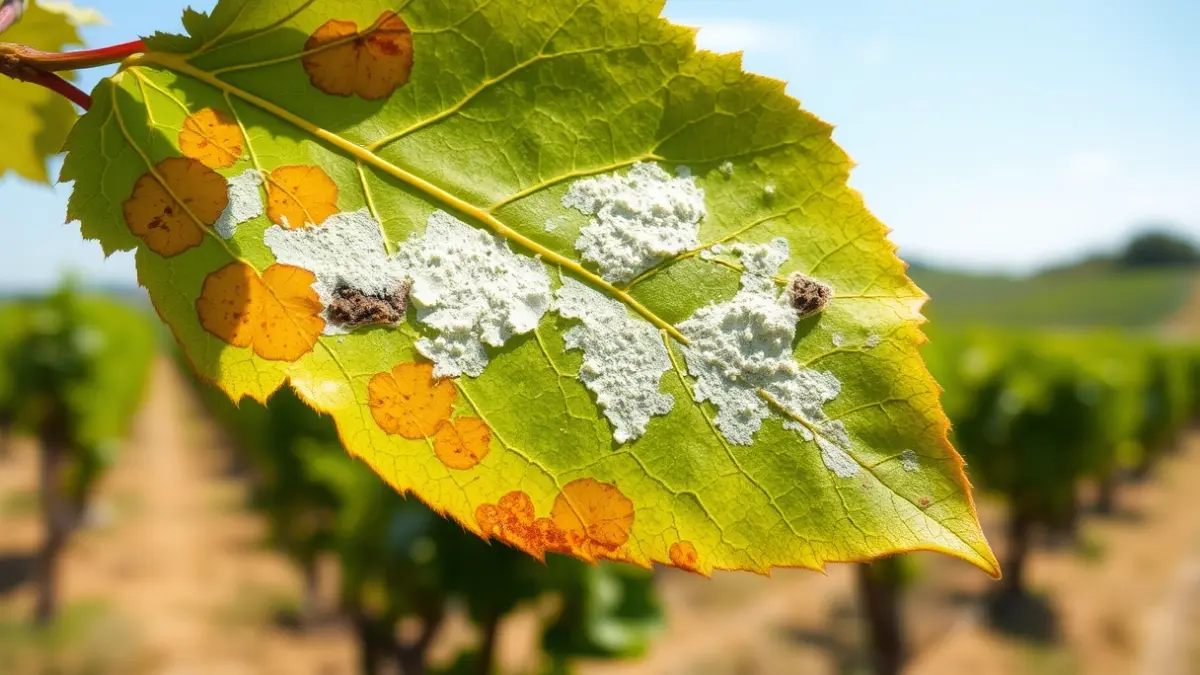
The initial alerts regarding the presence of this fungus were recorded on Thursday, April 23, followed by more notifications over the weekend. After samples were collected by Plant Health technicians and analyzed in humidity chambers, the presence of mildew has been confirmed in several of them.
Positive samples originated from the hills of Sierra de Montilla, while others collected in the municipalities of Montilla and La Rambla are awaiting confirmation. Experts have urged winegrowers to report any detection of the fungus in their plots.
According to reports from the Viticulture Classroom, rainfall on April 8, which reached up to 55 liters per square meter in some areas, led to the primary infection. Subsequently, rains on April 25, with between 14 and 25 liters, further infected unprotected shoots and clusters. New spots from this secondary infection are expected to be visible around May 4, prompting the Regulatory Council to recommend systemic treatments to prevent a plague similar to last year's.
Mildew is a fungal disease caused by the fungus Plasmopara viticola, characterized by oily spots on leaves, a white downy growth on the underside, and can lead to premature leaf drop, cluster deformation, and berry loss. Its control requires preventive measures and specific treatments, especially in spring.
To optimize treatment effectiveness and reduce their number, researchers use mathematical models such as the EPI (Potential Infection State). Thanks to the collaboration of the School of Agricultural and Forestry Engineering (Etsiam) at the University of Córdoba, a model has been implemented to analyze meteorological conditions from October to March to predict the fungus's aggressiveness at the beginning of the vine cycle.