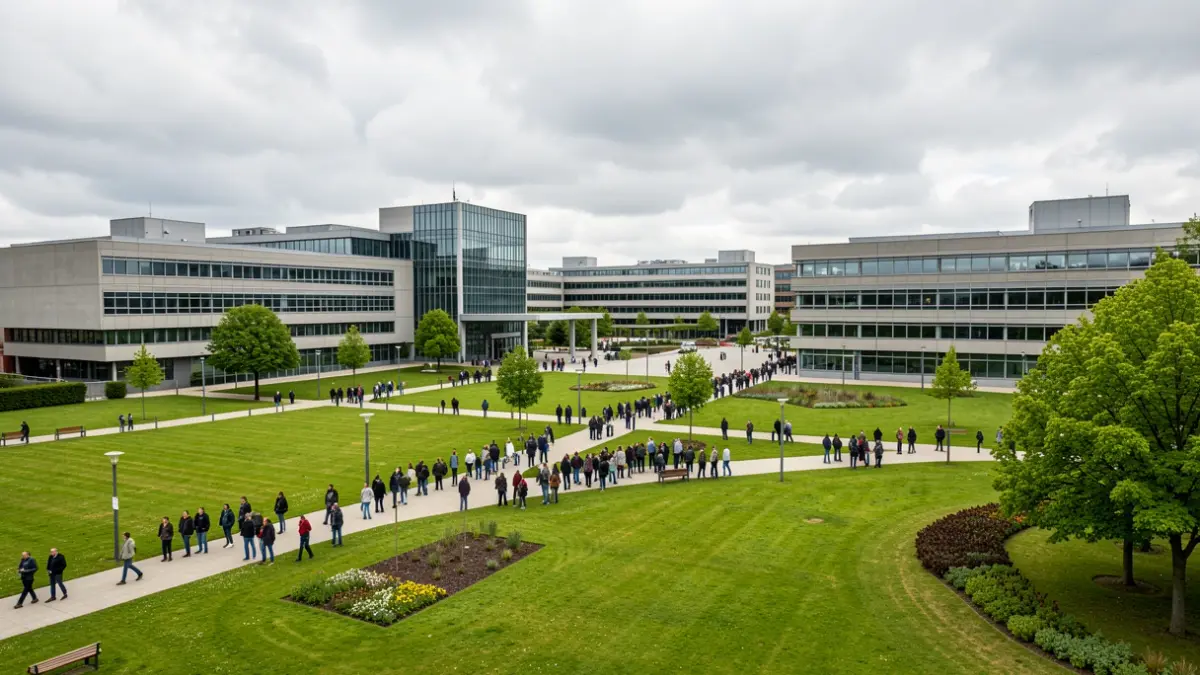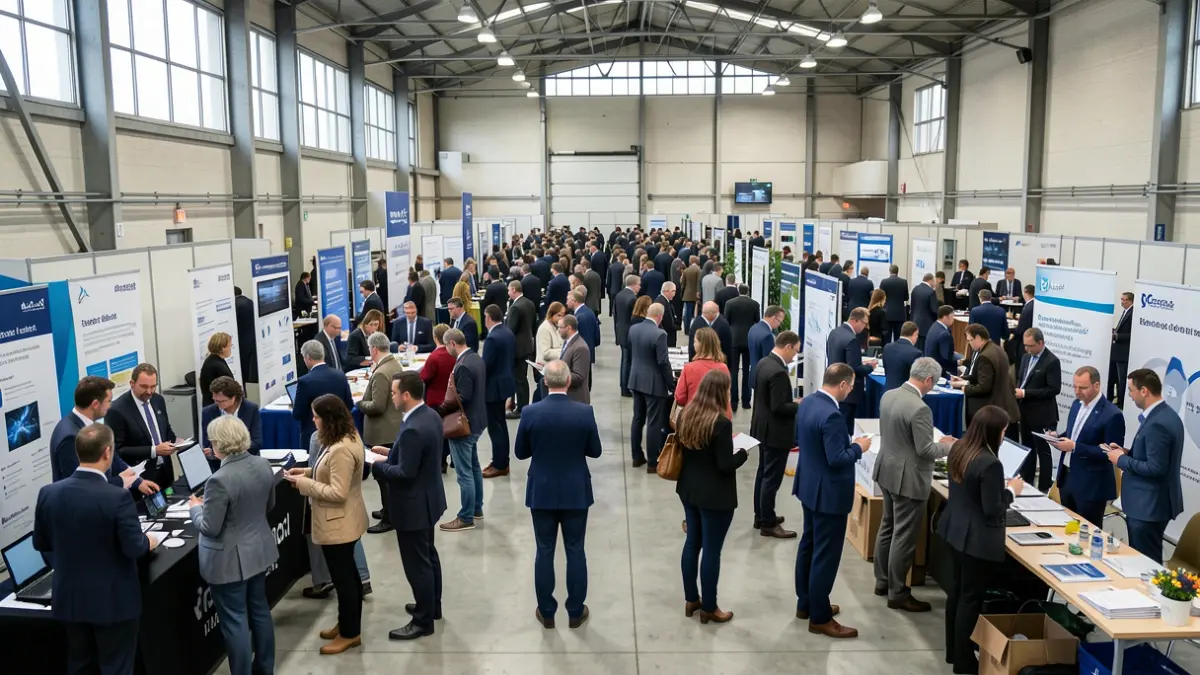

The INDUDEF Congress: Industry, Talent, and Defense has begun its second day at the Exhibition, Fair, and Convention Center of Cordoba, with an address by the President of the Provincial Council, Salvador Fuentes. Fuentes underscored the importance of this forum and the choice of Cordoba as host, highlighting the consensual work to turn the arrival of BLET into an opportunity for future development.
The provincial president emphasized the connection between training, business, and research in the logistics sector, coordinated with economic and social agents. He pointed to the province's potential in auxiliary industry, research, innovation, and biomedicine, noting that defense encompasses multiple industrial and research activities applicable to the territory.
Fuentes explained the concept of 'dual economy,' adapting production processes so that Cordoban companies can quickly integrate into the European defense dynamic, generating employment and fostering innovation. He indicated that 47 companies in the province are ready to participate in defense sector tenders, an increasingly relevant field.
Furthermore, 42 knowledge entities from the University of Cordoba, both public and private, were identified, whose research groups are developing methods applicable to defense procedures. The Provincial Council has also focused on vocational training, crucial for 70% of companies needing qualified personnel.
The congress also addressed the importance of Vocational Training and higher education degrees, alongside the University and research, to adapt production processes to sector demands. Fuentes stated that the province is prepared, with 47 companies distributed across 11 development axes, to meet Europe's defense needs.
In the area of Vocational Training and Virtual Reality Simulation, the IES Luis de Góngora presented proposals with 3D glasses to simulate warehouse operations and vocational training in Transport and Logistics. IES Tablero also uses 3D technology for simulating warehouse environments.
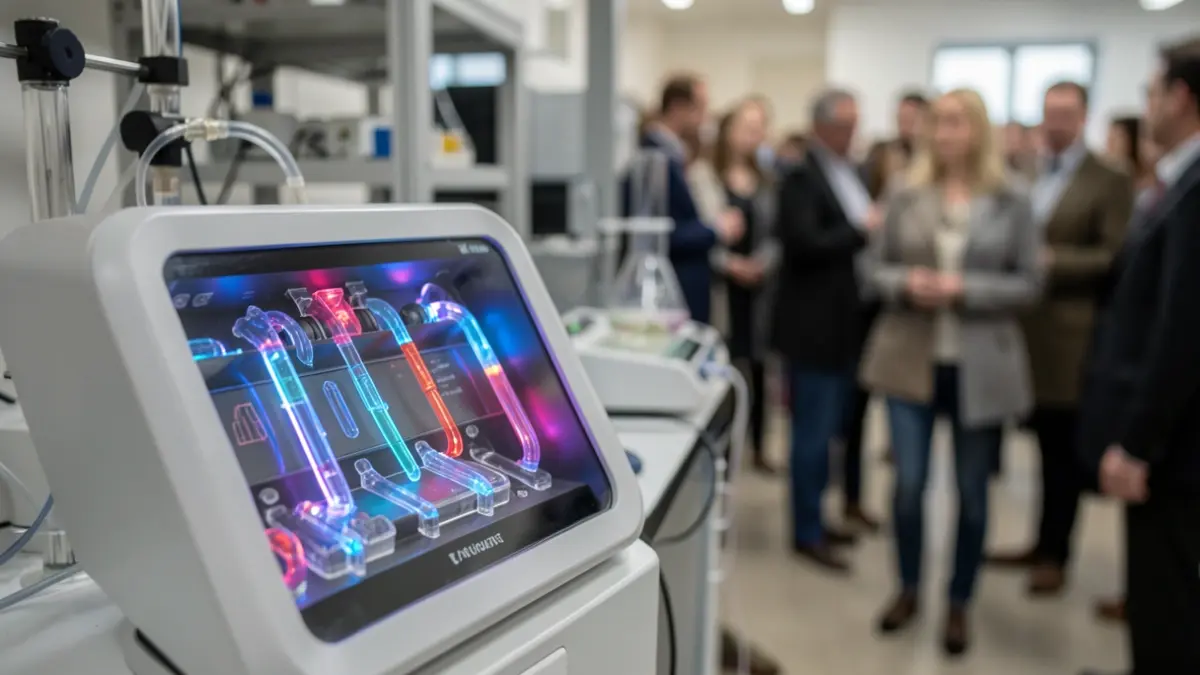
In the field of Emergencies, Drones, and Agricultural Robotics, IES Galileo Galilei presented its development lines for supporting intervention teams and agricultural mechanization. Companies such as GENAC (Grupo Keater) from Lucena showcased technology for generating atmospheric water with international presence, and Flamingo, a biomedicine startup, presented its 3D modeling technology for medical pathologies.