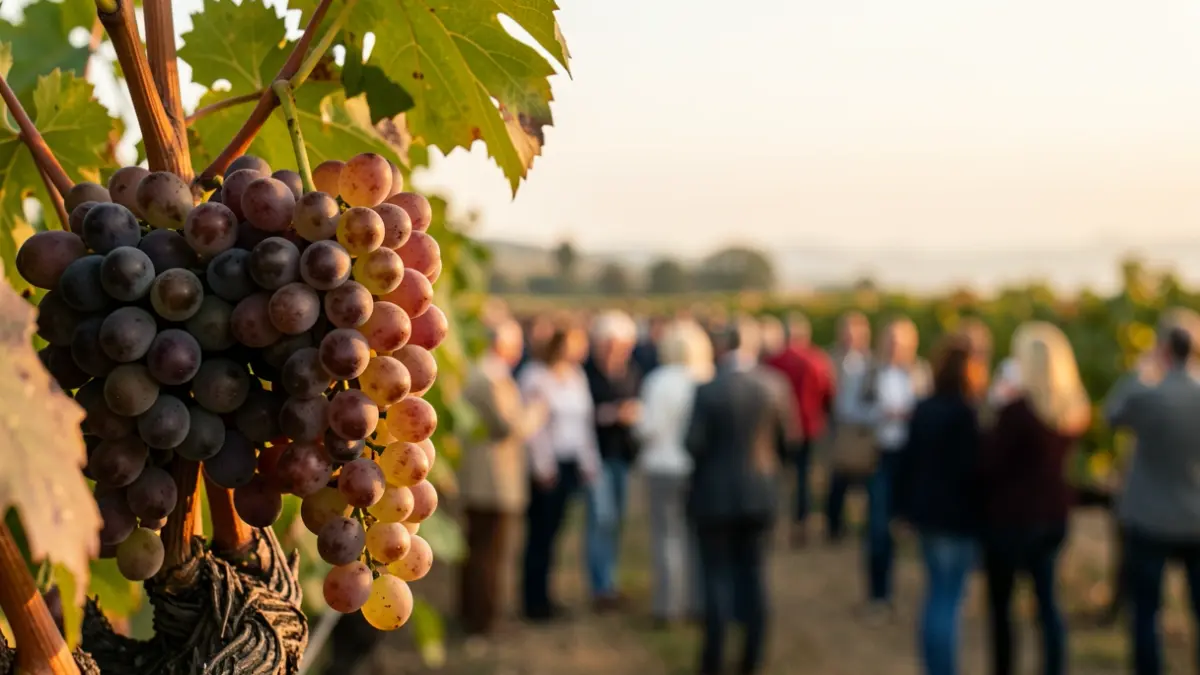
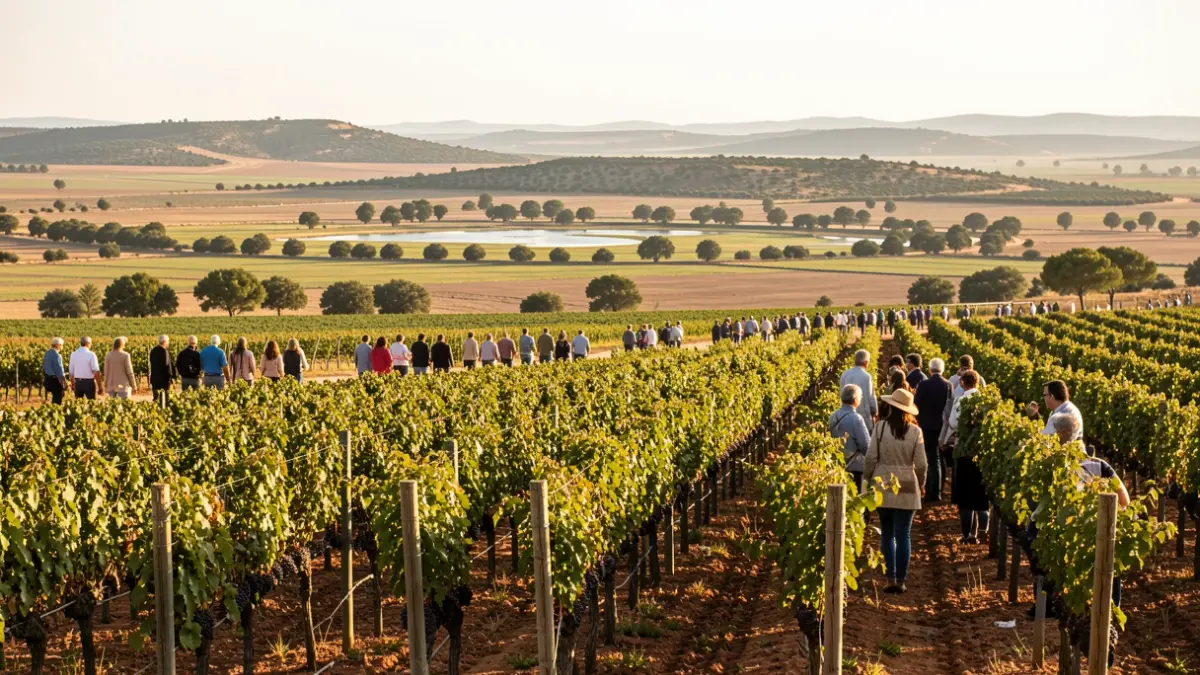
The Netzero Doñana project is conducting fieldwork in the Doñana area, this week highlighting a visit to Bodegas Ramiro Ibáñez. The winery, situated in Bajo de Guía (Sanlúcar de Barrameda), offers a privileged view of the natural park. Its owner, Ramiro Ibáñez, is dedicated to reviving the best of traditional viticulture and enology, merging it with current knowledge to create signature wines with a strong personality.
Ramiro Ibáñez emphasizes the importance of the winemaking process, both in the vineyard and the cellar, to ensure the final product's excellence. "The wine industry must value old vineyards and their relationship with the corresponding terroir. But always taking into account the winemaking process," he assures. The winery produces between 15,000 and 20,000 bottles annually, divided into three categories: biological (UBE), oxidative (Agostado), and sweet (Pandorga).
The wine sector has a significant presence in Netzero-Doñana's diagnostics, with the participation of companies such as Bodegas Barón and Bodegas Hidalgo- la gitana SA. Netzero_Doñana conducts regional diagnostics in the three Doñana territories to identify barriers, technological capabilities, and decarbonization and sustainability projects in key sectors like agri-food, tourism, and public services.
The wine sector has made significant progress in energy efficiency, reducing its carbon footprint, and water and energy consumption. Furthermore, the vast majority of wineries have waste reduction plans, implement active measures for soil and biodiversity conservation, and use more sustainable viticulture practices, reinforcing the link between environmental sustainability and territorial care.
LEADER programs and Rural Development Groups have played a fundamental role in modernizing wineries, professionalizing the sector, and improving the competitiveness of local producers. These groups have not only provided funding but have accompanied the sector in a continuous transformation process that generates employment, wealth, and new opportunities in rural areas.
This project involves the participation of the University of Cadiz, CLANER, and Considera, along with the three Rural Development Groups of Doñana: Aljarafe-Doñana, Campiña de Jerez, and Costa Noroeste de Cádiz y Condado de Huelva (ADERCON). It is a project funded by the industry line of CDTI Innovación from the Ministry of Science and Innovation and the Doñana Action Framework from the Ministry for Ecological Transition and the Demographic Challenge.